The UK’s industrial future suffered a significant setback on Tuesday as Tata Steel announced an indefinite delay to its £1.25bn electric arc furnace project in Port Talbot. The cause: an electrical fault in the substation that powers the plant’s critical infrastructure. This is not merely a technical glitch. It is a stark reminder that the hardware layer of our economy—the physical grids, substations, and cables—cannot keep pace with our ambitious software-like transitions to green steel and net-zero targets.
Tata’s project, which would have replaced two aging blast furnaces with a single, low-emission arc furnace, is central to the UK government’s plan to decarbonise heavy industry and protect 5,000 jobs. Without it, the UK risks becoming a net importer of steel, dependent on foreign plants that may not meet our environmental standards. The fault itself is mundane by tech standards: a failed transformer. But the consequences are anything but. The delay could push the plant’s opening to 2028 or beyond, leaving a gaping hole in the UK’s industrial strategy.
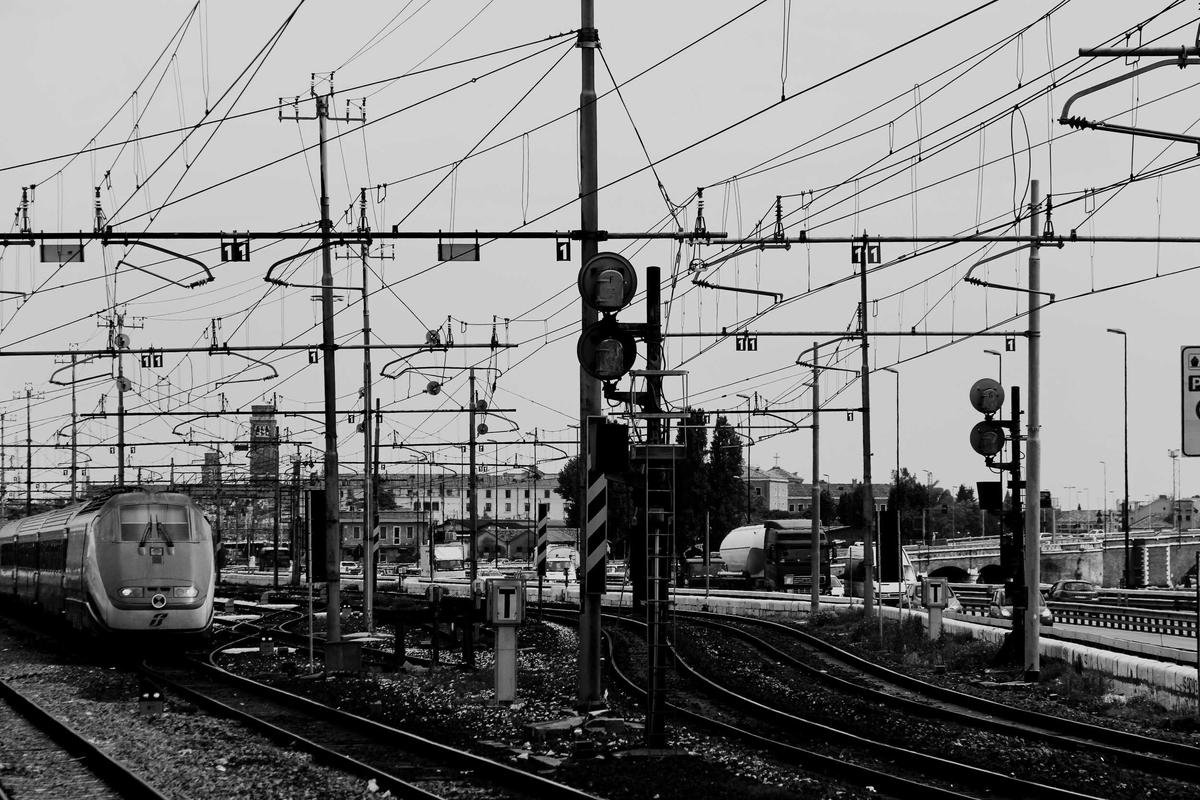
For those of us who obsess over the user experience of society, this is a classic case of the ‘last mile’ problem in industrial digitisation. We architect green hydrogen corridors and carbon capture networks on whiteboards, but we forget the gritty reality of substations that predate the internet. The National Grid, already creaking under the strain of renewable intermittency, is now a bottleneck. How many more electric arc furnace projects will stall because of a faulty switchgear? How many data centres will brown out because we forgot to upgrade a 1970s substation?
Tata insists the delay is temporary. Engineers are sourcing a replacement transformer from Germany, but logistics are snarled by post-Brexit customs checks and global component shortages. This is the supply chain fragility that Silicon Valley warned about: when your just-in-time inventory meets just-in-time geopolitics. The irony is thick: a project meant to reduce carbon emissions is stalled by the very infrastructure that enables electrification.
The UK government, which has pledged £500m in subsidies to Tata, is now in a bind. Do they rush a bailout to fix the substation, or hold firm and risk losing the steel plant entirely? The Treasury’s semantic web of ‘fiscal responsibility’ looks thin when a single transformer can derail a national industrial plan. Meanwhile, competitors in China and South Korea, with newer grids and state-backed utilities, are not delaying their green steel transitions.
This is not just an industrial crisis. It is a crisis of digital sovereignty. Without a domestic steel supply, the UK cannot build the wind turbines, electric vehicle chassis, or data centre racks that the green transition depends on. The electrical fault at Port Talbot is a red flag: our physical infrastructure is failing our digital ambitions. If we cannot fix a transformer, how will we wire a nationwide smart grid?
Tata’s delay is a wake-up call. We need to invest in the boring, invisible hardware that makes our futuristic dreams possible. Otherwise, every algorithm, every AI, every electric arc furnace will be a house built on sand. The user experience of society depends on electricity, and right now, our grid has a bug.