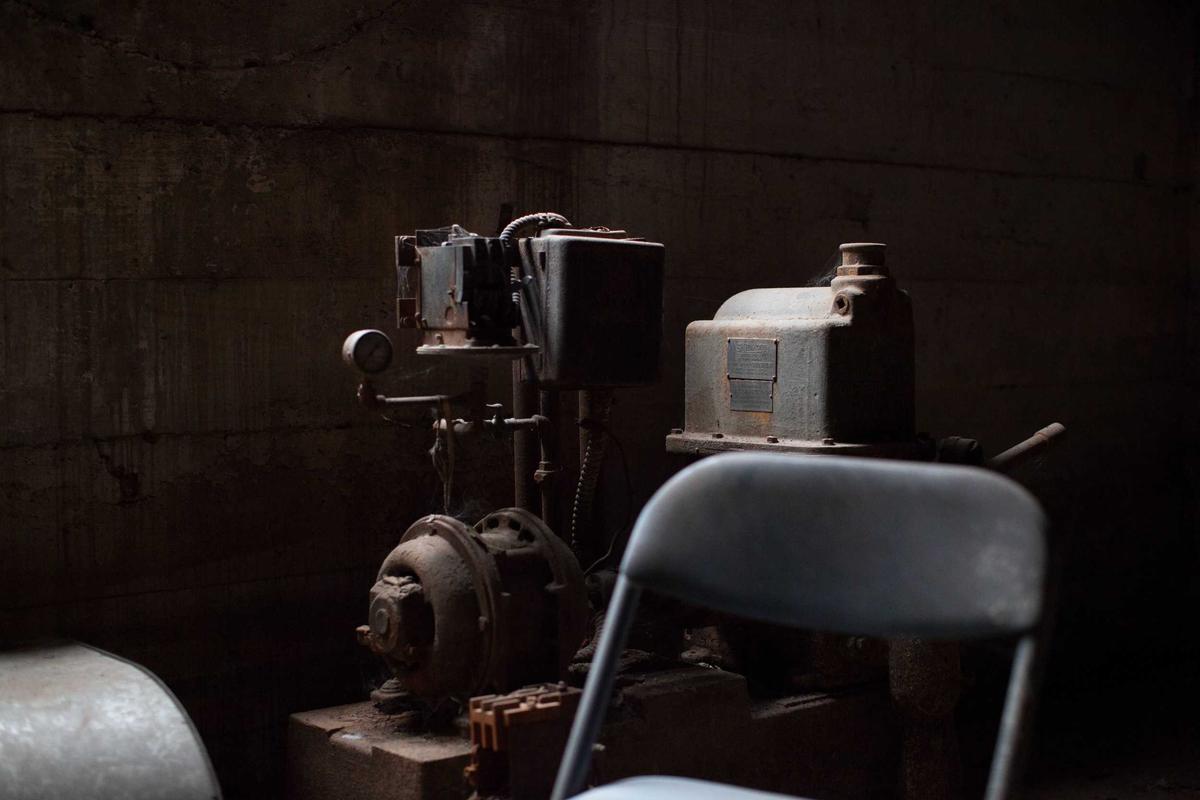
The UK’s struggling steel sector faced another setback as Tata Steel confirmed a critical delay to its £1.25 billion electric arc furnace at Port Talbot. An electrical fault, discovered during pre-commissioning tests, has pushed back the project’s timeline by several months, casting a pall over the country’s industrial revival ambitions.
The new furnace, designed to replace the ageing blast furnaces, is central to Tata’s plan to decarbonise steelmaking in South Wales. It promises to cut carbon emissions by 80% and secure thousands of jobs. But the electrical fault, described by sources as a “major technical glitch”, has exposed the fragility of the UK’s steel infrastructure under the dual pressures of cost and climate transition.
Engineers on site have traced the problem to a transformer designed for high-current operations. The component, manufactured by a German supplier, failed safety tests. “This isn’t a simple fix,” said a senior project manager. “We’re talking about a specialised piece of equipment that isn’t just sitting on a shelf.”
The delay comes at a precarious time. The UK steel industry has lost 2,000 jobs in the past year alone, with British Steel’s Scunthorpe plant and Liberty Steel’s operations under financial strain. The Business Secretary, Jonathan Reynolds, called the news “deeply concerning” and confirmed that officials are working with Tata to assess the knock-on effects.
For the local economy in Port Talbot, where 4,000 workers directly depend on the site, the wait is painful. “Every delay feels like a blow,” said a union representative. “We were promised this would be the future of green steel. Now we’re back to asking how long we can hold on.”
Yet, Tata insists the project remains viable. The company’s UK chief, Anil Jha, said: “We are confronting a significant but solvable technical issue. This does not change our commitment to Port Talbot or to the UK’s green steel ambitions.” The firm has allocated an additional £50 million contingency fund for unforeseen costs.
The fault also raises questions about the UK’s reliance on foreign-made components for critical national infrastructure. With global supply chains still frayed from the pandemic and geopolitical tensions, the delay is a stark reminder of the brittleness beneath the shiny promise of net-zero industrialisation.
Industry observers note that the setback could have a silver lining. “It forces a deeper scrutiny of our technological dependencies,” said a think tank analyst. “If we are serious about steel sovereignty, this is a wake-up call to invest in domestic engineering capabilities.”
The electrical fault is expected to take three to six months to rectify, pushing the furnace’s start-up to late 2025. In the interim, Tata will rely on its remaining blast furnace, which runs on coking coal and produces higher emissions. Environmental groups have expressed frustration, with Greenpeace UK calling it “a stumble at the starting line of a race we can’t afford to lose.”
Yet, if history is any guide, the UK steel industry has a stubborn resilience. From the closure of Redcar to the near-collapse of Liberty, the sector has weathered storms that would have sunk other industries. The question now is whether that resilience can survive the added weight of a climate deadline and a global tech race.
As the engineers troubleshoot the faulty transformer, they are not just fixing a machine. They are testing the mettle of a nation’s industrial future.