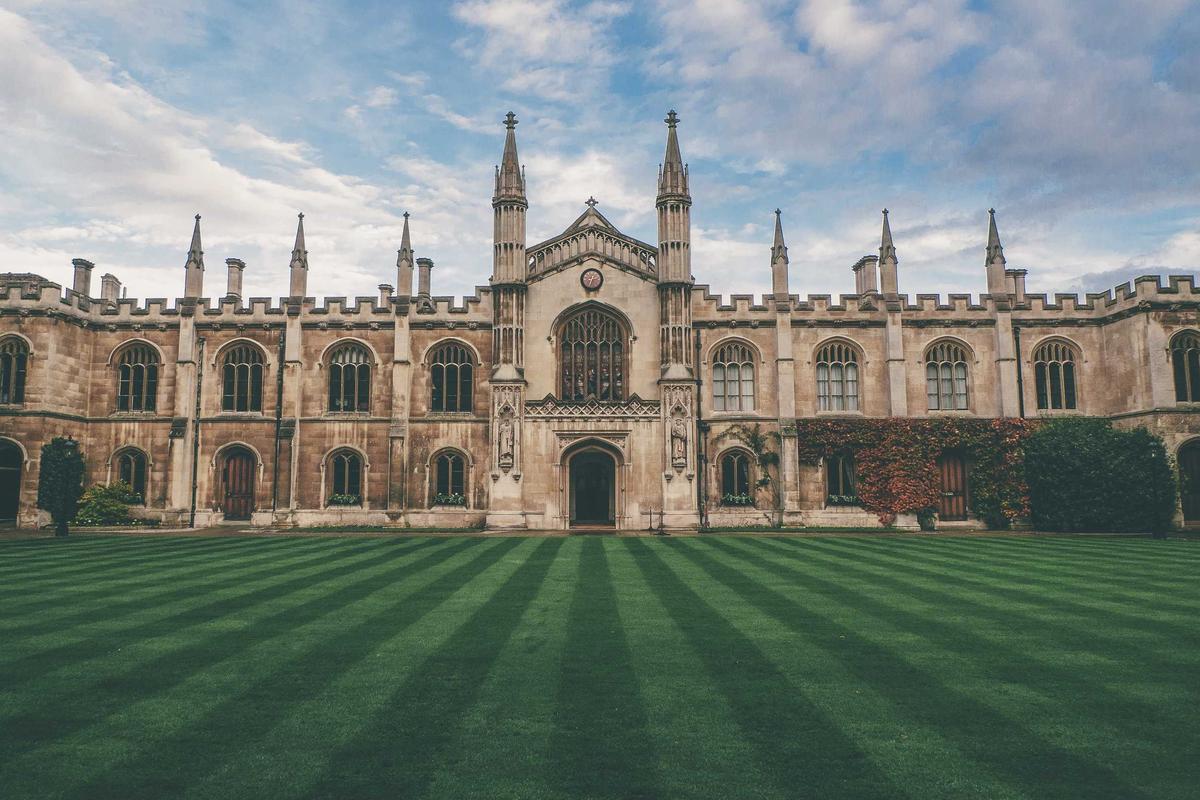
The markets are buzzing, but not over interest rates or gilt yields. No, the talk of the City today is the rumoured union between pop sensation Taylor Swift and NFL star Travis Kelce. And if whispers from palace sources are to be believed, the British monarchy may have offered Windsor Castle as the venue for the reception. One can only imagine the cost of such an affair. But let us set aside the royal pageantry and focus on the bottom line.
First, consider the net worth of this proposed merger. Swift, a prolific generator of capital with a net worth north of $1 billion, and Kelce, a Super Bowl champion with a portfolio of endorsements worth around $30 million, represent a formidable economic bloc. But will this marriage of entertainment and sport produce a net positive? The implications for the British economy are not insignificant. A royal wedding of this magnitude could inject millions into the local economy, from tourism to luxury goods. However, one must question the fiscal prudence of hosting such an event at Windsor Castle. The Crown Estate is already under scrutiny for its spending habits.
But let us turn to the broader market volatility. Celebrity marriages are often short-lived; the average divorce rate in the US hovers around 40%. Should this union dissolve, the prenuptial agreement will be the most important document in the room. Swift's legal team will have ensured her assets are protected, but the fallout could still dent her brand valuation. For Kelce, the risk is even greater: his personal brand is heavily tied to his relationship with Swift. A scandal could send his endorsement stock plummeting.
The question on every investor's mind is: what is the ROI on a royal wedding? Historically, the British royals have been a mixed bag. Prince Harry and Meghan Markle's wedding in 2018 boosted UK tourism by an estimated £500 million, but the subsequent departure of the couple from royal duties caused a PR crisis. A Swift-Kelce wedding could offer a short-term boost to the 'Cool Britannia' brand, but long-term capital flight is a real risk. Wealthy Americans may be more inclined to park their money in the UK if they see a cultural affinity, but they will also be watching the tax implications.
Central bank policy also plays a role. The Bank of England's recent interest rate hikes have made the pound more attractive, but a wedding of this scale could stoke inflationary pressures in the luxury goods sector. Demand for designer dresses, premium catering, and security services could spike, leading to temporary price increases. The Bank will be watching closely.
In conclusion, while the fairy-tale narrative is appealing, the smart money is cautious. Diversification is key. Investors should not bet the farm on a single event. The Swift-Kelce wedding might be a splendid spectacle, but as we know in the City, the most glittering affairs often hide the biggest liabilities.