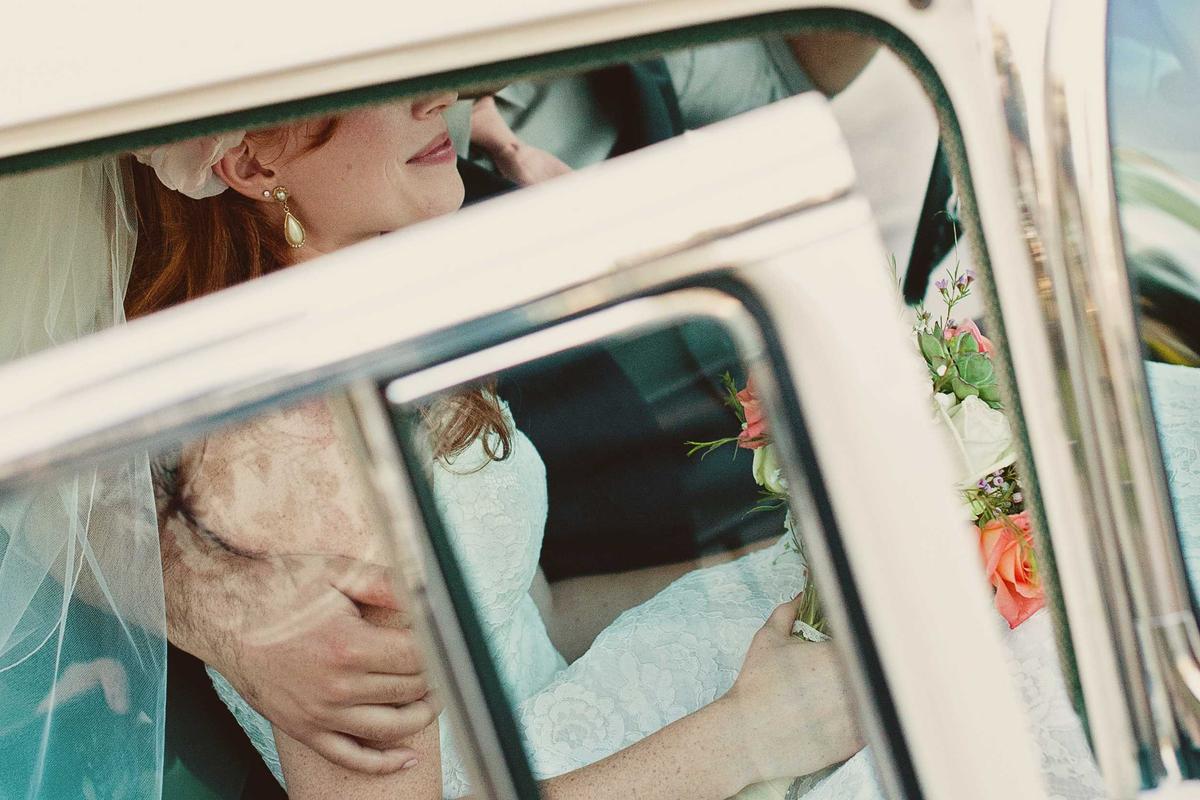
LONDON. Reports circulating on social media this morning suggesting that Taylor Swift has married her partner, Joe Alwyn, in a private ceremony have ignited a firestorm of fan speculation. While no official confirmation has been provided by the couple or their representatives, several UK tabloids have published articles analysing the purported evidence including a photograph of Swift wearing a ring on her wedding finger and a blurred image of what is claimed to be a wedding cake.
The incident has once again raised questions about the ethics of celebrity journalism in Britain. The Press Complaints Commission, which oversees the Editors' Code of Practice, has previously warned against the publication of unsubstantiated rumours regarding personal relationships. Yet the pace of digital news often outruns editorial safeguards.
This is not an isolated case. Recent months have seen a series of speculative reports about high-profile figures, from the Duke and Duchess of Cambridge to pop stars and actors. Editors argue that public interest justifies coverage, but critics counter that such reporting invades privacy and fuels misinformation.
The Swift-Alwyn relationship has been notably private, with the couple rarely appearing together in public. Alwyn, an actor, has given few interviews. Swift herself has a history of litigiousness against media intrusion, having sued a radio host for defamation in 2017.
In the absence of confirmation, many fans have taken to Twitter and Reddit to debunk the rumours, noting that Swift is currently on tour in Australia and that the ring in question could be a prop. One Twitter user posted: "This is just another example of the press making up stories for clicks."
The broader issue is the tension between commercial imperatives and journalistic standards. In a competitive media environment, speed often trumps verification. The result is a blurring of fact and fiction, eroding public trust.
Some commentators have called for a strengthening of the Editors' Code, arguing that current guidelines are insufficient to deter speculative reporting. Others suggest that the solution lies with digital platforms, which amplify unverified claims.
For now, the Swift-Alwyn wedding rumours remain unconfirmed. But the episode underscores a persistent challenge for British journalism: how to balance the public's appetite for celebrity news with the responsibilities of accurate and ethical reporting.