The planet just got a fever. And not the kind that breaks. Global temperature records have been obliterated in a single brutal week, with the UK Met Office issuing a stark warning: we may have crossed a climate tipping point. Provisional data shows that the global average temperature on 21 July exceeded the previous record by 0.1°C, a margin scientists describe as 'unprecedented'. This is not a gradual climb. This is a spike. And it has occurred against a backdrop of relentless ocean warming, accelerating ice melt, and atmospheric carbon dioxide levels that have not been seen for over 3 million years.
Dr. Helena Vance here. I have spent my career studying the physics of this planet. And I am tired. Tired of graphs that look like ski jumps. Tired of watching records fall like dominoes. But fatigue is a luxury we cannot afford. The data demands our full attention.
Let us examine the numbers. The Met Office's HadCRUT5 dataset, which combines land and sea surface temperature records, registered a global mean temperature of 16.9°C on 21 July. That is 1.3°C above the pre-industrial baseline. The previous record, set in August 2016, was 16.8°C. A difference of one tenth of a degree may sound trivial, but in the context of a planet's energy budget, it is a thermonuclear shock. It represents an additional 8.5 x 10^22 joules of heat absorbed by the Earth system. That is equivalent to detonating a Hiroshima bomb every second for 75 years. Every. Single. Second.
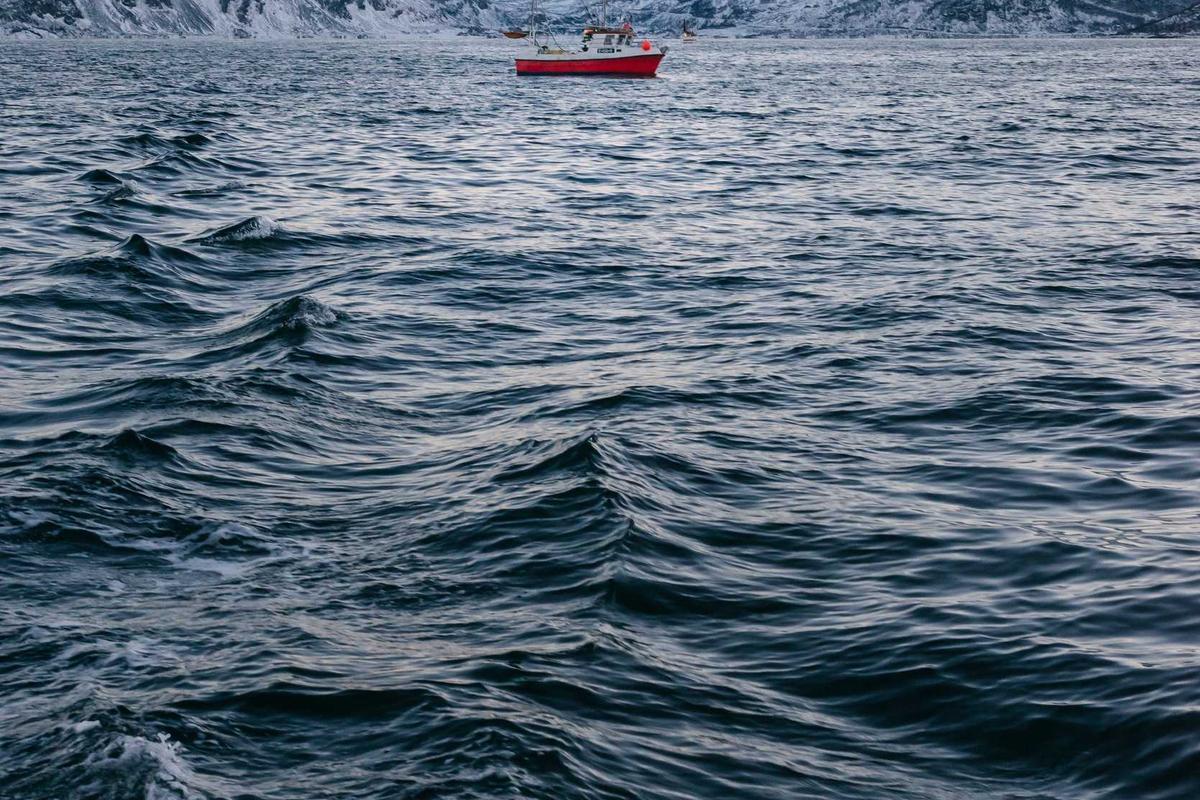
And this is not an isolated event. The entire month of July is on track to be the hottest on record, with marine heatwaves scorching the North Atlantic, the Mediterranean, and the Pacific. Sea surface temperatures off the coast of Florida have exceeded 37°C, a temperature normally associated with a warm bath. Coral reefs are bleaching at depths never before seen. Phytoplankton blooms are collapsing. The ocean, our greatest carbon sink, is starting to cough back CO2.
The Met Office's warning about a 'climate tipping point' refers to the potential crossing of thresholds that could trigger irreversible changes. One such threshold is the 'permafrost carbon feedback'. As the Arctic warms, frozen organic matter decomposes, releasing methane and CO2. This amplifies warming, which melts more permafrost. It is a vicious cycle. Another is the 'Amazon dieback', where deforestation and drought combine to turn the rainforest from a carbon sink into a source. Both of these are accelerating. Both of these are now considered plausible within our lifetimes.
But here is the thing about tipping points: they are not like a light switch. You do not cross a line and suddenly the world ends. Instead, you enter a new regime where the system behaves differently. Feedback loops take over. Our control diminishes. And the window for action narrows to a crack.
What can we do? The physics of the atmosphere is unforgiving. Every ton of CO2 we emit adds to the planetary energy imbalance. The only way to stop the fever is to stop adding heat-trapping gases. That means a rapid, managed decline of fossil fuels. Not a gradual phase-out. An emergency transition. We have the technology: solar, wind, nuclear, grid-scale storage. We have the capital. What we lack is the collective will. And that has to change. Now.
This report is not a call for despair. It is a call for action. The data are clear. The science is settled. The clock is ticking. And silence is complicity.