The planet has entered uncharted territory. Global temperature anomalies for the past 12 months have not merely broken previous records; they have obliterated them by a margin that has stunned climatologists. The average global temperature from June 2023 to May 2024 was 1.63°C above pre-industrial levels, according to the Copernicus Climate Change Service. This is a staggering 0.4°C higher than the previous record set in 2016, a jump that exceeds the typical year-on-year variability. To put this in perspective: the rate of warming has effectively doubled overnight. The Earth system is giving us a sharp, unambiguous signal.
For decades, scientists warned of a linear climb in temperatures. We assumed incremental change, a gentle slope we could manage. Instead, we are witnessing a step change. The North Atlantic has been simmering at unprecedented temperatures. Antarctic sea ice extent has collapsed to levels 2 million square kilometres below the long-term average. These are not model projections; these are observations. The physics is clear: with more heat trapped by greenhouse gases, extreme events become not just probable but inevitable.
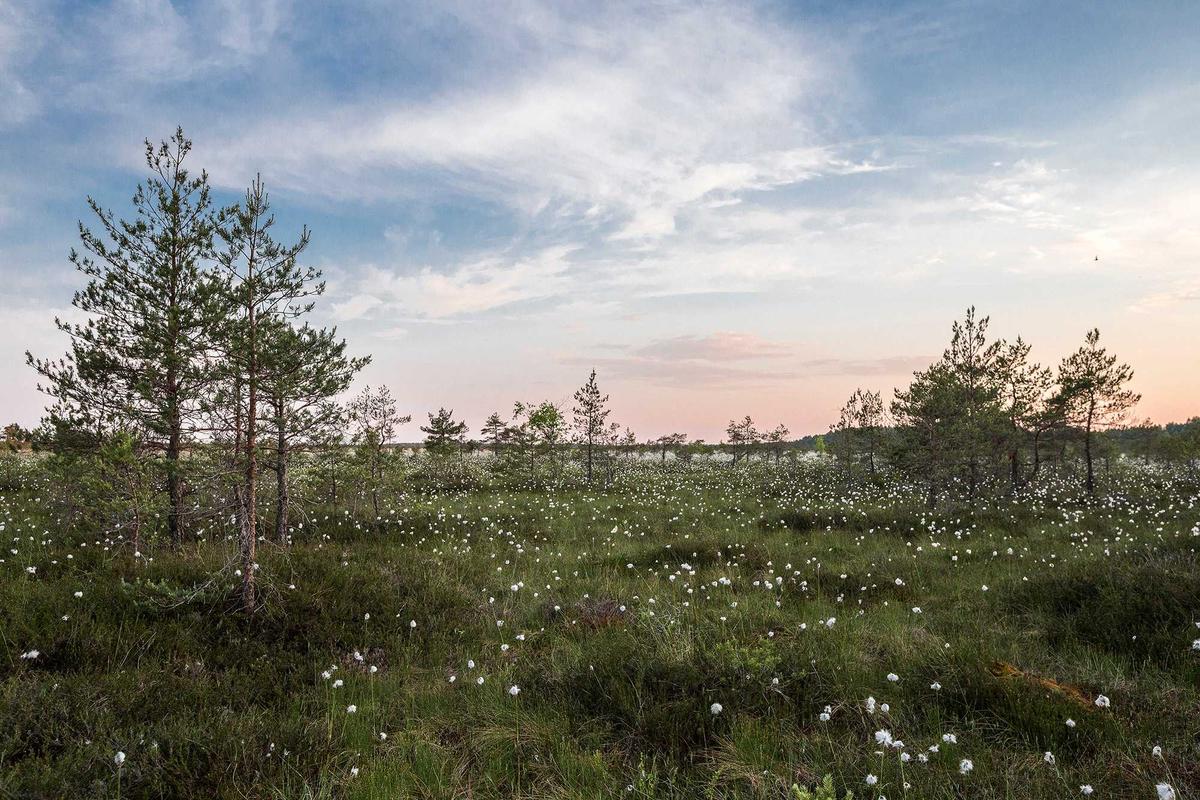
In response, the United Kingdom has positioned itself as a global leader in climate adaptation. The government's newly published Third National Adaptation Programme outlines a comprehensive strategy to bolster resilience across sectors. From upgrading flood defences to retrofitting housing stock for overheating, the plan is ambitious. But what sets Britain apart is its integration of nature-based solutions. The restoration of peatlands, expansion of saltmarshes, and creation of urban green spaces are not mere ecological niceties; they are cost-effective infrastructure for carbon storage and cooling.
The urgency is palpable. The UK's Climate Change Committee has stated that adaptation efforts must accelerate by 50% to keep pace with current risks. Yet there is a deeper issue: the psychological barrier of accepting that we have already lost the battle against 1.5°C of warming. We are now living with at least 2°C locked in by mid-century. Adaptation is no longer a hypothetical insurance policy; it is a lifeline.
Critics argue that adaptation detracts from mitigation. This is a false dichotomy. We must do both, and we must do them simultaneously. The energy transition is progressing, but not fast enough. Global emissions continue to rise. The latest IPCC report shows that we are on track for 3°C of warming by 2100 unless drastic cuts are implemented. The technology exists: solar, wind, nuclear, and emerging carbon removal methods. The bottleneck is political will and economic inertia.
As a scientist, I am compelled to state the plain truth: the Earth system does not negotiate. It responds to forcings. We have loaded the dice. Now we must play the hand we have dealt ourselves. Britain's leadership in adaptation is commendable, but it must be matched by unparalleled mitigation efforts. Otherwise, the line between adaptation and surrender will blur.
The heatwaves that killed thousands in Europe last summer are a warning. The floods that devastated Pakistan are a warning. The wildfires that choked Canada are a warning. We ignore these signals at our peril. The window to act is closing, but it is not yet shut. Every fraction of a degree we prevent reduces human suffering. That is the science. That is the call for calm urgency.