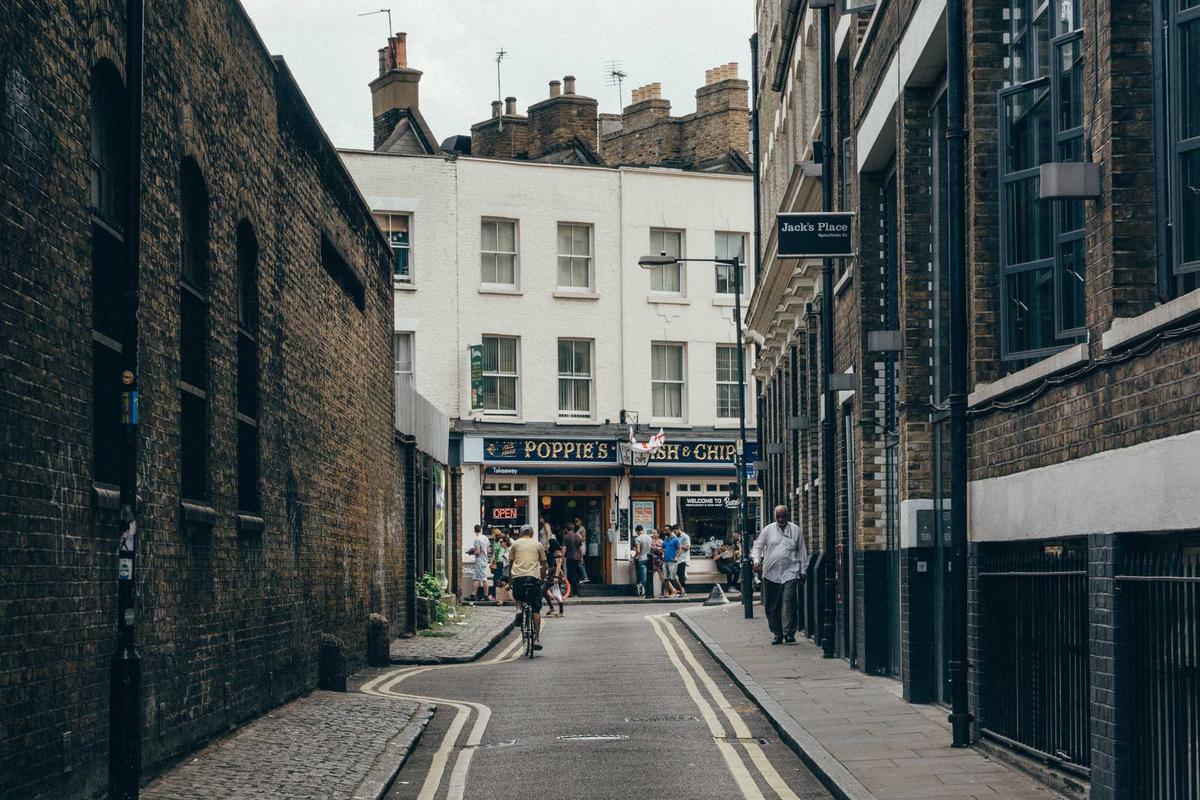
Here in London, the Treasury analysts have been sharpening their pencils. Their latest warnings about the US economy land with a familiar thud: the American boom is built on sand, they say. The risks are inflated. The debt is too high. The consumer is tapped out. But walk down any street in New York, and no one seems to have told the people. This is the disconnect that fascinates me. The cultural gap between how economists see America and how America actually lives.
The British worldview tends towards the cautious, the measured, the slightly sceptical. We see an economy running on caffeine and credit. They see a country that, against all odds, keeps adding jobs, keeps spending, keeps grinning through the inflation. The Treasury analysts are technically correct: the numbers are precarious. The national debt is staggering. But they forget the human factor. Americans have a different relationship with risk. A different social psychology. They believe in the next quarter, the next start-up, the next paycheck. It is not rational, but it is real.
What I observe on the ground is a cultural shift. The post-pandemic American worker has recalibrated. They demand higher wages, better conditions, more flexibility. And they are getting them. This is not the economy of 2008. This is an economy where labour has leverage. The Treasury sees an inflated risk; I see a population that has decided to demand more from the system. That is not a risk. That is a revolution unfolding in slow motion.
The class dynamics are shifting too. The old divide between white-collar and blue-collar is blurring. Traders in London may sneer at the service sector, but the service workers in America are now the engine. They are the ones driving consumption. They are the ones with the disposable income. The Treasury analysts, sitting in their glass towers, may miss this because they do not meet these people. They look at data. But the data is a lagging indicator. The street is a leading one.
This is not to dismiss the warnings entirely. The debt is real. The potential for a correction is real. But the British tendency to see doom in every American boom says more about our own anxieties than about their economy. We project our own fear of exposure onto a country that has always thrived on it. The American economy is not a house of cards. It is a bazaar. It is messy, loud, and occasionally chaotic. But it is also resilient in ways that our analysts cannot model.
The cultural lesson here is simple. Beware the expert who has never walked the beat. The Treasury analysts may have the spreadsheets, but they do not have the street. And on the street, Americans are feeling optimistic. They sense that the game is changing. They are not waiting for permission. They are spending. They are hiring. They are living. And that, I suspect, will continue to defy the odds.