The news lands with a thud: a bus, civilian, in Russian-occupied territory. Eight dead. A drone strike.
No military target, no strategic value. Just a routine journey turned into a mass casualty event. In the occupied Donbas, such stories have become almost routine, yet each one chips away at the last vestiges of normalcy.
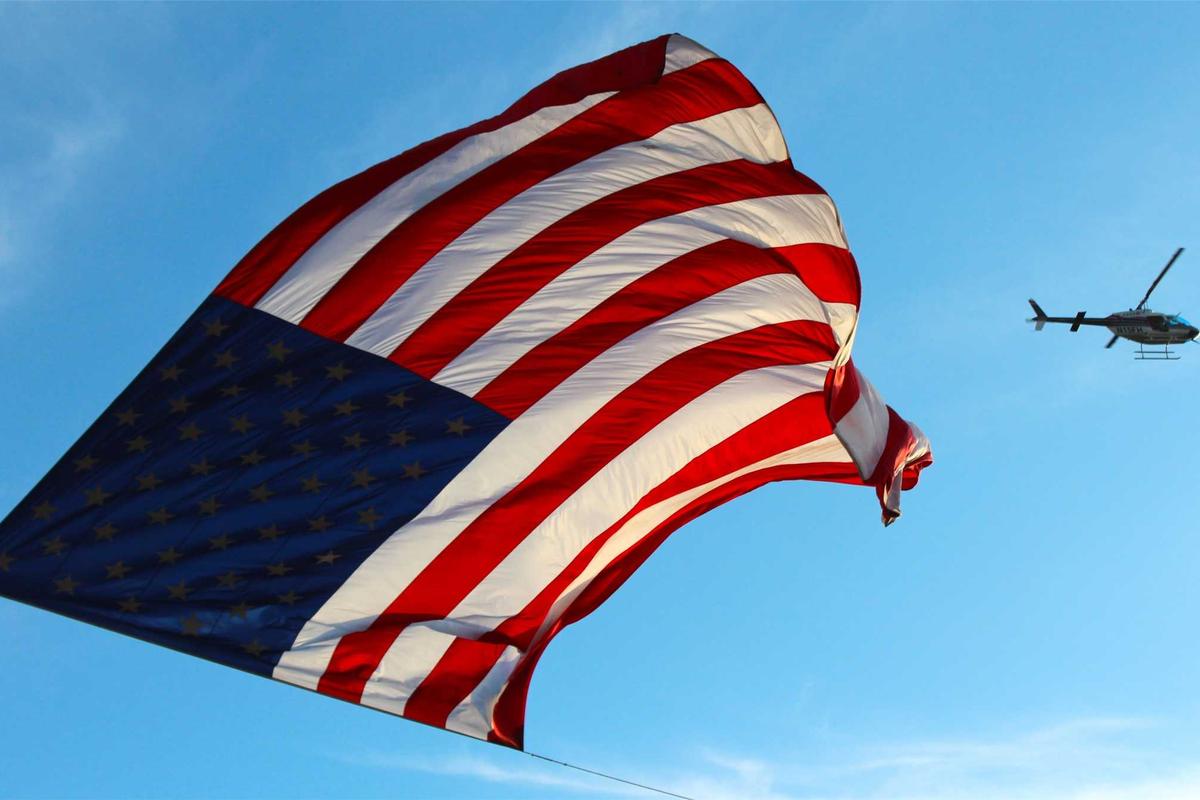
The Kremlin’s war, once sold as a ‘special operation’ to ‘liberate’ Russian speakers, now reaches into the lives of those it claimed to protect. On the ground, the social contract has collapsed. People in occupied zones live in a parallel reality: Russian passports, Russian flags, but the same terror that haunts Kyiv.
The bus, maybe filled with women and elderly, becomes a symbol. It shows that the front line is no longer a line but a cloud of shrapnel that can fall anywhere. In this war, every civilian death is a dataset point in a social experiment about how much trauma a society can absorb.
The psychological shift: people avoid buses, then avoid streets, then avoid thinking about tomorrow. This is not just a military failure; it is a slow erasure of hope. The cultural shift is profound.
Ukraine, even under occupation, is watching. The narrative that Russia protects civilians has been killed, stone dead, on that road. And for the world, another numbing statistic.
But for those eight families, it is an ending that redefines everything. Willow trees and sunflower fields: now graveyards. The drone’s shadow lengthens.