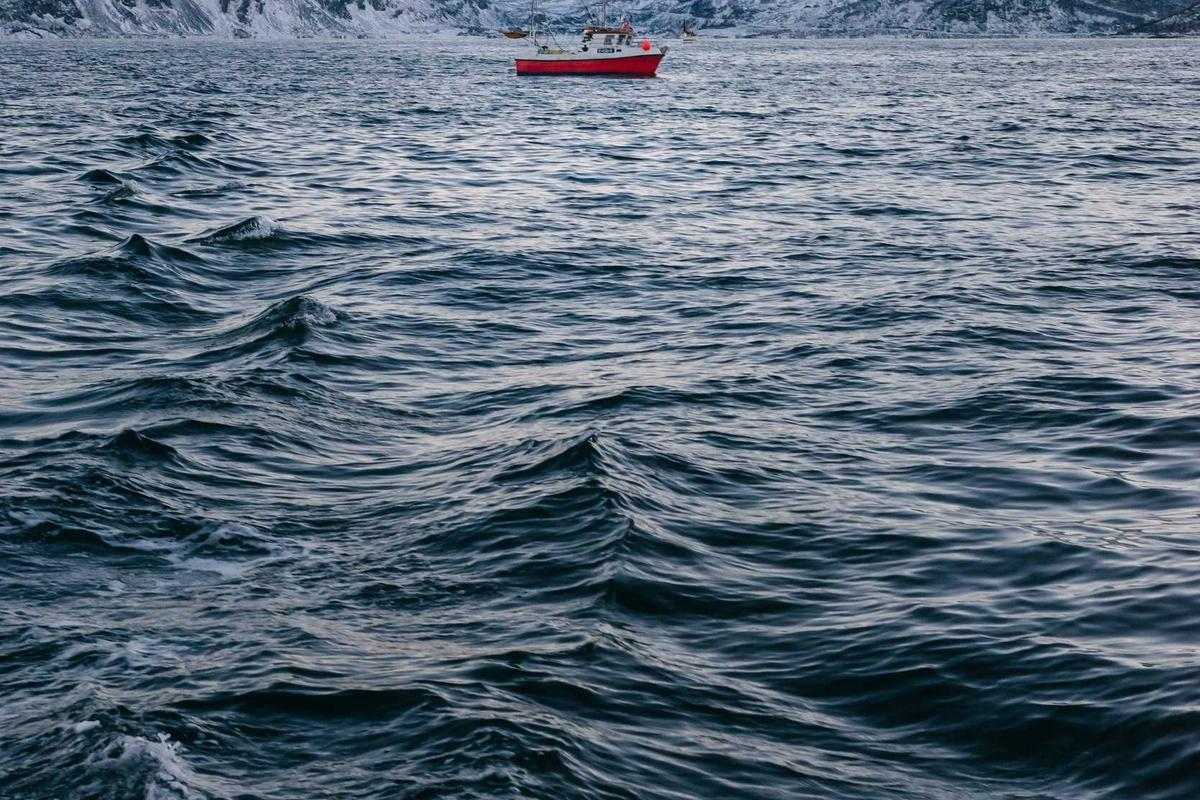
The English Channel, that narrow moat so central to British identity, has become the stage for a new act of geopolitical brinkmanship. On Wednesday, the first Russian ‘shadow tanker’ entered these waters, a vessel designed to evade sanctions and insurance laws. The Royal Navy, not to be outdone, intercepted and boarded the panama-flagged Smyrtos last week, but now a second ship has dared to test the limits of British resolve. It is a scene plucked from the Cold War playbook, yet the implications are entirely modern. This is the Return of History, not as farce, but as a slow, grinding spectacle of decline and defiance.
The shadow fleet, as it is known, operates outside the usual maritime structures. These are often ageing, poorly insured vessels that transfer oil and gas without regard for environmental or legal standards. They are the maritime equivalent of a black market. That one now sails past the white cliffs of Dover is a signal: Russia will not be cowed by naval posturing. The Government’s response, however, reveals the deeper rot. We wring our hands over a single tanker while the entire system of international maritime law crumbles around us. It is like arguing over a broken window while the house burns.
This is not merely a crisis of enforcement. It is a crisis of intellectual and moral clarity. We have lost the language of deterrence. The boarding of the Smyrtos was a brave move, but isolated. It lacked the backdrop of a sustained strategy. Contrast this with the Victorian era, when the Royal Navy’s dominance was unquestioned. A single gunboat would have sufficed; today, we need a whole squadron and still hesitate. The decline is palpable. We are living through the twilight of the Pax Britannica, and the Russians know it.
The shadow tanker is a symptom of a broader decadence. Our society has become obsessed with rights and procedures, while our adversaries operate in a realm of pure power. We debate the legality of intercepting a vessel in international waters; they simply proceed. The Channel has become a testing ground, not of naval strength, but of Western will. And so far, the verdict is not favourable.
What is to be done? First, we must cease abusing the word ‘unprecedented’. This is not new; it is a return to an older pattern of great power rivalry. Second, we must match deeds to words. The Royal Navy should board every shadow tanker that enters British waters, and let the legal chips fall where they may. Third, we need to revive the concept of prudent predation. Our ancestors knew that security required a certain ruthlessness. We have become too polite for our own good.
Some will call this warmongering. It is not. It is a recognition that the liberal order, for all its virtues, has grown brittle. The shadow tankers are not just ships; they are the advance guard of a world order that despises our values. If we cannot defend the Channel, what can we defend? The government’s inaction is an invitation to chaos. But perhaps that is the point. Chaos, after all, is the natural habitat of the shadow fleet.
The Victorian statesman Lord Palmerston understood that interests are permanent. He would look at this tanker and see a test of national resolve. We, in our wisdom, see a regulatory issue. That is the measure of our fall. The tanker sails on, and with it, the ghost of a once-mighty maritime nation.