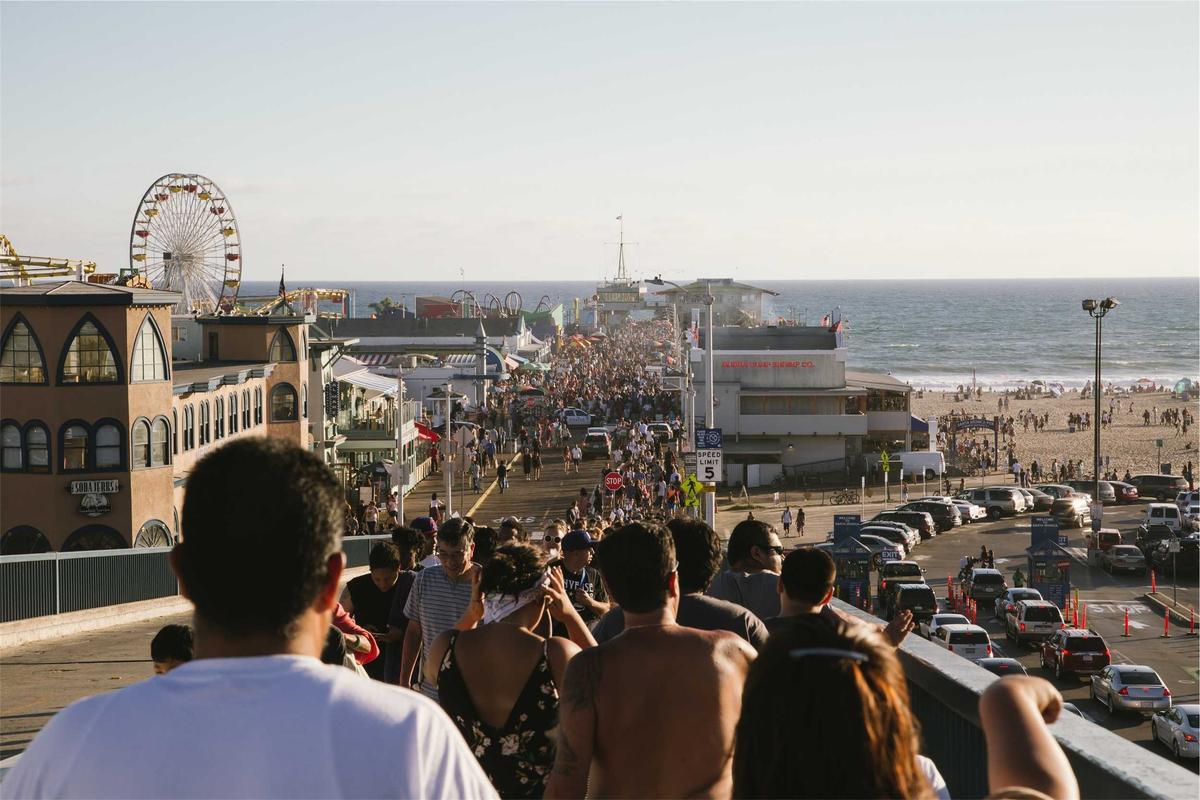
Ah, the beautiful game. It's not beautiful enough. According to the latest dispatches from the bureaucratic battlefield, Fifa now claims that its grand World Cup infrastructure, presumably built with the acumen of the late Roman emperors who erected colosseums with suspect drainage, has fans on concourses rather than in seats.
British safety inspectors, those guardians of common sense and fire codes, have demanded an overhaul. One can almost hear the collective sigh from Qatar to the Home Counties. This is not merely a logistical hiccup.
It is a symptom of our age: the triumph of spectacle over substance, of marketing over architecture, of the concourse over the seat itself. We have become a civilisation that builds grand stages but forgets the audience. The fans, those who pay the piper and supposedly call the tune, are herded into liminal spaces, neither inside nor out, like livestock awaiting a verdict.
The inspectors are right, of course. They always are. But their remedy, this 'overhaul', will likely produce more concrete, more glass, more signs in three languages, and precisely the same alienation.
We should recall that the great stadia of the past, from the Athens Panathenaic to Wembley's twin towers, were not merely places to watch a game; they were civic cathedrals. They had seats, yes, but they also had soul. The concourse is the architectural equivalent of the queue at a government office: efficient, sterile, and utterly devoid of dignity.
What we need is not an overhaul of regulations. We need a revolution in how we conceive of public space. Until then, expect more fans on concourses, more inspectors with clipboards, and the slow, inexorable decline of the beautiful game into a mere commodity.
But do not hold your breath. The Roman circuses had their own problems with crowd control, and they lasted centuries. They also fell.
Perhaps we are just more honest about our decline.