In the sleek departure lounge of Kuwait International Airport, a child's teddy bear lies abandoned on a plastic seat, its fur coated in a fine dust of shattered drywall. Outside, Iranian drones have cratered the tarmac. Inside, a city that prides itself on being the Gulf's most cosmopolitan hub is now learning the geography of a bomb shelter. This is the human cost of a crisis that has moved from the pages of foreign policy journals to the very fabric of everyday life.
For the past 48 hours, the US and Iran have traded fresh strikes, escalating a proxy war that has long simmered beneath the surface of Middle Eastern geopolitics. But the real story is not the duelling press releases from Washington and Tehran. It is the quiet, panicked whisper that is spreading across Kuwait's hypermarkets and coffee shops. The airport attack has weaponised the ordinary: a flight delay now carries existential dread, a drone buzzing overhead is no longer a toy but a harbinger.
The cultural shift is profound. Here in Kuwait, where wealth has long insulated the population from the region's worst chaos, the collision of class and conflict is stark. The business class that jets between London and Dubai for weekend shopping sprees now faces the same claustrophobia as the workers who build their villas. The airport is a great equaliser. When the sirens sound, there is no first-class lounge.
I spoke to a Kuwaiti father, a banker in a finely tailored suit, who was sheltering in a car park with his wife and two children. He told me, ‘We thought we were different. We thought the luxury would protect us.’ His wife clutched her handbag as if it were a life raft. This is the psychology of a society that has built its identity on stability and is now watching it fray.
The social trend here is not panic but a brittle, nervous calm. People are going to work, but they are checking the news on their phones under the table. WhatsApp groups buzz with unverified warnings. A friend texted me, ‘They say the next strike could be on the oil fields.’ Whether it is true or not, the rumour itself is a weapon. It erodes trust in the institutions that have kept the Gulf orderly: the government, the airline, the local news.
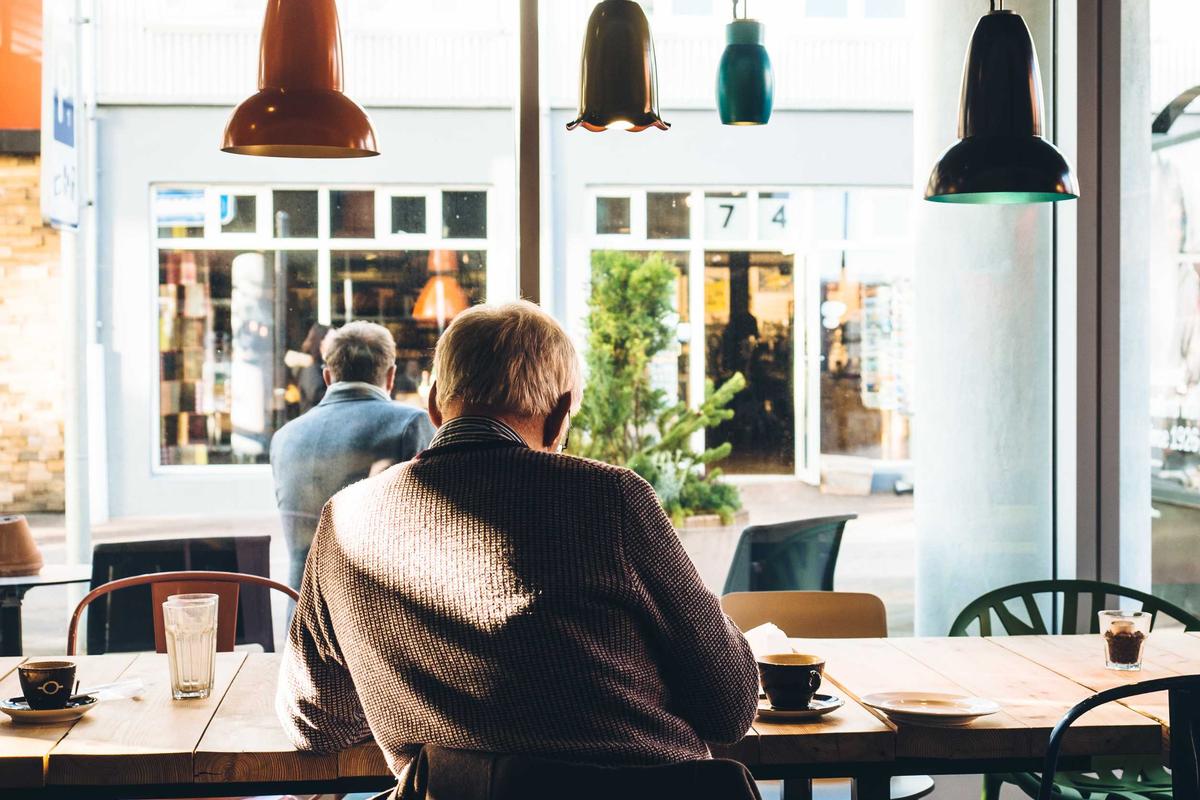
On the streets, there is a strange inversion of normalcy. The usual traffic jams are thinner. The malls are quieter. But the coffee shops are fuller. There is a human urge to gather, to be seen with others, as if shared space can ward off the solitary terror of a missile. I watched a group of expat accountants laughing nervously over flat whites, their voices too loud, their jokes forced. They were not laughing at anything funny. They were laughing at the absurdity of being here, now.
Class dynamics are shifting beneath the surface. The migrant labourers who clean the offices and drive the Ubers are the most exposed. They live in crowded camps with no air raid shelters. Their wages are meagre, their documentation fragile. If the border closes, they cannot flee. Meanwhile, the Kuwaiti elite are dusting off their second passports and booking tickets to Geneva, leaving a vacuum of leadership. The national motto, ‘Kuwait first’, rings hollow when the first class is evacuating.
The broader cultural shift is one of disillusionment. The Gulf has long sold itself as a refuge, a neutral zone where business transcends politics. The Kuwait airport attack has shattered that myth. People are now asking uncomfortable questions: How long will the West protect us? What happens when the oil money stops? The answers are elusive, but the questions themselves are a kind of revolution.
As I write this, the airport is closed indefinitely. The child's teddy bear remains on its seat, a silent witness. The crisis is deepening, but the real story is not the strikes themselves. It is the slow, quiet reshaping of a society that woke up today believing it was safe and is now uncertain. That uncertainty is the most dangerous weapon of all.