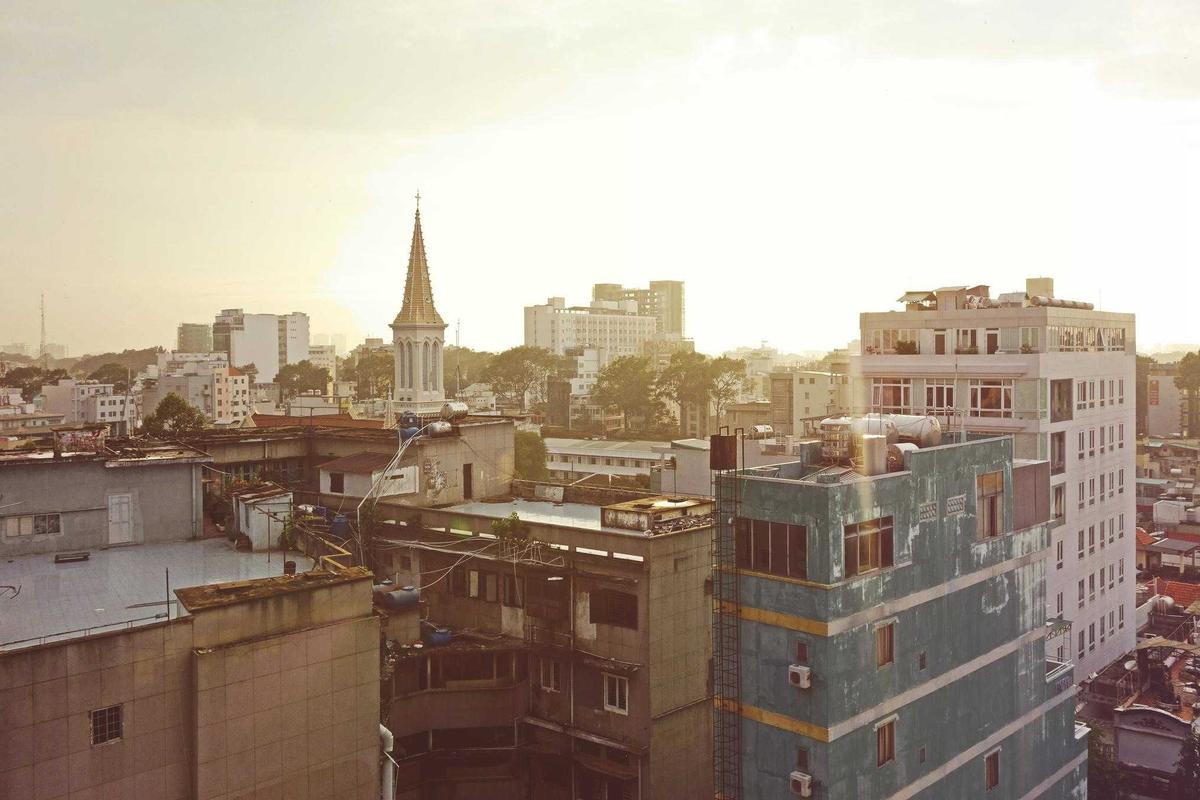
In the teeming, dust-choked streets of Mandalay, the rhythm of life has been broken. The familiar cacophony of motorbikes and market traders is now punctuated by the rumble of military trucks and the sharp crack of gunfire. Myanmar's brutal civil war, now entering its third year, has reached a new and desperate phase. The junta, facing territorial losses to a coalition of rebel groups, is resorting to forced conscription, snatching young men from buses, teashops, and even their own homes. I spoke to a shopkeeper in Yangon, a man in his fifties who asked not to be named. 'They came for my neighbour's son,' he said, his voice a whisper. 'He was just a student. They put a gun in his hand and told him to fight. If he refuses, they shoot him.' This is not a distant conflict; it is a social catastrophe unfolding in living rooms and on street corners.
The rebel groups, meanwhile, are not faring much better. The once promising offensives that saw them seize significant territory in the north and west have stalled. Supply lines are stretched, and the junta's scorched earth tactics have left villages in ruins, their inhabitants scattered as internally displaced persons. The human cost is staggering. Over 2 million people have been displaced since the coup in 2021, and the UN estimates that nearly half of the population lives in poverty. The cultural shift is equally profound. A generation of young people, raised on the hope of democracy, is now being taught the brutal science of survival. They learn to identify the sound of artillery shells, to live without electricity, and to bury their friends.
Yet, resistance endures in subtle ways. In the tea shops of central Yangon, conversations are coded, a glance over the shoulder before a whispered word. The Civil Disobedience Movement, once a mass strike of civil servants, has transformed into a network of secret cells. Doctors operate in clandestine clinics, teachers hold lessons in hidden classrooms. This is the quiet rebellion of a society refusing to die. The junta's conscription is a sign of weakness, an admission that its professional army is depleted. But it is also a sign of ruthlessness. Every man forced into uniform is a family torn apart, a future stolen. The world watches, but Myanmar's fate will be decided by those who stay, those who fight, and those who survive. For now, the streets are tense, the air thick with fear and defiance. The human cost of this civil war is not just a number; it is the hollowed eyes of a generation.