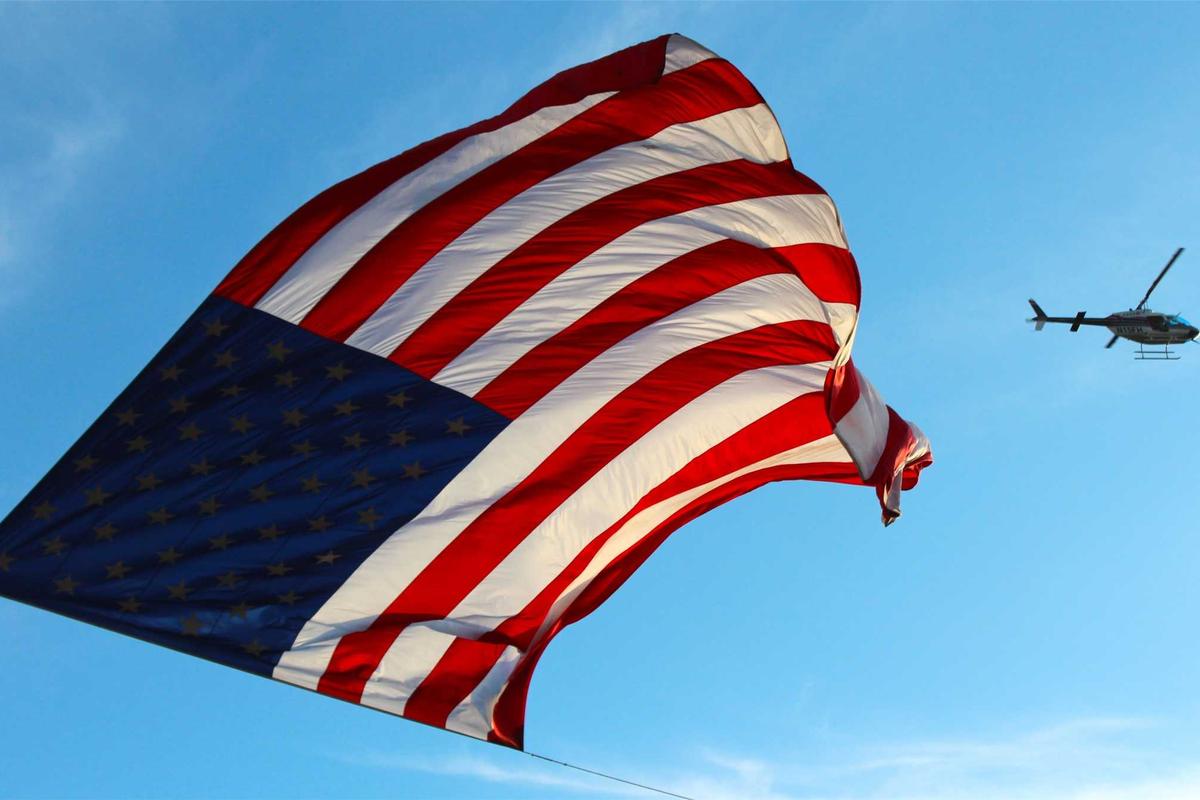
The news landed with the particular heaviness of a government press release that will reshape lives on the factory floor. The United States has imposed new tariffs on goods linked to forced labour, and Britain, in a move that signals a subtle but significant cultural shift, has thrown its weight behind tougher trade enforcement.
But what does this mean for the people on the street? The tariffs are aimed squarely at supply chains that rely on coercion: cotton from Xinjiang, electronics from Southeast Asian assembly lines, and so on. The language is about human rights, but the effect is about the cost of everything we buy. A new winter coat, a smartphone, a child’s toy: each will inch up in price, a quiet tax on our collective conscience.
I spoke to Maria, a single mother in Birmingham, who was already struggling with rising bills. “It’s another thing I have to worry about,” she told me. “I want to buy ethically, but my purse doesn’t have that option.” Maria represents a class caught between morality and necessity. The tariffs are a blunt instrument, and she feels the blunt end.
Britain’s decision to endorse tougher enforcement is more than a diplomatic footnote. It reflects a broader societal reckoning. We have moved from the age of “cheap is good” to a tentative embrace of “good is necessary.” The government’s stance is partly driven by post-Brexit trade ambitions: it wants to show it can secure fairer deals. But at a cultural level, it resonates with a public increasingly uneasy about the provenance of their goods. The pandemic, the rise of ESG investing, and the moral urgency of climate change have all sharpened this awareness.
Yet the implementation is riddled with cognitive dissonance. Britain’s own trade policies still rely heavily on tariff-free imports from developing nations where labour rights are patchy. The UK’s new enforcement will be a complex task: how do you police a global supply chain? The answer is likely more paperwork, more inspections, and more cost passed to the consumer.
On the streets, the reaction is a mix of approval and cynicism. In Manchester, a group of student activists celebrated the news outside a branch of Primark, a retailer notorious for supply chain controversies. One student, Jack, said it was “a step in the right direction.” But a factory worker in Leicester, who asked not to be named, was more sceptical: “They’ll just move production somewhere else, find a new loophole. It’s the workers who suffer while politicians make speeches.”
There is a deeper cultural shift here, too. For decades, globalisation sold us a story: trade would lift all boats, and consumption was an apolitical act. That story is breaking down. The tariffs represent a move towards a more fragmented world where what you buy has a moral weight. But this is a transition rife with discomfort. We are being asked to care more, but without clear mechanisms to do so. The human cost of this policy is not just the price rise: it is the anxiety of a society learning to look behind the label.
The real test will be in the months ahead. Will British shoppers, facing a cost-of-living crisis, continue to support these measures? Or will the pressure of rising prices weaken resolve? The answer will define not just trade policy but the character of the nation: how much we are willing to pay for our values.