So the gavel has fallen. A federal court orders the removal of Donald Trump’s name from the Kennedy Center for the Performing Arts, and the British cultural establishment responds with a collective sniff of indignation: “We would never.” How quaint. How utterly predictable.
Let us first dispense with the pompous notion that this is about “artistic integrity.” The Kennedy Center, like any major arts institution, exists in a perpetual state of quiet desperation for funding, prestige, and relevance. Trump’s name was plastered there because he wrote a cheque, not because he ever attended a performance of Swan Lake without falling asleep. Now that the cheque has bounced politically, the name is scraped off like yesterday’s gum. This is not morality. This is real estate.
Yet the real spectacle lies across the Atlantic, where British arts leaders rush to swear that no such thing could happen here. “We are independent,” they declare. “Our institutions are above partisan squabbles.” Oh, spare me the Edwardian modesty. The Royal Opera House has erased donors for far less: drug convictions, messy divorces, the wrong sort of accent. The only difference is that in Britain we do it with a velvet glove rather than a court order. We prefer to let the names fade slowly, like photographs in a dusty drawing room.
Consider the irony: the same British institutions that now tut-tut at Washington’s crudity spent decades scrubbing the names of colonial opium merchants from their benefactor lists. The Wallace Collection quietly shelves bequests from dubious sources. The British Museum returns artefacts it never truly owned. We have our own forms of revisionism, just more elegantly dressed.
What truly offends the British sensibility is not the erasure of Trump’s name. It is the American efficiency of the act. A court says “remove” and the sign comes down within the week. No committee, no three-year inquiry, no chaired discussion on “contested heritage.” This brute efficiency is an affront to our national theatre of slow-motion bureaucracy. We prefer to let a contentious name remain on the wall until everyone who knew it was there has died, then quietly repaint.
But the deeper issue here is one of historical memory – or rather, historical cowardice. We live in an age where every statue is a potential guillotine, every name a target. The impulse to scrub the past is always a sign of a civilisation that has lost faith in its future. The Victorians did not rename their railway stations every time a prime minister fell from grace. They understood that history is a palimpsest, not a whiteboard.
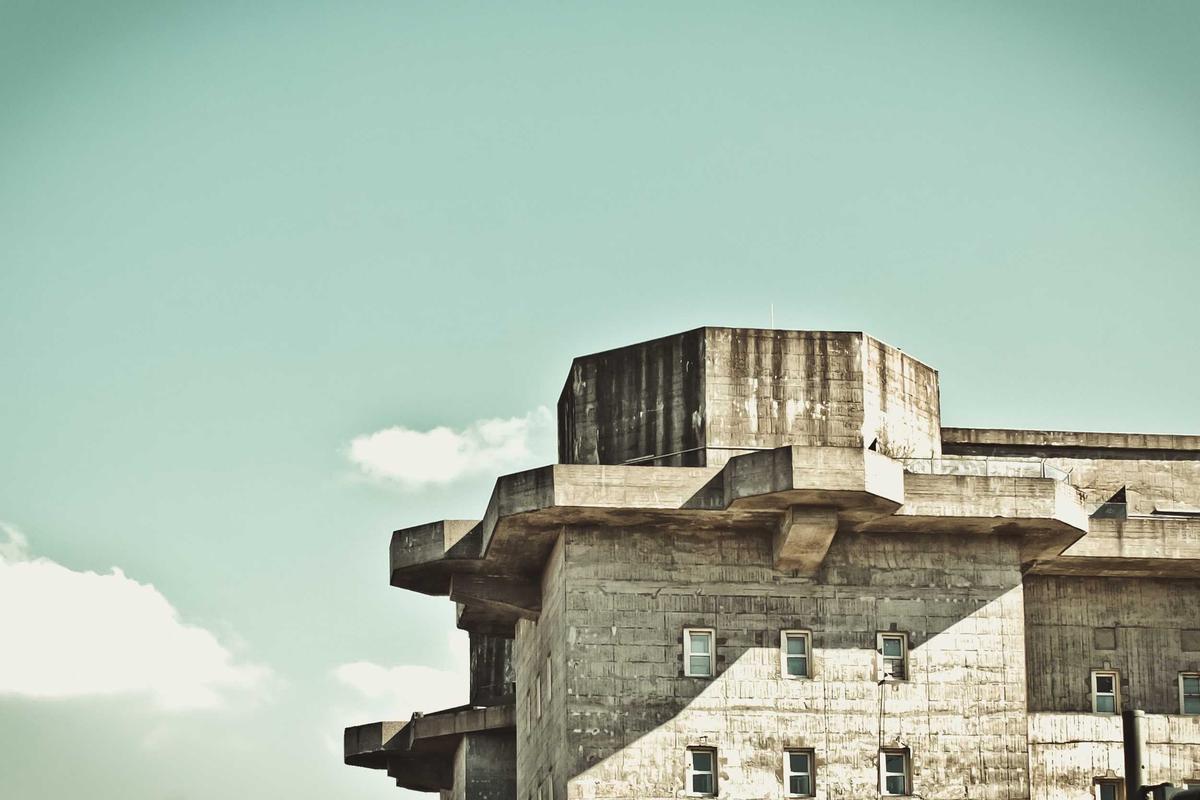
And yet I find myself in an uncomfortable position. For once, I cannot muster a defence of the status quo ante. Trump’s name on the Kennedy Center was never about art. It was a branding exercise, a tawdry attempt to transform a cultural temple into a monument to one man’s ego. The building itself is a concrete mausoleum, a brutalist joke. But still, there is something distasteful about the performative urgency of it all. The sign will come down, the press will applaud, and the same patrons will return to the same champagne receptions, feeling virtuously cleansed.
As for the British institutions, let us not flatter ourselves. They are no more independent than the Kennedy Center. They depend on a delicate balance of government grants, corporate sponsorship, and private donations. If tomorrow a billionaire with dubious politics offered to endow a new wing at the National Gallery, the board would convene a special meeting to discuss “due diligence,” then accept the cheque with a firm handshake and a whispered prayer that the scandal holds off until after the opening night.
The only difference is that in Britain we would never use a court order. We would use a whispered word in the right ear, a letter of resignation, a quiet footnote in the annual report. The name would remain. But everyone would know. And that, perhaps, is the cruellest erasure of all: to let a name stand as a monument to its own irrelevance.
So let the Americans have their dramatic excision. We shall keep our ghosts, our quiet compromises, our elegant dishonesty. After all, a building full of erased names is merely a blank wall. A building full of names everyone pretends not to see is a masterpiece of British theatre.