For nearly twelve months, the case of a missing lab worker in New Mexico had been a quiet ache in local news, a name on a poster fading in the sun. Now, that ache has resolved into something colder: the discovery of her remains, and a widening investigation that raises more questions than it answers.
The woman, a researcher in her early thirties, vanished last autumn after a routine shift at a private biomedical facility. Her car was found abandoned on a remote stretch of highway, keys still in the ignition, phone untouched. At the time, police spoke of 'no suspicious circumstances', but her family knew better. They spoke of a woman who loved her work, who would never disappear without a word.
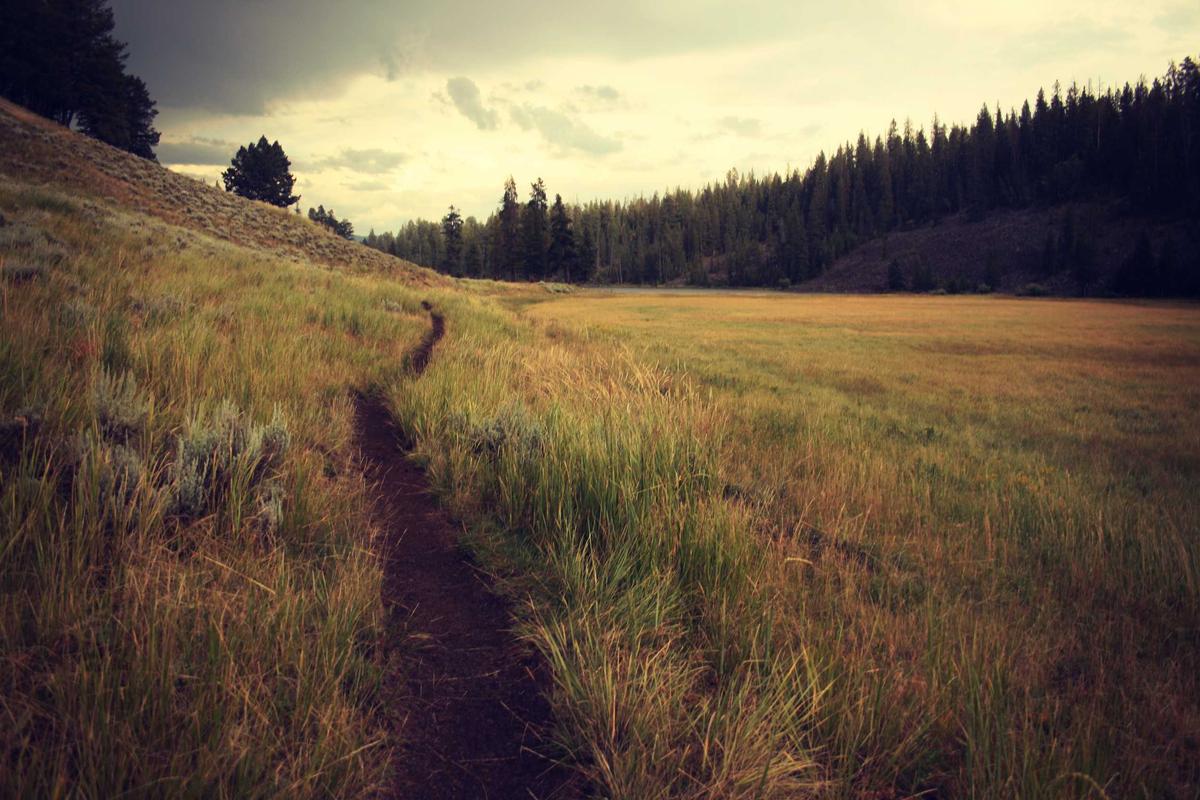
And now this. The remains were stumbled upon by a hiker in a wooded area miles from where her car was found. The cause of death is yet to be confirmed, but the district attorney has confirmed the investigation is now a homicide. The quiet ache has become a shout.
What strikes me is the peculiar loneliness of this death. A woman who spent her days in a sterile lab, surrounded by microscopes and petri dishes, ends her life in the open, under a New Mexico sky. The contrast is brutal. She worked with life at the cellular level, and her own life has been reduced to a data point in a police report.
There is a cultural shift here, too. We have become a nation obsessed with missing persons cases, with the puzzle box of a life that disappears. But when the box is finally opened, we often find something far less tidy than we had imagined. The investigation now widens into the nature of her work. Was she a threat to someone? Did she know something she shouldn't? The facility she worked for has been tight-lipped, citing 'ongoing legal proceedings'. That silence itself speaks volumes.
For her colleagues, there is a peculiar form of guilt. They worked beside her, shared coffee and data, and then she was gone. Now, they must reconcile the memory of a living woman with the hard reality of a forensics report. The human cost of such a slow unraveling of truth is immeasurable.
Her family, meanwhile, have spent a year in a limbo that is uniquely American: the limbo of the disappeared. They have navigated a system that seems designed to exhaust them. Now, they have a body to bury, but the bigger question looms: why?
This is not a story about a crime. It is a story about what it means to be a single person in a sprawling world, a person whose existence can be erased so quietly and then found so accidentally. It is a story about the dignity of a life lived in the service of science, and the indignity of a death that makes headlines only because it is unresolved.
As the investigation widens, as detectives comb through phone records and bank statements, I hope they remember that at the centre of this is a woman who loved her work. She was a lab worker, yes. But she was also someone's daughter, someone's friend. And now, she is someone's case file. The shift from person to case is the most profound cultural change we face: the moment when a life becomes a story we consume.
I will be watching this story, not for the plot twists, but for the moments of grace. The way a family speaks of her. The way a colleague remembers her laugh. Because in the end, that is all that lasts. The investigation will close. The headlines will fade. But the hole she leaves in the world, that will remain.