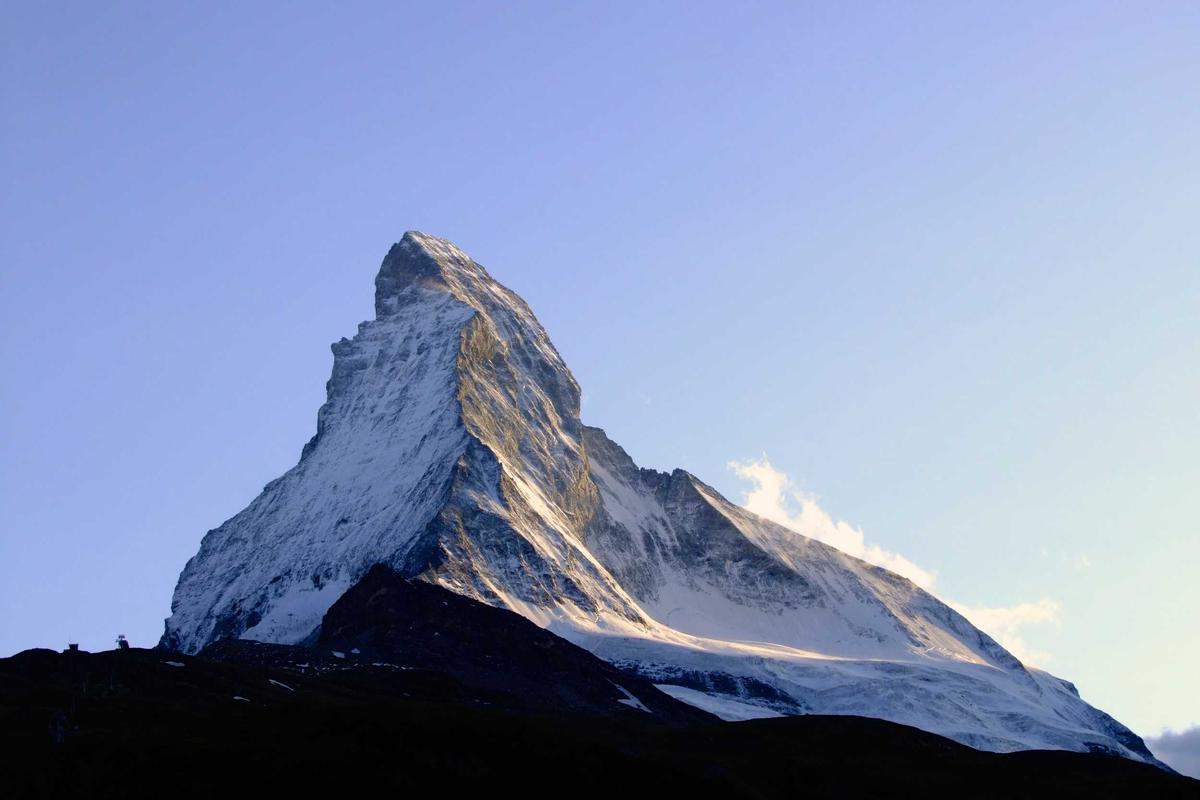
The news broke with the sort of triumphant headline that warms the cockles of a nation: a stranded Everest guide, plucked from the death zone after six harrowing days by a Royal Navy helicopter. A humanitarian triumph, the papers called it. And it is, of course. A life saved is a victory against the indifferent mountain. But as I read the accounts, I found myself less thrilled by the heroism and more haunted by the silent question that hangs over the thin air of Everest these days: how did he come to be there at all?
The guide, a Nepali national whose name has been rightly shielded from the glare of publicity, was left on the mountain after a sudden storm swept away his team's tents and supplies. For six days, he survived in the so-called death zone above 8,000 metres, where the body's cells begin to die. His rescue was a feat of extraordinary courage, involving a helicopter flight that few pilots would dare. The Royal Navy crew, training in the region, diverted from their exercises. They knew the odds. They went anyway. That is the kind of human grace that restores faith.
But one cannot escape the context. This is the spring climbing season on Everest, a time when the mountain becomes a carousel of guided expeditions, many of them staffed by local guides who carry the gear, fix the ropes, and make the summit possible for wealthy clients. These guides are the backbone of the Everest industry. They are also its most expendable asset. When things go wrong, as they did here, it is often the guide who is left behind while the clients are hurried down to safety. The economics of altitude are brutal. A client pays $50,000 for a summit attempt. A guide might earn $5,000 for the season. The disparity is not just financial; it is a matter of life and death.
The rescue itself, heroic though it was, raises uncomfortable questions about risk and responsibility. The guide was on the mountain without adequate backup. His team’s equipment failed. Why were they there at all in such marginal conditions? The answer lies in the relentless commercial pressure that has turned Everest into a bucket-list commodity. Every spring, dozens of expeditions queue for a weather window, often ignoring warnings from meteorologists and experienced Sherpas. The mountain is crowded, the margins are thin, and the cost of a mistake is measured in lives.
Yet the public narrative prefers the simple story: a brave rescue, a humanitarian triumph. And it is that. But we do a disservice to the rescued man and his colleagues if we do not also ask why he was alone up there for six days. The climbing community knows the truth: the guide was left because the logistics of rescue are expensive and dangerous, and because the economics of the mountain mean that guides are sometimes treated as secondary. The Royal Navy helicopter was a godsend, but it was also an exception. Most stranded climbers do not get such a cavalry.
What this story really tells us is that Everest is a mirror of our own society: a place where privilege buys safety, where the labour of the few enables the dreams of the many, and where heroism is required precisely because the system is broken. The guide will recover, physically, at least. But the psychological scars of being abandoned at 26,000 feet will take longer to heal. And the next time a storm hits the High Himalayas, the same questions will remain.
Perhaps the real triumph would be a mountain where no one needs to be rescued because the industry has finally realised that every life, guide or client, is worth the same. Until then, we celebrate the Royal Navy’s bravery and hope that the rescued man finds peace. But we should also remember that his six days alone on the roof of the world were made possible by a system that too often forgets the people who make the summit possible.