The streets of Madrid are a car park. Millions have descended upon the Spanish capital to catch a glimpse of the Pope, a spectacle that would have the Davos set choking on their oat milk lattes. The narrative of a post-Christian Europe, a continent shuffling towards secular irrelevance, has always been the delusion of a metropolitan elite.
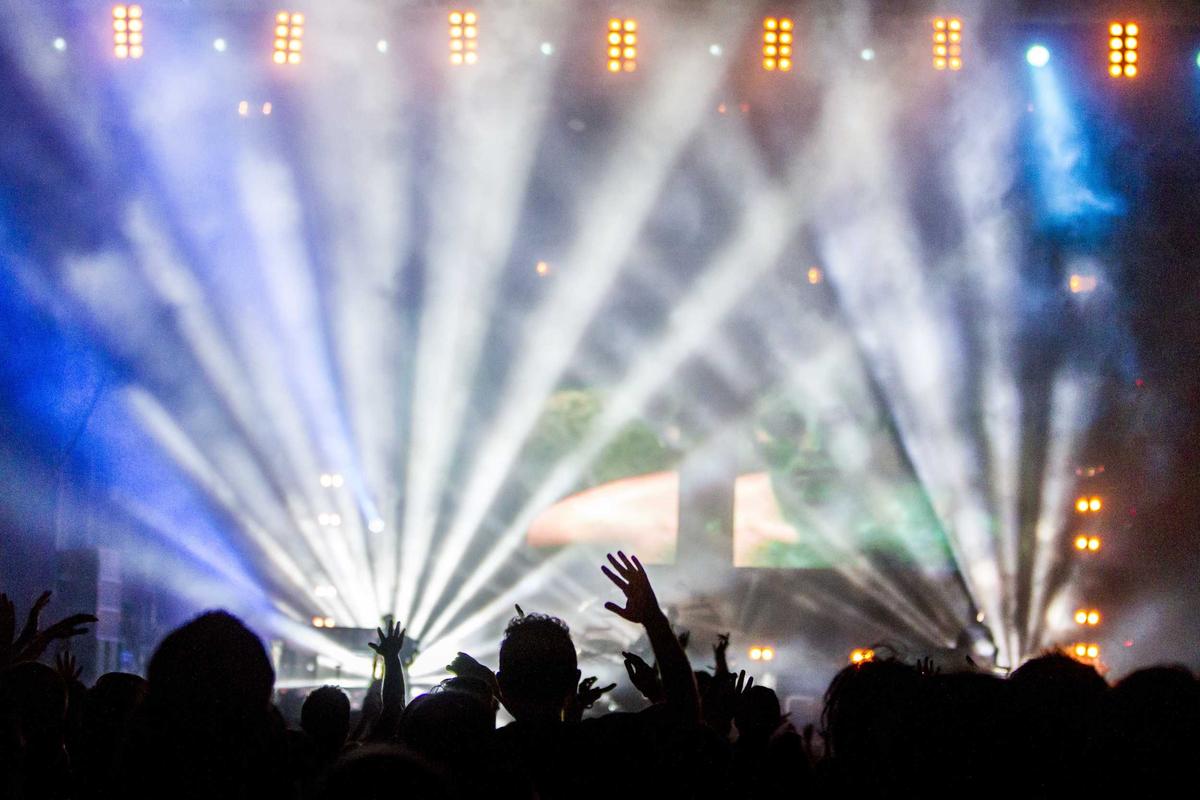
Look at the photographs from Madrid. Look at the sea of faces, the flag-waving throngs, the sheer kinetic energy of faith. This is not a funeral.
This is a coronation. While London debates the merits of gender-neutral pronouns and Paris burns over pension reform, here is a counter-signal, a reminder that the old gods—or rather, the one God—still commands a loyalty that no bureaucracy in Brussels can muster. We are told that Europe is a museum, a theme park of secular humanism.
But museums are quiet. The crowd in Madrid is anything but. This is the sound of a civilisation refusing to accept its own obituary.
The Pope is not merely a religious leader; he is a living rebuke to the technocratic vacuity of the modern project. He stands for a vision of humanity that is not reducible to GDP growth or carbon targets. He speaks of sin and redemption, of eternal truths that make the hustings of national politics look like squabbles over deck chairs.
And the people are listening. The sheer scale of this event should terrify the secular establishment. It suggests that the heart of Europe has not been won over by the ideology of progress.
It beats instead to a different rhythm, one that sounds suspiciously like the medieval chants our elites thought they had silenced forever. Madrid may be gridlocked today, but the traffic jam is a metaphor. The European project, as currently constituted, is heading nowhere.
The crowds in Madrid are heading somewhere, and they are taking the eternal city with them.