David Hockney is the artist who made us look again. At a swimming pool, a simple chair, a Yorkshire lane in spring. For seven decades he has painted the world as he sees it, boldly, joyfully, without apology for its beauty.
But his legacy is more than the sum of his canvases. It is a cultural shift: the moment a painter became a celebrity, a gay icon, a national treasure. Hockney's work is in our collective memory.
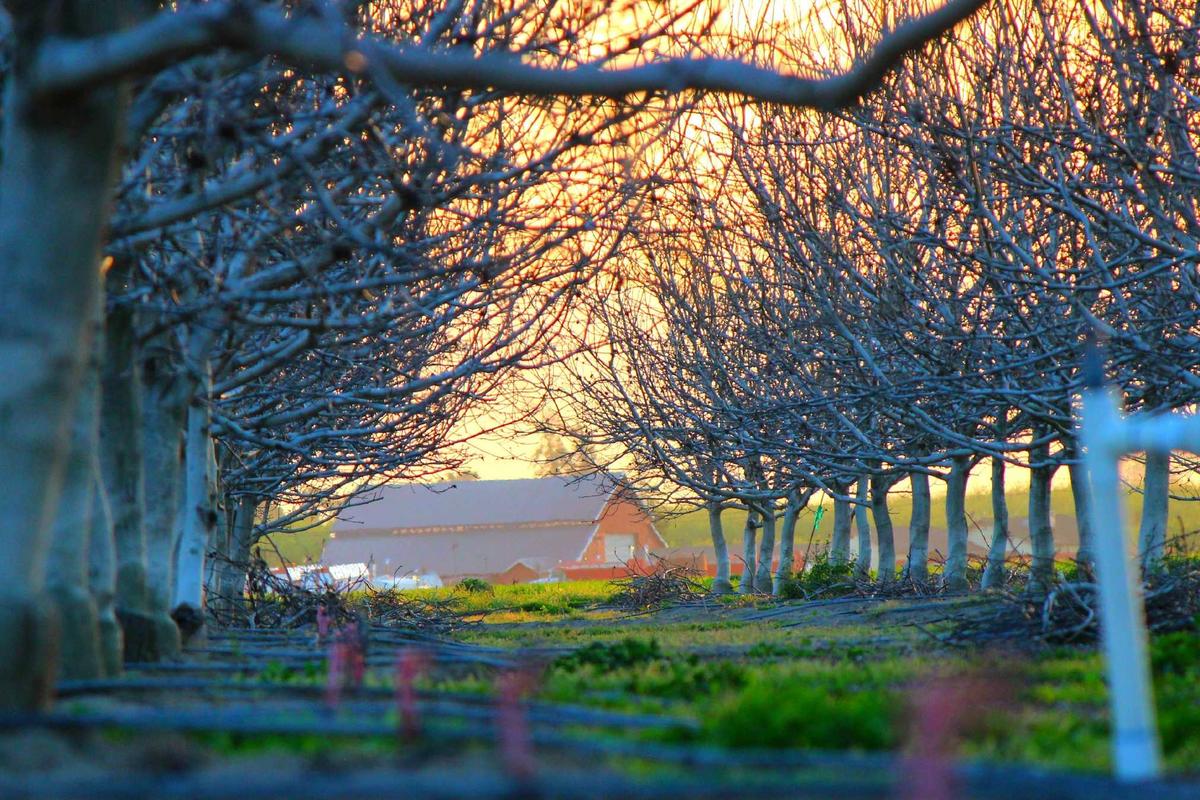
Think of A Bigger Splash and you think of California, of a certain kind of sun-drenched, mid-century yearning. Think of his Yorkshire landscapes and you recall the green and gold of England, the way light falls on a field. He is the nation's greatest living painter partly because he has made us feel that these images belong to us.
But there is a human cost to this fame. The boy from Bradford who left for Los Angeles never quite escaped the weight of expectation. His private life, his relationships, his struggles with hearing loss: these have become part of his story.
Yet Hockney's triumph is that he has always insisted on the primacy of looking. His iPad drawings, his operatic sets, his endless experiments with perspective: they are all proof of a restless intelligence. On the street, people know his name.
Why? Because he made art feel personal. In an age of irony and distance, Hockney remains unashamedly sincere.
That is his legacy.