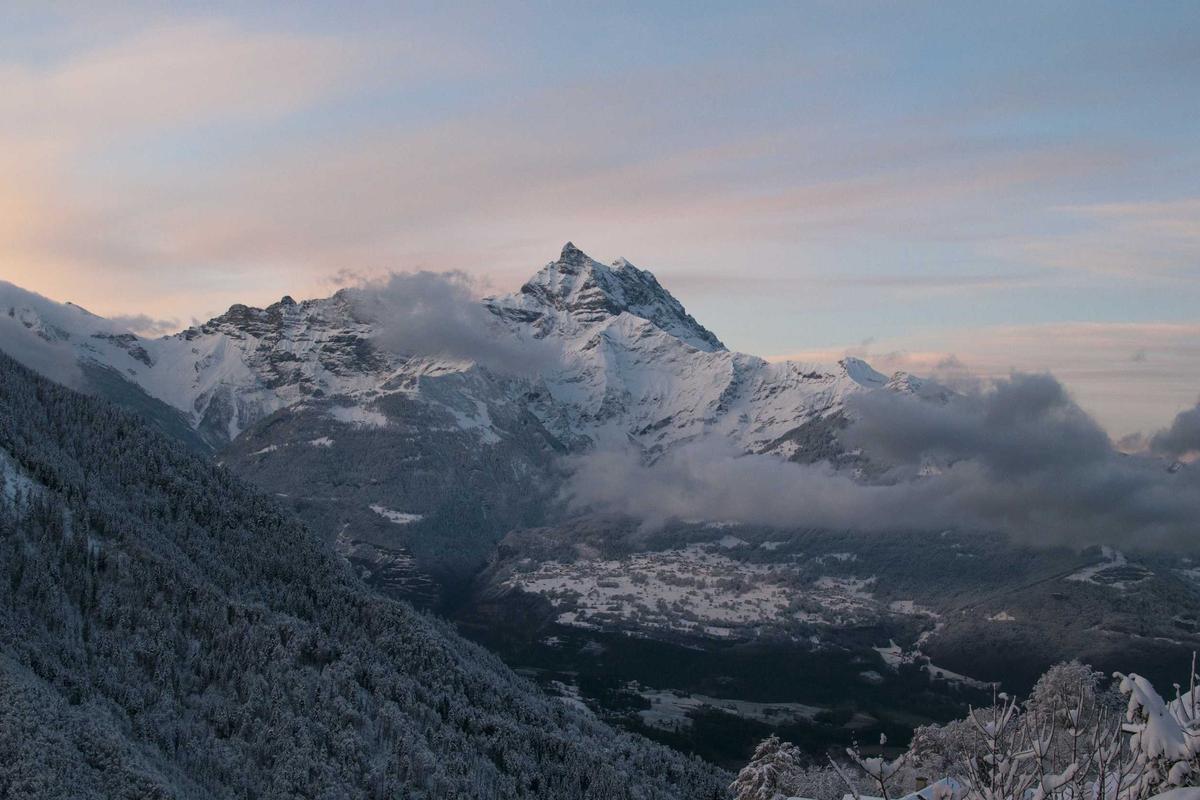
When Gelje Sherpa was reported missing on Everest last Tuesday, the mountain added another name to its ledger of the lost. For three days, the search teams scoured the Khumbu Icefall and the Western Cwm. The British climbers he had been guiding, a group of six from Surrey, waited in Base Camp with the hollow dread that has become routine in the Death Zone. Then came the call that made even the most hardened expedition doctors blink. Gelje had walked himself out. Alone. With a shattered oxygen mask, frostbitten fingers, and the kind of resolve that makes you question what we think we know about human endurance.
This is not just a story of survival. It is a story of the unspoken hierarchy of disaster on Earth’s highest peak. When a Western climber is lost, helicopters fly and social media rallies. When a Sherpa vanishes, the search is often a grim formality. Gelje’s self-rescue, a 48-hour crawl from 7,900 metres to Camp 2, has been called a miracle. But it is also a brutal reminder of the risks that are routinely shouldered by the men who fix the ropes, carry the oxygen, and hold the hands of terrified clients. The British team, relieved and tearful, will fly home with a story of luck. Gelje will return to the mountain next season. The system that put him in harm’s way remains unchanged.
The victory narrative, so beloved of the climbing press, obscures a deeper cultural shift. Sherpas are no longer the silent porters of colonial imagination. They are forming unions, speaking to journalists, and demanding better insurance. Gelje’s survival is being framed as a testament to individual grit. But the real story is the collective endurance of a community that has become essential to the Everest industry, yet is treated as expendable. The British climbers’ relief is genuine. But let us not mistake it for justice. Until the risks are shared equally, the miracle is simply one man’s refusal to die for a foreigner’s dream.