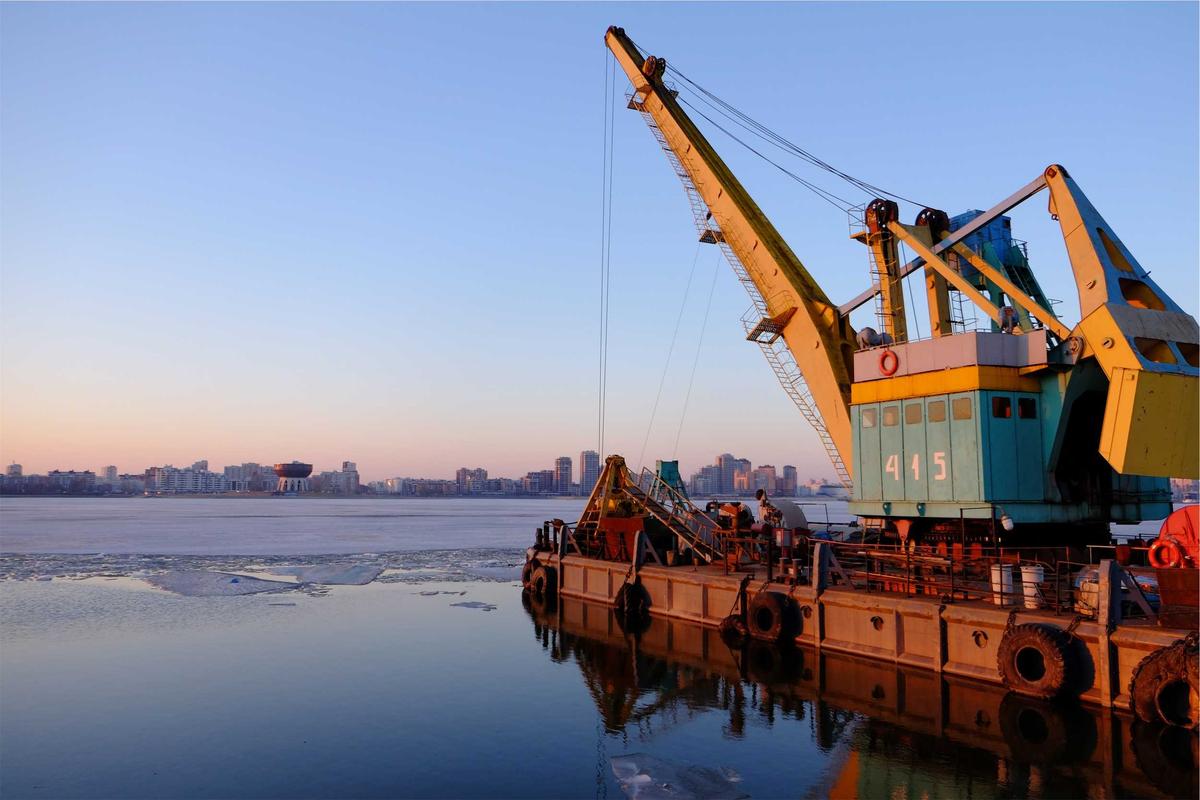
The news is grim but unsurprising. The United Kingdom has issued a stark warning about instability in the Gulf as President Trump and Iran escalate their brinkmanship. One might say that the world’s attention is fixed on the Strait of Hormuz, where oil tankers now slink past like nervous prey.
But beneath the surface of this latest confrontation lies something far more troubling: the slow, creaking return of great power tribalism. We have been here before. The parallels with the July Crisis of 1914 are not merely academic; they are a mirror reflecting our own intellectual and political decadence.
In 1914, Europe sleepwalked into catastrophe. Today, the West seems content to stumble into a similar abyss, convinced that its technological superiority will somehow spare it the consequences of its own folly. The British warning is a clarion call, but who is listening?
The Foreign Office’s statement was measured, almost plaintive: diplomats in London are deeply concerned. And well they should be. For the Gulf is not merely a waterway; it is the circulatory system of global energy, and the earth’s climate change has made it even more vital.
Trump’s maximalist pressure campaign against Iran, a policy of economic strangulation combined with military posturing, is a strategy that could have been lifted from the Victorian playbook of gunboat diplomacy. But the world has changed. Iran is not some decrepit empire of the nineteenth century; it is a sophisticated, proud, and cunning adversary.
It has proxies in Yemen, Syria, Lebanon, and Iraq. It has mastered the art of asymmetric warfare. And it knows that time is on its side.
The real tragedy here is the intellectual failure of our ruling classes. They insist on viewing Iran through the lens of a binary: either you are a terrorist-supporting rogue state or a potential partner for peace. They forget that nations, like men, act out of interest and fear.
They forget that the pursuit of national prestige can be as potent a force as any economic calculus. The British warning, then, is a canary in the coal mine. It is a recognition that the game is heating up, that the margins for error are shrinking.
But the deeper problem remains: we have lost the art of diplomacy. We have replaced nuanced statecraft with Twitter tirades and sanctimonious press conferences. We have forgotten how to negotiate without the threat of bombs.
And we have traded the patient virtues of empire for the frantic hysteria of social media. The Gulf crisis is a symptom of a broader rot: the collapse of the liberal international order, the death of strategic thinking, and the rise of a new tribalism that pits ‘us’ against ‘them’. If we are not careful, we will stumble into a war that no one wants and from which no one can escape.
The ghosts of 1914 are watching, and they are laughing.