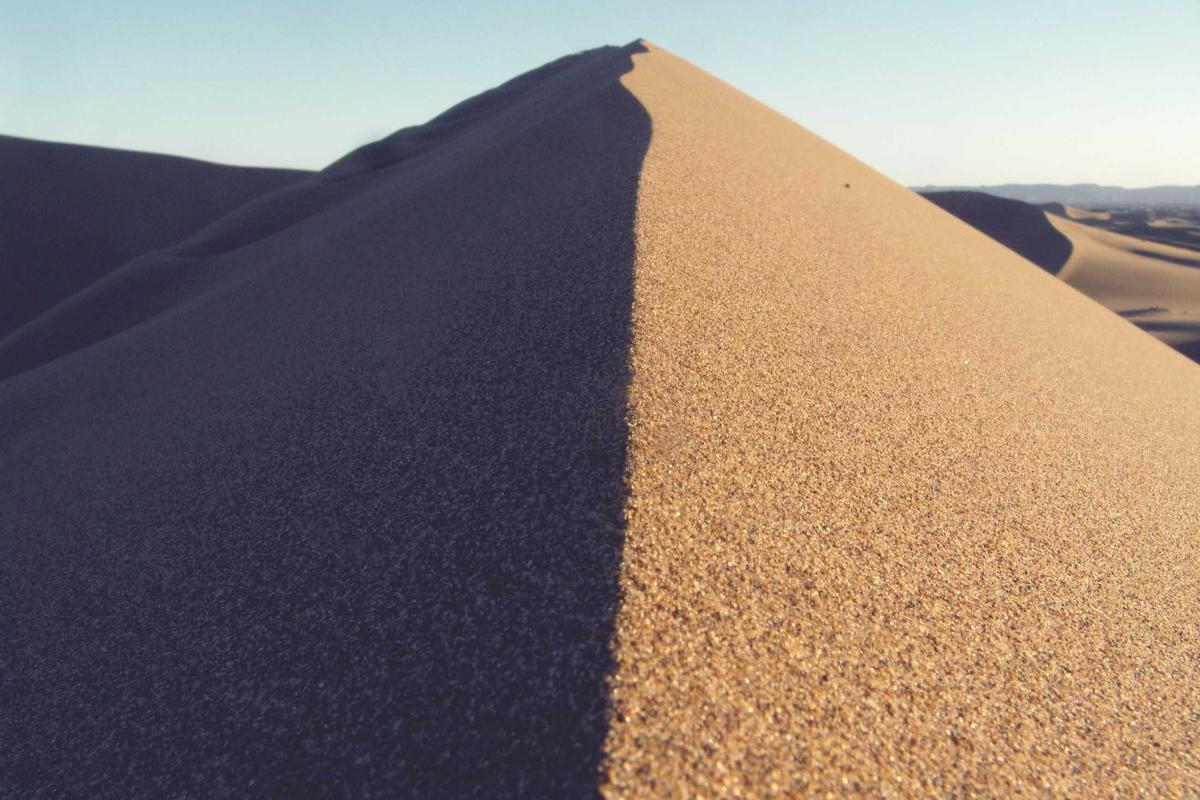
In the scorching heat of the Balochistan desert, a new breed of daredevil has emerged: not soldiers, not terrorists, but ordinary Pakistanis on motorcycles, smuggling Iranian fuel across a border that exists only on paper. They call themselves ‘petrol walas,’ and their trade is a desperate response to crippling fuel prices back home.
I met one such rider, 22-year-old Rashid, at a makeshift camp near Taftan. His face was wrapped in a dusty keffiyeh, his hands calloused from gripping throttle and handlebars. Behind him, a dozen other bikes idled, their tanks and jerrycans full of cheap Iranian petrol. ‘We ride at night,’ he told me, ‘the heat is less, but the bullets fly more.’ He laughed, but his eyes didn’t.
The route is brutal: 200 miles of rutted tracks, past border posts manned by sleep-deprived guards, and through territory where bandits hold as much sway as the state. A puncture at high speed means a crash. A checkpoint means either a bribe or a bullet. Yet these bikers, some as young as 16, do it for the equivalent of £50 a trip. That’s a fortune when official petrol costs three times as much.
What drives them? Pure economic necessity. Pakistan’s inflation is rampant; fuel subsidies were cut as part of an IMF bailout. The smugglers are not criminals in their own eyes, but survivalists. In the dusty towns of Quetta and Khuzdar, their illicit fuel powers rickshaws, generators, and even hospital ventilators. The government turns a blind eye, caught between international pressure to stem the flow and the domestic reality that without it, the economy would seize.
There is a bitter irony here: the same border that Indian and American drones guard for ‘terrorism’ is now a lifeline for people who just want to drive to work. One petrol wala told me, ‘The world calls us smugglers. We call ourselves fathers.’ It is a stark reminder that in the war between ideology and survival, survival often wins.
But this is not a romantic Robin Hood story. The bikers face violence from all sides. Iranian border guards shoot on sight. Pakistani police confiscate bikes and beat riders. And there are whispers of a darker trade: that some bikes carry more than fuel, that the same routes are used for heroin and Kalashnikovs. The petrol walas insist they are clean, but in a lawless zone, who can be sure?
As I left, Rashid’s phone buzzed. A message from his wife: ‘Be careful. The baby has a fever.’ He pocketed it, kick-started his bike, and vanished into a cloud of dust. The border waited. So did the bullets.