In what might be the most explicitly personal branding of a nation's identity since the British monarchy stamped their faces on currency, the United States has announced that Donald Trump's face will appear on US passports to mark the country's 250th birthday. It is a decision that has sparked fierce debate, not just about the man himself but about what signals America wants to send to the world. On the streets of London, the reaction has been as mixed as the tea at a diplomatic reception.
Walking through Covent Garden, I spoke to Sarah, a British expat who has lived in New York for years. She was booking flights home, clutching an American passport. 'It feels odd, like a corporate takeover of identity,' she said. 'A passport is supposed to represent the nation, not a political figure.' Her sentiment echoes a broader unease. Passports are documents of statehood, not personal tribute. Yet here we are, with the former president's visage joining the ranks of other historical icons on official documents.
The cultural shift is significant. Unlike the UK, where royal imagery on passports is centuries-old tradition, the US has historically avoided living leaders on currency or documents. The move breaks that norm, elevating Trump to the status of a founding father, at least in symbol. For supporters, it is a fitting tribute to a transformative presidency. For critics, it is an unsettling reminder of the erosion of institutional neutrality.
Class dynamics play a role too. In the US, Trump's base is largely working-class and rural, those who feel left behind by globalisation. This passport change is a nod to them, a recognition that their champion now represents the nation abroad. On the other hand, urban elites and international business travellers may find it a source of embarrassment. The passport, once a neutral key to the world, now carries a political statement.
The human cost is subtler. For dual nationals, like many Brits in America, the document may now feel like a declaration of allegiance. Imagine a British-American handing over a passport with Trump's face at a border in Europe. The reaction from customs officials might shift. It adds a layer of personal symbolism to an already bureaucratic process.
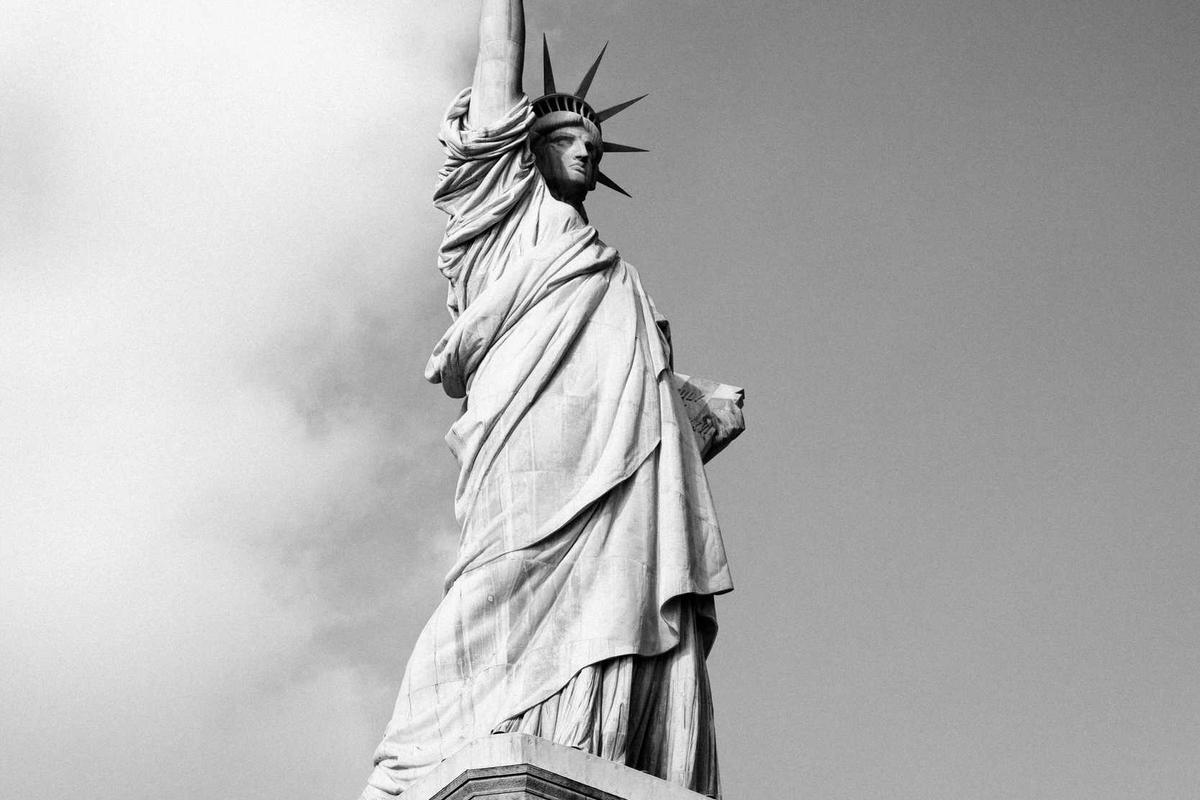
There is also the question of legacy. Other nations have after all used living figures on passports. But the US has always been exceptional in its symbolism. The Statue of Liberty, the eagle, the flag: these are the motifs of the republic. Now a single politician joins them. Whether this marks a permanent change or a one-off commemoration remains to be seen.
On social media, the hashtag #PassportFace was trending within hours. Memes comparing the design to a driver's licence photo circulated. But behind the jokes lies a serious question about national identity. Is America a concept or a person? For the next decade at least, it seems, the answer will be handed to every traveller at the airport counter.
As I watched a man at St Pancras glance at his new American passport with a wry smile, I wondered what his children would think when they inherit it. Would they see it as a historic curiosity or a political statement? The 250th birthday was supposed to be a celebration of the nation. Now it is also a celebration of a man. That is the cultural shift we are living through.