As the mercury rises, so does a familiar anxiety among British holidaymakers: the scramble for a sun lounger, the queue for tapas, the gridlock on the Costa del Sol. This year, the fear is not just about a missed margarita. The balmy forecast of a record-breaking summer for Spain’s tourism industry has brought with it a stark warning: overtourism is no longer a whispered concern on forums; it is a lived reality for those on the ground. And for Britain’s own hospitality sector, the domino effect is already being felt.
For years, the narrative has been one of two halves: the British love affair with the Spanish sun, and the slow, grinding struggle of our own seaside towns to reclaim their glory. But this summer, the story is flipping. The sheer volume of visitors descending on Barcelona, Majorca and the Canary Islands has reached a tipping point. Local residents in Palma have taken to the streets, not to welcome tourists, but to protest the erosion of their communities. Rent prices have soared beyond the reach of locals. Public spaces groan under the weight of selfie sticks and suitcases. The very fabric of these destinations is fraying.
And yet, the British continue to book. Package holidays to the Balearics are up by 12 per cent on last year, according to early data from travel associations. But here is the twist: a significant portion of that demand is now spilling over into domestic breaks. With flights and accommodation in Spain becoming more expensive and less appealing due to crowds, many are turning their gaze to Cornwall, the Lake District and the Scottish Highlands. The result? A boom for British hospitality that is as sudden as it is precarious.
Pubs, B&Bs and country house hotels up and down the land are reporting a surge in advance bookings for July and August, with some small establishments already at capacity. In St Ives, the owner of a beachside café told me she has never seen such a flurry of early summer reservations. It should be a moment of triumph. But beneath the surface, there is a quiet panic. The workforce that is supposed to staff these venues is still haemorrhaging. Brexit and the pandemic have left a gaping hole in the labour market, and the rise in domestic demand is exposing just how fragile our own hospitality ecosystem has become.
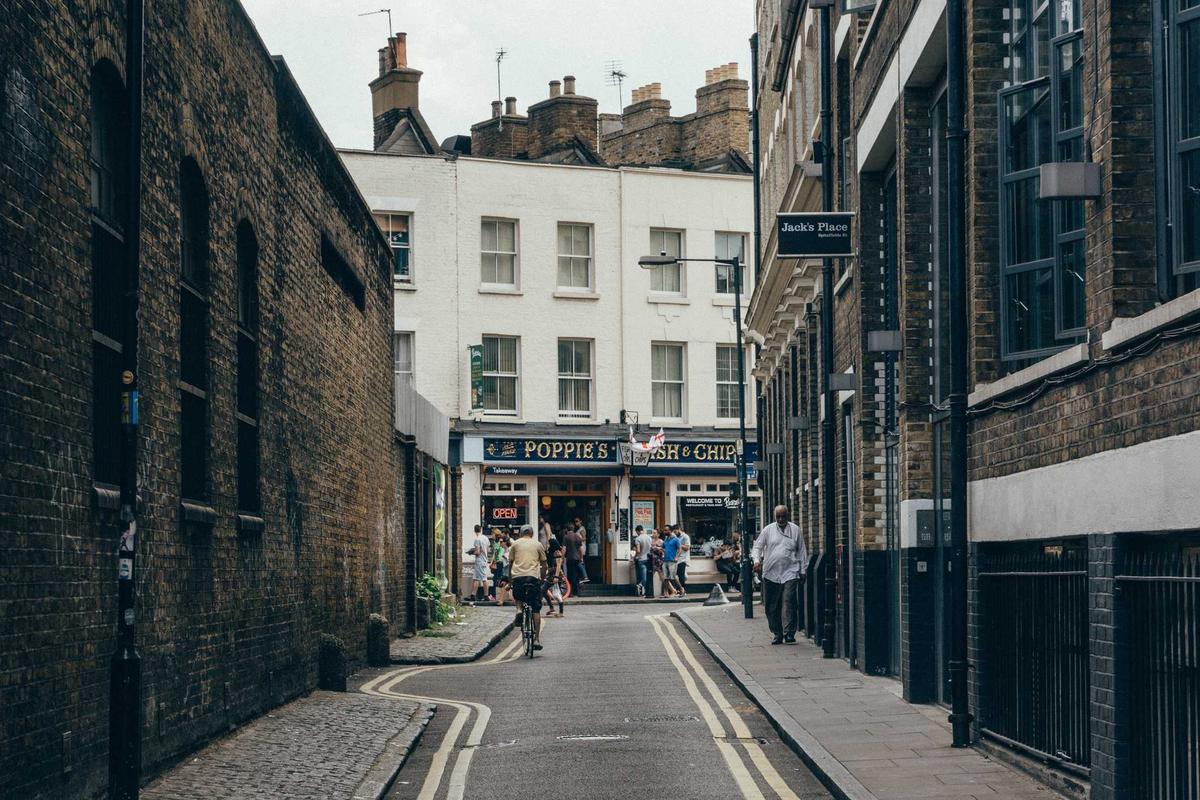
What we are witnessing is a great rebalancing, but not necessarily a healthy one. Spain’s overtourism is pushing people back to our shores, but the infrastructure to welcome them is crumbling. Staff shortages mean reduced opening hours in Devon, higher prices in the Cotswolds, and a palpable tension between the desire for a vibrant summer season and the reality of overstretched resources. There is a cruel irony in watching a British seasider struggle to find a table for fish and chips while, a thousand miles away, a Mallorcan resident cannot afford to live in their own hometown.
This summer, then, is a test. For the British hospitality sector, the sudden spotlight offers a chance to prove its resilience. But for the ordinary person on the street, whether in Benidorm or Brighton, the lesson is clear: the pursuit of leisure has a human cost. And we are only just beginning to count it.