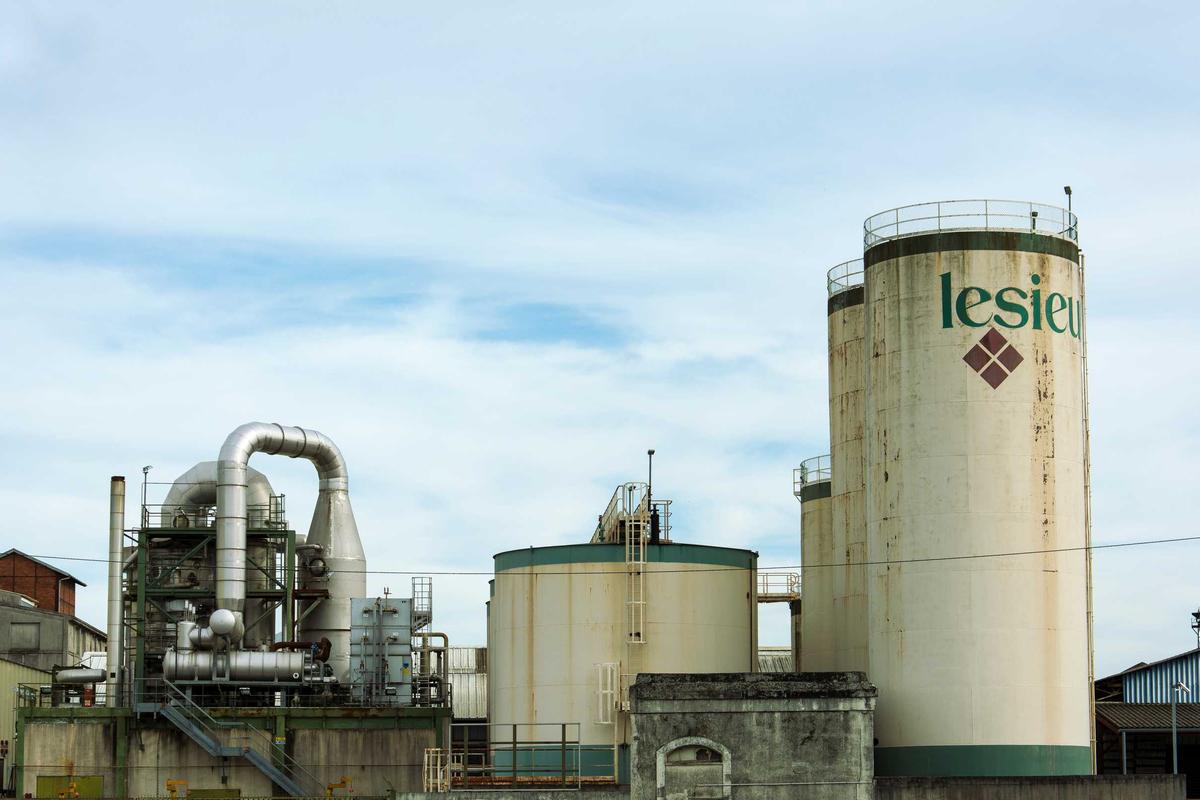
The news that the UK has backed US sanctions on a Rwandan gold refinery might sound like a dry diplomatic manoeuvre to most. But for those of us who watch the glittering trail of conflict minerals, it is a moment of rare accountability. The refinery in question, African Gold Refinery, is accused of funnelling gold from smuggled Congolese ore, a trade that has fuelled decades of bloodshed in the eastern Democratic Republic of Congo. This is not just about trade policy. It is about the human beings whose lives are ground down in the scramble for precious metals.
In the smart cafes of London and the jewellery districts of Hatton Garden, we rarely think of the provenance of a wedding ring or a smartphone component. Yet the gold that ends up in our pockets often begins its journey in hand-dug mines in provinces like South Kivu and Ituri, where armed groups extort miners and pillage the earth. The UN estimates that over 90% of eastern Congo's mineral wealth is smuggled out, with Rwanda as a primary transit point. This is not a new story, but the sanctions represent a pivot: the UK, often a passive observer in African resource politics, is now taking a side.
For the people on the ground, this is about more than corporate accountability. In the bustling market of Goma, a city that has known war and eruption, a gold trader told me last year that 'the gold is like a curse. It makes the men of the guns rich, and the rest of us poor.' The sanctions will not end the violence overnight, but they create a paper trail that makes it harder for refined gold to reach European markets. It is a nudge towards ethical sourcing, albeit a late one.
Culturally, this marks a shift in how we commodity suffering. We are becoming more aware, less willing to turn a blind eye to the cost of our comforts. But there is a risk of performative justice: sanctioning a refinery while our pension funds still invest in mining conglomerates. The real test will be whether this action prompts a broader crackdown on the entire supply chain, or if it becomes a symbolic gesture that allows the rest of the trade to continue unblemished.
On the streets of Kigali, the sanction is seen as an unfair targeting of Rwandan success. The country has built a reputation for stability and efficiency, and its leaders bristle at accusations of complicity. Yet the evidence, from UN reports and investigative journalists, is hard to dismiss. The refinery's denial of any wrongdoing is predictable. But the burden of proof now shifts: if Rwanda wants to be a regional hub for legitimate trade, it must show that its refineries are clean.
This is a story about the invisible infrastructure of our desire. We want cheap electronics and beautiful jewellery, but we do not want to see the hands that dig. The UK's backing of these sanctions is a small step towards making those hands visible. But it is only a step. The real work lies in the mines, where the cost of a single ounce of gold is measured in human lives. And until we reckon with that cost, our trinkets will never be truly precious.