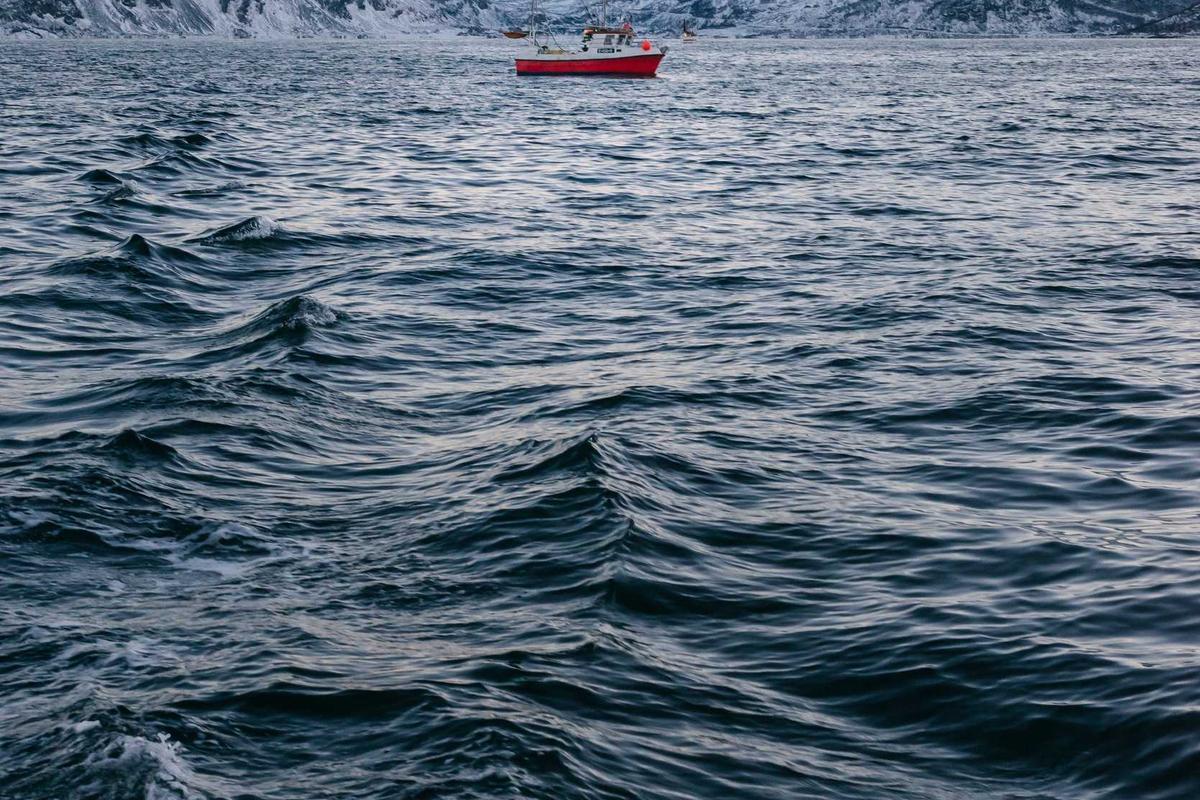
The MV Rachelle has been impounded. Its passengers, a disparate crew of humanitarians and provocateurs, are now scattered. Some back home, some behind bars. But the story of the Gaza flotilla is not over. It has merely shifted its course, from the waters of the Mediterranean to the muddy terrain of public opinion.
Israel's decision to deport the activists, swift and uncompromising, was a pragmatic move. But in the theatre of modern diplomacy, pragmatism often reads as coldness. The images of handcuffed men and women being led from the ship, their banners confiscated, their phones silent, have already begun to circulate. On social media, the narrative is being written in real time, and it is not kind to Jerusalem.
The flotilla itself was a calculated provocation. A floating protest against the blockade, it aimed to spotlight the human cost of a conflict that has long since left the front pages. But for the activists now detained or deported, the cost is personal. Families left behind. Jobs lost. A country that views them as pawns in a larger game. There is a quiet dignity in their accounts, but also a weary acceptance: they knew the risks.
On the streets of Gaza, where the flotilla's aid was meant to go, the reaction is muted. The blockade continues. The shortages persist. The flotilla was a gesture, not a solution. But gestures have consequences. And the diplomatic backlash that Israel now faces, from Turkey to the United Nations, is a reminder that in the global village, nothing is forgotten.
What strikes me most is the cultural chasm. The flotilla activists speak of solidarity and human rights. The Israeli government speaks of security and sovereignty. Both are using the same word, justice, but it means something different on each side of the wall. For the average Israeli, the flotilla is a nuisance, a piece of activist theatre that risks legitimising a hostile regime. For the average Gazan, it is a rare glimpse of a world that cares.
And yet, in the cafes of Tel Aviv and the kitchens of Ramallah, people are asking the same question: what next? The flotilla has failed to break the blockade. The diplomats will huff and puff. But the real shift is happening elsewhere. In the hearts of young people, who see these activists not as martyrs or fools, but as ordinary people who tried to do something. And in that, perhaps, lies the most potent change of all.
Clara Whitby, Culture & Society Editor