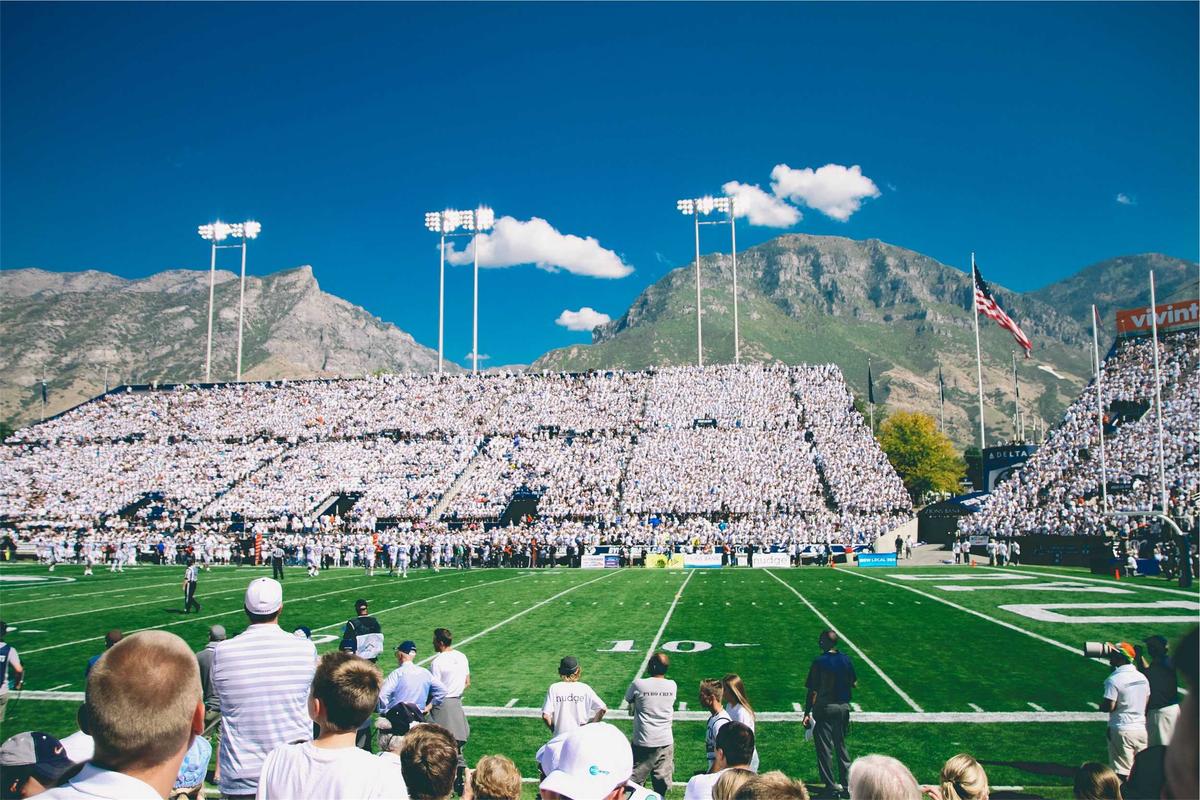
The US travel restrictions are causing chaos. Thousands of fans now find their World Cup dreams crushed. This is not just a logistical nightmare. It is a direct hit to the bottom line of an event already bleeding costs.
The numbers are stark. Estimates suggest the ban could reduce tourist spending by 15 to 20 per cent. For a tournament already criticised for its pricey tickets and expensive accommodation, this is unwelcome news. Hotels in host cities are reporting a sharp rise in cancellations. The hospitality sector, which had been banking on a bumper summer, now faces a potential capital flight. Investors are watching the yen and dollar fluctuate. The uncertainty is palpable.
Yet there is a deeper financial story here. The long-term impact on brand value and future bidding wars. The World Cup relies on a halo effect: a global audience, sponsorship appeal, and fan engagement. If a significant bloc of supporters cannot attend, the broadcast rights and lucrative partnerships start to look less appealing. The market is pricing in this risk. Gilt yields in emerging markets that had hoped to host future events are likely to rise. Governments will have to pay more to borrow, diverting funds from infrastructure projects.
The fan fury is understandable. But from the vantage point of a City desk, the real story is the inefficiency of a government policy that damages its own economic interests. The travel ban may be popular in some quarters, but its economic consequences are out of proportion. A rational Treasury would calculate the lost tax revenue versus any perceived security gain. The numbers do not add up.
Central banks may have to step in if volatility spikes. The Federal Reserve could face pressure to adjust its rhetoric to soothe markets. But that is a short-term fix. The structural problem remains: a government that does not understand the value of free trade in tourism. This is a classic case of political capital trumping economic sense.
In the end, the blocked passes are not just a problem for fans. They are a problem for the entire business model of international sport. The market will punish this move. It already has begun. The only question is how deep the cuts will go.