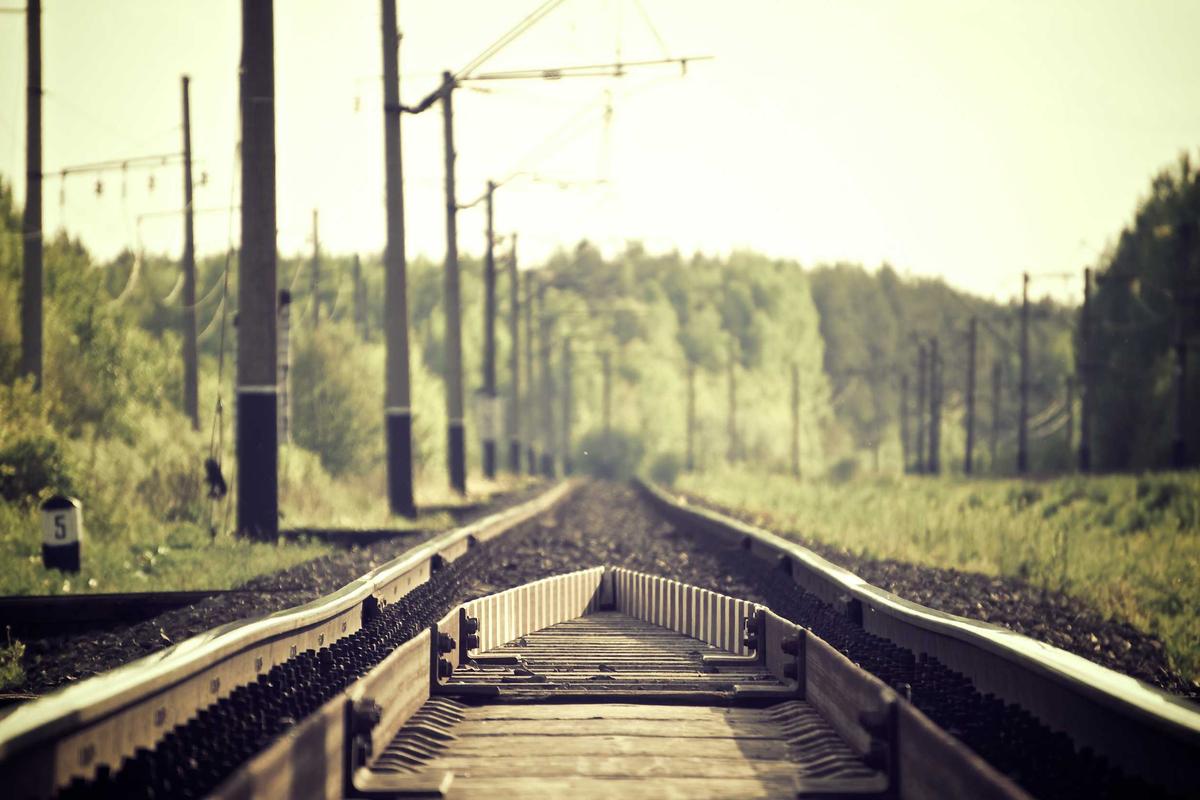
At first glance, the Irish government’s commitment of £197 million to cross-border rail infrastructure reads like a dry Treasury spreadsheet. A figure. A pledge. A ministerial handshake. But strip away the jargon, and what you have is a story about human geography: the quiet, daily crossings of people who live their lives astride a political faultline.
This is not just about faster trains from Belfast to Dublin. It is about the woman from Newry who commutes to a Dublin hospital for cancer treatment. The student from Dundalk who studies at Queen’s University. The families split by a border that is both invisible and deeply felt. The money will upgrade the Belfast-Dublin Enterprise line, improve connectivity to Derry, and, according to the Irish government, “unlock economic potential”. But the real unlock is social: a shrinking of the psychological distance between Northern Ireland and the Republic.
For decades, the border was a scar. Checkpoints, delays, suspicion. The Good Friday Agreement softened it, but Brexit re-hardened the edges. Now, with the UK and Ireland both seeking to repair relations, this investment is a tangible gesture. It says: we are still moving towards each other.
Yet there is a class dimension often missed in the grand talk of “connectivity”. Who benefits most from a shiny new rail link? The professional classes, already mobile and confident. The consultant in Belfast who can now zip to Dublin for a meeting. The tech worker in Dublin eyeing cheaper housing in the north. But what about the rural poor, the ones who rely on buses that run once an hour, if at all? The railway does not reach their doorsteps. The phrase “levelling up” is used loosely here, but without bus connections and local transport integration, the railway becomes a ribbon of privilege.
And then there is the cultural shift. A train line is never just steel and sleepers. It is a thread that weaves communities together. The Belfast-Dublin line has long been a symbol of reconciliation, a moving space where politicians and ordinary people share a carriage. Increased frequency and reliability mean more accidental encounters, more small talk across the aisle. Slowly, the border becomes a commuter route rather than a boundary.
Of course, £197 million is a lot of money in a time of housing crises and healthcare underfunding. Critics will ask: is this the best use of resources? But infrastructure is a long game. The Romans understood this. The Victorians understood this. We, in our short-term election cycles, often forget. This investment will not yield a dividend in a year. It will yield a dividend in a generation of children who grow up thinking of the island as a single place, not two territories awkwardly joined.
So watch the trains. Watch who boards, where they get off, and what they carry. That is the real story. The human cost of division, and the hopeful, costly work of stitching it back together.