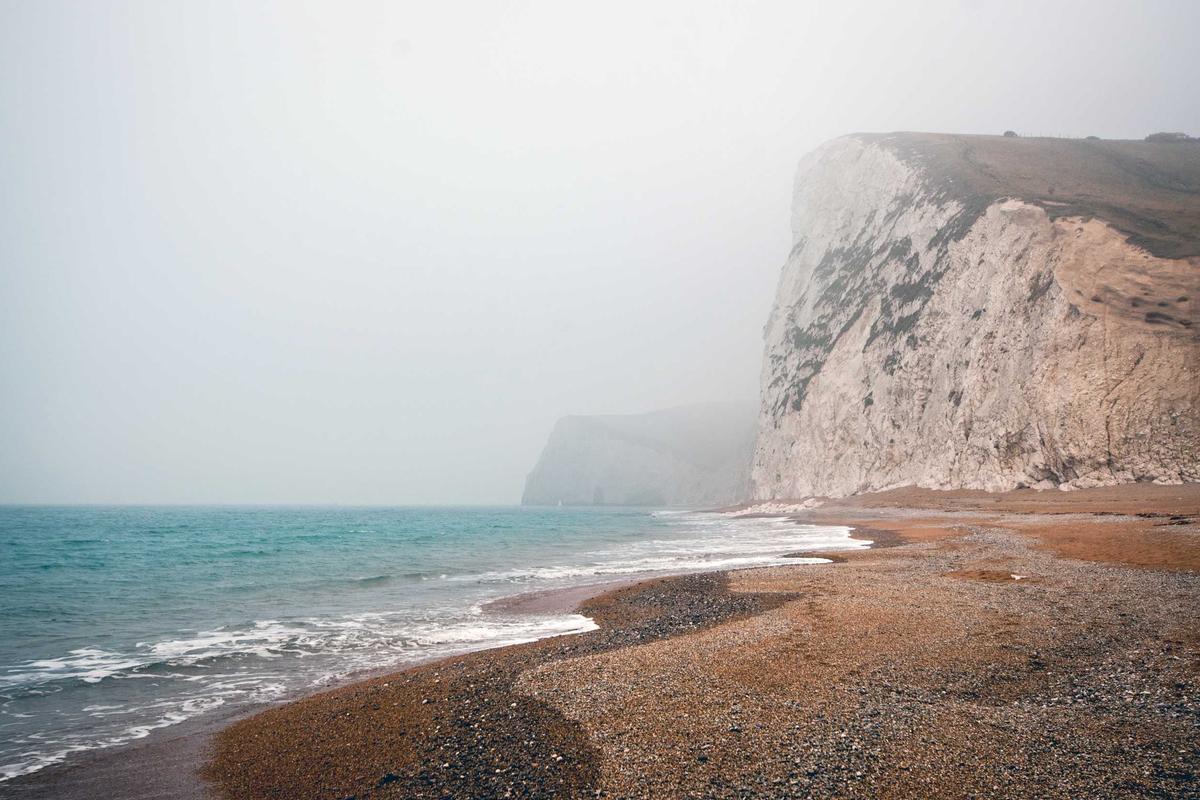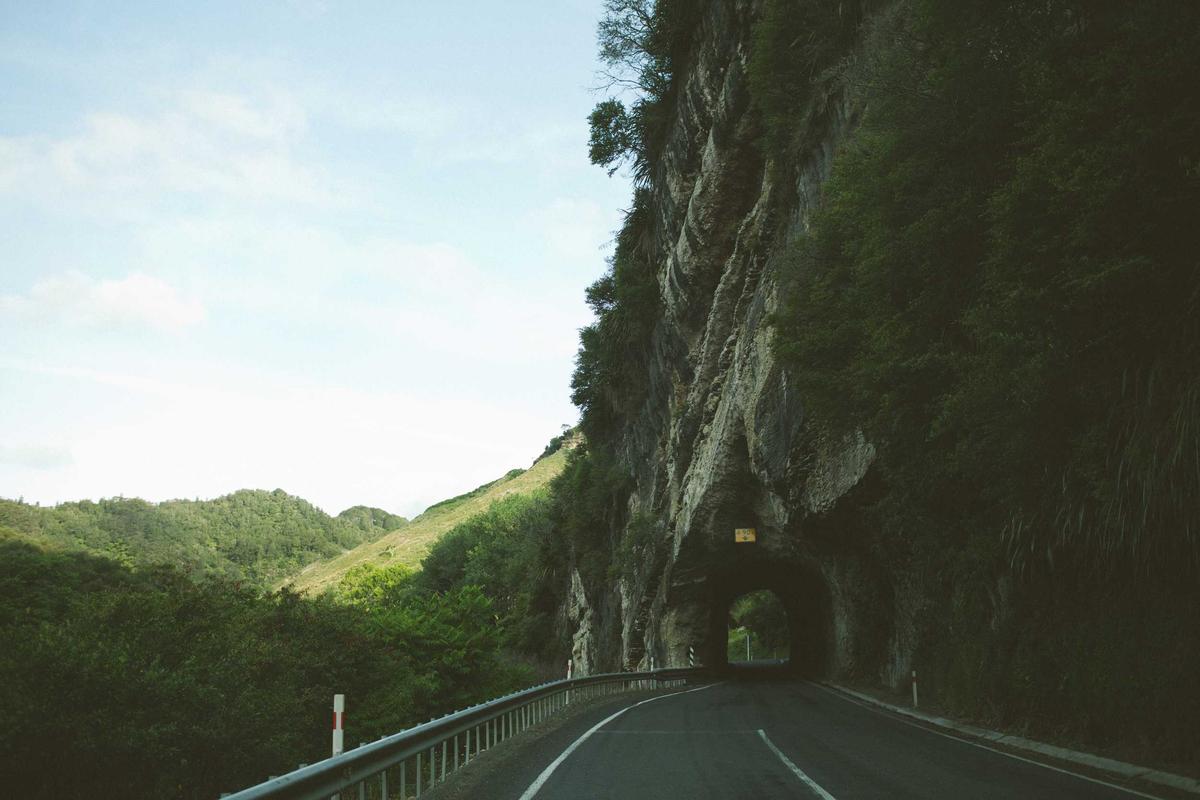
For a certain stripe of British tourist, the name ‘Hel’ conjures up an image of a windswept Polish peninsula, a place of amber beaches and pine forests, not eternal damnation. Yet the recent revival of a bus service officially dubbed the ‘Highway to Hel’ has stirred an unholy row. The route, cut during the pandemic, now runs again from the city of Gdansk to the coastal resort of Hel, carrying passengers through a landscape that feels both mundane and faintly apocalyptic.
The controversy, predictably, is not about damnation but about disruption. Local residents in the villages along the route complain of noise, congestion, and the occasional party bus crowd spilling out at unsociable hours. ‘It’s like the worst of Ibiza without the sun,’ one elderly woman told a Polish newspaper. Meanwhile, British tourists, lured by cheap flights and the darkly humorous name, are booking tickets in increasing numbers. The bus company, PKS Gdansk, has defended the service, citing strong demand. ‘It is a joke name, yes, but the route is serious business,’ a spokesperson said.
What makes this a genuinely modern cultural flashpoint is not the name itself but what it reveals about the collision between local life and global tourism. The Highway to Hel has become a meme: Instagram posts of the bus stop appear alongside selfies of grinning Brits. But for Poles who remember the actual horror of the 20th century, the joke can feel tone-deaf. ‘Hel is a place of beauty and history,’ a travel blogger from Warsaw explained. ‘The Nazis and then the Soviets left their marks. To reduce it to a pun feels disrespectful.’
Yet the British appetite for the macabre seems undimmed. Tour operators report a spike in bookings, and the company is considering adding more departures. The route is a potent symbol of a post-pandemic world where travel is returning not just with enthusiasm but with a touch of the absurd. On the ground, the human cost is subtle: the waitress in Hel who has to endure another round of ‘so, is this hell?’ jokes, the farmer whose tractor gets stuck behind a throng of tourists photographing the bus.
The deeper cultural shift is this: we are all now tourists in someone else’s reality. The Highway to Hel, with its grim pun, is a reminder that even the most banal infrastructure can become a canvas for our collective anxieties and desires. For the British tourist, it is a cheap thrill. For the local, it is the slow erosion of the ordinary. The buses roll on, carrying both.
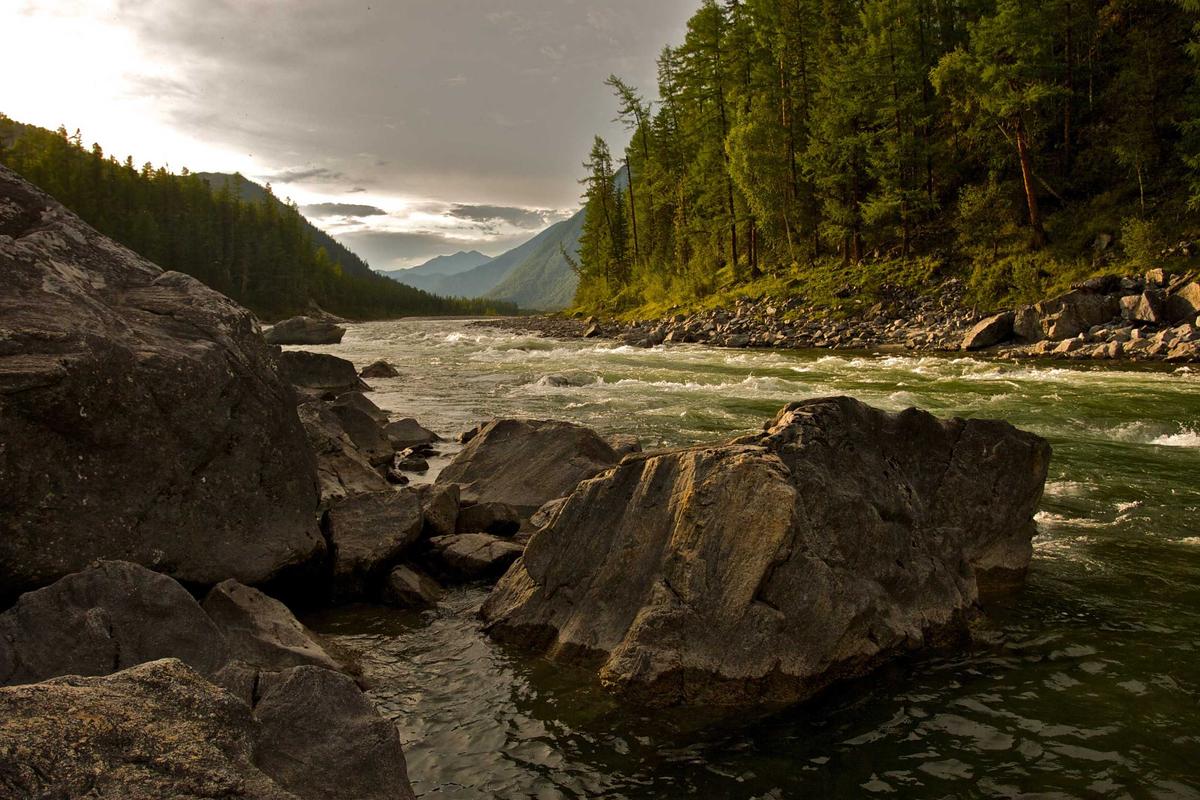
The route itself is unremarkable: a two-hour journey through the Kashubian countryside, past conifer forests and neat farmhouses, terminating at the Hel Peninsula’s narrow spit. But the controversy has forced a conversation about what we laugh at, and who pays for the joke. Perhaps the real hell is not the destination but the journey we impose on others.