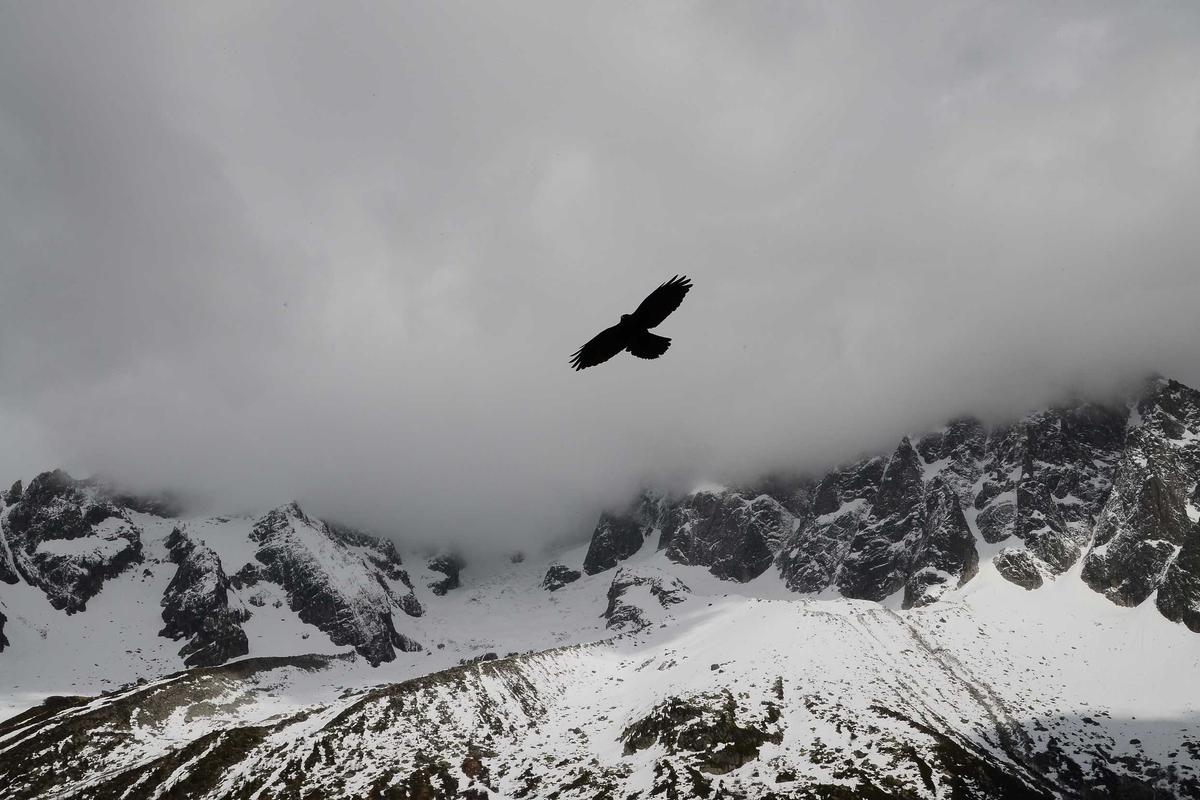
In a twist that would make even the most stoic samurai raise an eyebrow, Japan is currently grappling with a fugitive of a different sort. An 'extremely intelligent' bear – and I use the adjective with the same grudging respect a Roman historian might afford a particularly cunning barbarian – has evaded capture after injuring four people in the city of Akita. Yes, you read that correctly: a bear that has apparently read Sun Tzu and decided to wage asymmetric warfare on the nation famous for its bullet trains and vending machines.
Let us pause to appreciate the sheer, sublime absurdity of the situation. Here we have a creature, Ursus thibetanus if we want to be pedantic, that has somehow acquired a reputation for strategic brilliance. It is not merely a beast; it is a master tactician. It has broken into a commercial facility, mauled a security guard, and then vanished into the urban labyrinth. One is reminded of the ninja, those shadowy figures of feudal lore, except this one has fur and a taste for honey.
But what does this tell us about our times? Every age gets the disasters it deserves. The Romans had Nero fiddling while Rome burned; we have social media experts opining on the psychological state of a bear. We have become a civilisation so detached from nature that we anthropomorphise a wild animal, projecting our own anxieties onto its behaviour. It is not a bear: it is a symbol of the chaos lurking just outside our sanitised, convenience store filled existence.
Consider the response. Authorities have set up a special task force, deployed drones, and issued public warnings. All very modern. And yet, I suspect the ghost of a medieval yamabushi or a legendary hunter would cackle at our impotence. We have conquered space, split the atom, and can summon cat videos at will. But a bear? A single, clever bear proves that our mastery over the natural world is a fragile illusion.
The bear, I imagine, is simply acting according to its nature. It is hungry, confused, and probably wondering why the once abundant forests have given way to stroads and pachinko parlours. And so it does what any intelligent creature would do: it adapts. It learns to navigate the concrete jungle. It becomes a problem because it refuses to play by our rules.
There is a lesson here, if we are willing to hear it. The decline of a civilisation is often heralded by its inability to deal with the unexpected. The Roman Empire fell not because of a single barbarian invasion but because of a thousand small failures of imagination. Today, we stand baffled by a bear. Tomorrow, what? A particularly cunning virus? A rogue AI? A financial crisis that our algorithms cannot predict?
The bear is a mirror. It forces us to look at our own cleverness and ask if it is, in fact, wisdom. We have outsmarted ourselves into a corner where a wild animal is smarter than our best containment strategies. It is a humbling thought, and one that should give us pause.
Of course, the bear will probably be caught. It will be tranquilised, relocated, or perhaps put down. The media cycle will move on. But the memory of this ursine Odysseus should linger. It should remind us that intelligence, like civilisation, is a fragile construct. And sometimes, the most intelligent thing is to recognise the limits of our own.