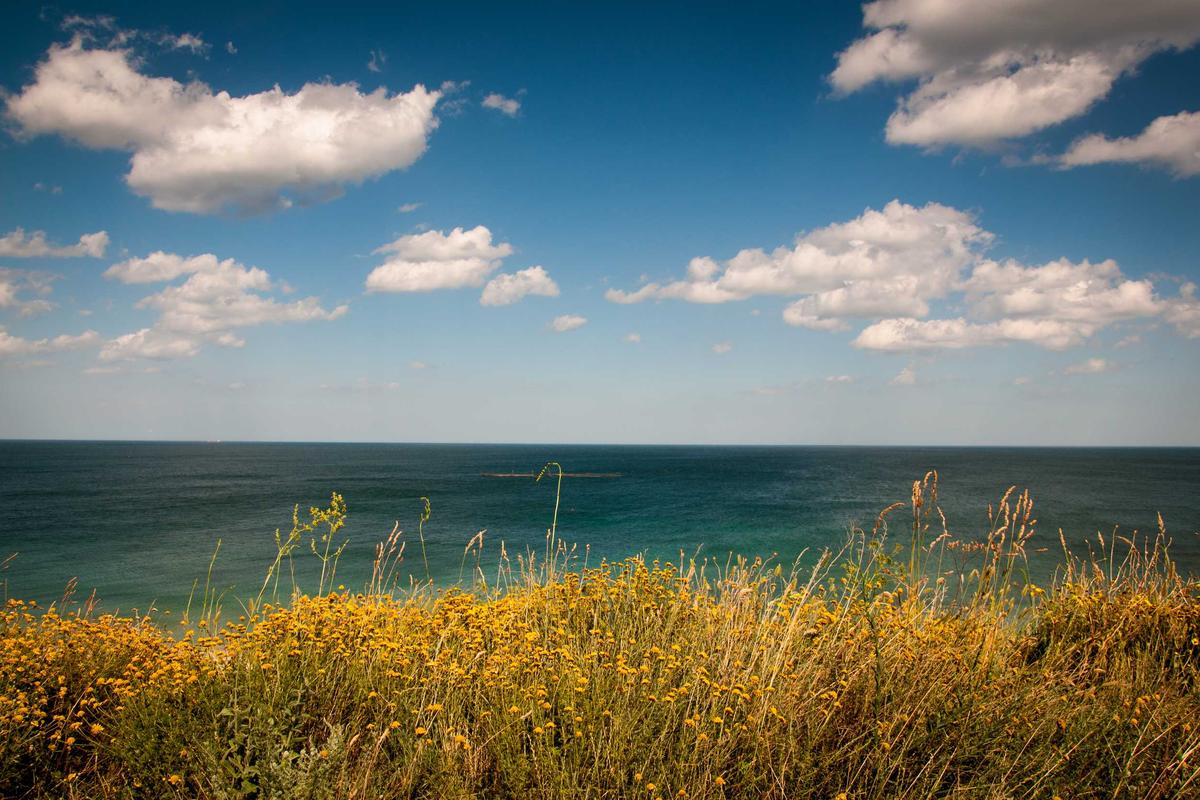
Tirana is ablaze with righteous fury. The cause? Jared Kushner’s latest venture, a luxury hospitality project on the pristine shores of Zvërnec, has triggered protests that echo with a distinctly Balkan passion.
Albanians, from the capital’s boulevards to the coastal villages, are chanting a familiar refrain: ‘Our land is not for sale.’ They see in this not a development deal, but the spectral return of the Satrap. A vassal state where sovereignty is a mere bauble, bartered for the glitter of foreign investment.
The placards are crude but precise: ‘No to the New Ottomanism.’ They speak of ‘colonisation by cheque book.’ And one wonders, is this not the classical pattern of imperial decay?
The Roman client kings, the Victorian-era ‘informal empire’ where the Royal Navy and the City of London dictated terms without the bother of direct rule. Today, the mechanism is different but the substance is the same. A former US presidential adviser, with his family’s political clout and a global network of capital, acquires a strategic plot of land in a small, aspirational nation.
He promises jobs, prestige, a slice of the Riviera. What does he take in return? Access, influence, a quiet annexation of decision-making.
The Albanian government, dazzled by the prospect of a Davos on the Adriatic, has apparently granted concessions that make seasoned diplomats wince. Tax holidays, loosened environmental regulations, and perhaps, most troublingly, a de facto zone of extraterritoriality for the resort’s clientele. This is not Albania’s story alone.
It is a parable for our times. Everywhere, the nation state is being hollowed out by a plutocratic internationalism. The super-rich and their corporations carve out archipelagos of privilege: London’s Knightsbridge, the Hamptons, and now the Albanian Riviera.
They pay for police, for private security, for their own infrastructure. They inhabit a world where borders are porous for capital but iron for the local who might dare to trespass. The protesters in Tirana are not Luddites.
They are not against development. They are against a development that severs them from their own patrimony. They sense that when a foreign power, be it a state or a business empire, can acquire land with such ease, the very notion of popular sovereignty becomes a farce.
And they are right. The history of the 19th and 20th centuries is littered with such bargains. The Opium Wars were fought over the ‘right’ to trade.
The Scramble for Africa began with concessions to chartered companies. The fall of the Qing Dynasty was hastened by the extraterritorial privileges granted to foreign powers. We laugh at these as quaint imperial follies.
Yet here we are, repeating the pattern in the age of the neoliberal meritocracy. The Kushner project is a microcosm of a global disease. The cure, however, is not isolationism or the smashing of windows.
It is a renaissance of national self-consciousness. The Albanians must demand, not just protests, but a reclaiming of their legal and political sovereignty. They must insist that every inch of their coastline remains subject to their laws, their courts, and their democratic will.
They must reject the notion that a cheque book can purchase a piece of their nation’s soul. And we, the observers of this drama, must recognise that the struggle in a small Balkan country is a struggle for the future of the West itself. For if we allow the logic of the market to override the logic of the polis, we will all, in the end, become subjects of some private empire, our democracies mere façades for the rule of the few.
The Albanian protests are not a local nuisance. They are the first shots of a war for the 21st century. And we ignore them at our peril.