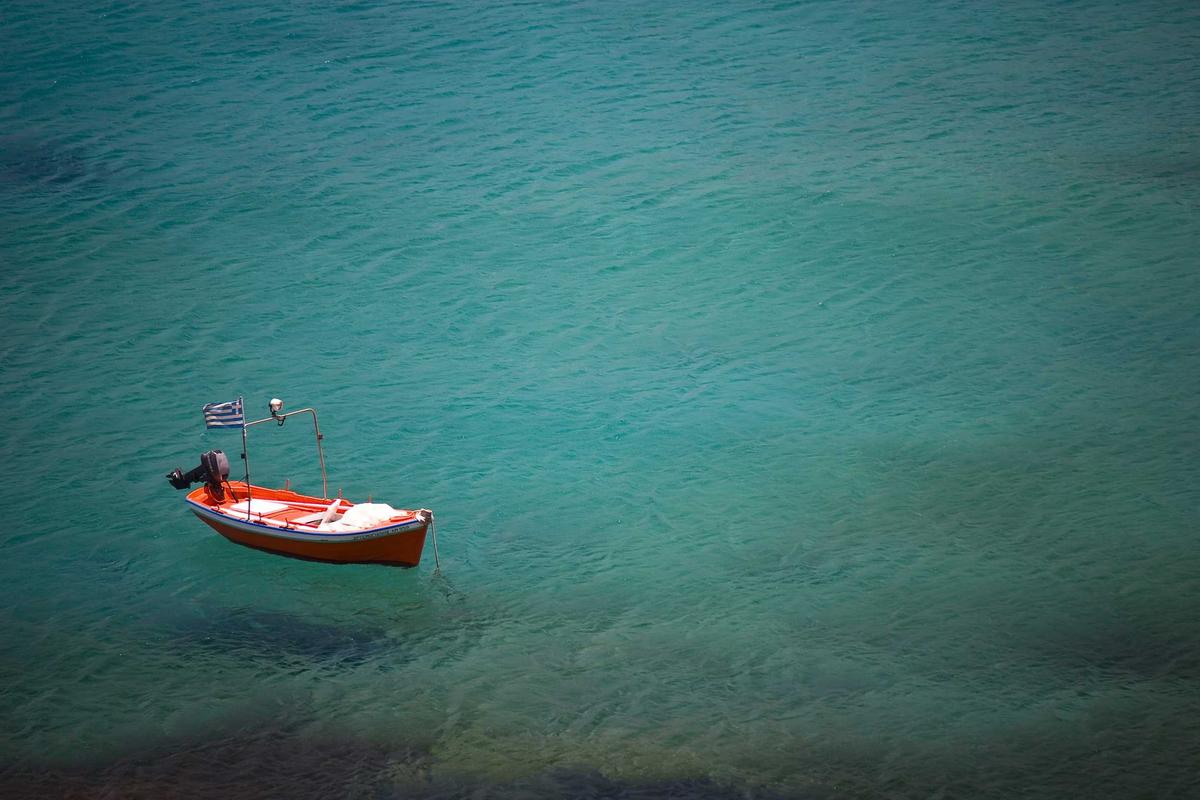
The South China Sea is once again a flashpoint, with reports of aggressive manoeuvres by Chinese vessels against neighbouring countries’ fishing boats and naval patrols. The British Navy is being urged to defend free navigation, a call that resonates with historical echoes of gunboat diplomacy but now demands a more nuanced response. On the streets of London, the crisis feels distant until you speak to a merchant seaman or a diplomat’s wife over tea in Belgravia.
For them, it’s about trade routes and regional stability. For the rest of us, it’s a reminder that the world’s balance of power is shifting, and Britain must choose its role carefully. The human cost here is not just geopolitical but personal: families separated by long deployments, fishermen fearing for their livelihoods, and a region holding its breath.
The cultural shift is palpable: we are moving from a post-war order to a multipolar one, and every navvy’s choice reflects a nation’s soul. Will we stand by principles or pragmatism? The answer lies not in Whitehall but in the hearts of those who sail these contested waters.