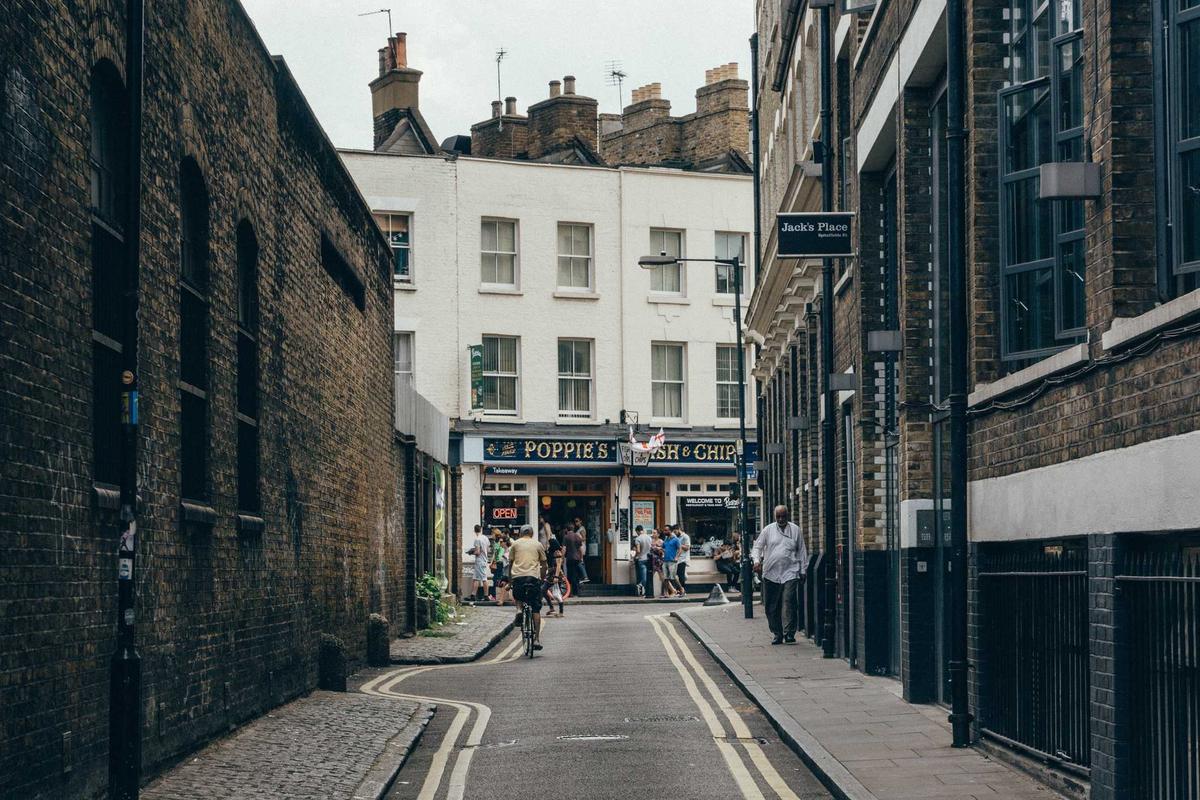
The cobblestones of Amsterdam’s Red Light District have long been a stage for clandestine transactions. But this week, the script has turned darker. Dutch police have launched a major investigation into a spree of drugging and sexual assaults, leaving the city’s famed tolerance frayed. For locals, the news is not just a crime report. It is a rupture of a social contract.
‘I used to feel safe walking home at 3am,’ says Lotte, a 28-year-old graphic designer, cradling a coffee in a Jordaan café. ‘Now, I watch my glass like a hawk.’ Her sentiment echoes across the city. The investigation, which involves at least 10 victims over the past three months, centres on a methodical pattern: victims were targeted in bars, their drinks laced with GHB, a drug that induces sedation and memory loss. The assaults, police confirm, occurred in private homes and hotel rooms.
What strikes me is not the violence itself, but the cultural shift it signals. Amsterdam has long marketed itself as a playground of controlled hedonism. But this spree suggests a darker underbelly, where the rules of engagement are rewritten by predators. ‘It’s not just about the drug,’ says Dr. Elke van der Meer, a criminologist at the University of Amsterdam. ‘It’s about the erosion of trust. The very spaces people use for social connection become traps.’
The human cost is intense. One victim, speaking anonymously to Dutch broadcaster NOS, described waking up in a stranger’s flat with no memory of the night before. ‘I felt like my body wasn’t mine,’ she said. That feeling of dispossession is a thread that runs through every major spree. It is a violation that lingers longer than any bruise.
Class dynamics play a subtle role. The attacks have occurred across the city, from the tourist-choked Damrak to the gentrified negorijen of Oud-West. But the response is telling. Wealthier neighbourhoods have seen a surge in private security patrols. In poorer areas, residents rely on informal watch networks. ‘We don’t have the money for cameras,’ says Fatima, a shopkeeper in the Bijlmer. ‘We have to look out for each other.’
The police investigation is comprehensive: they are trawling CCTV, tracking digital payments, and urging bar staff to report suspicious behaviour. Yet the deeper challenge is cultural. ‘We need to change the conversation,’ says van der Meer. ‘From “how do we protect ourselves?” to “why does it happen?”’ That question, uncomfortable as it is, is the one that matters.
On the street, the mood is resolute but shaken. A group of women in the Leidseplein have started a WhatsApp group to share alerts. ‘We’re not going to stop going out,’ says Marieke, a student. ‘But we’re going out with our eyes open.’ That vigilance is a small armour against a shadow that has, for now, settled over the canals.