As the Middle East burns, Spain reaps the whirlwind. Record tourist numbers flood the Iberian peninsula, a testament to the age-old principle that one man's catastrophe is another man's holiday. The latest figures from the Ministry of Industry, Trade and Tourism reveal a staggering 12.4% increase in arrivals compared to last year, with the British, Germans, and French leading the charge. They come seeking sun, sangria, and the illusion of safety, fleeing from a world that has grown too hot for comfort.
Let us not mince words: this is a windfall built on the ashes of others. The instability in the Middle East has redirected a river of leisure-seeking refugees to a country that, for all its charms, is not immune to the very tensions they flee. Spain itself has suffered its share of jihadi attacks, the 2017 Barcelona and Cambrils incidents still fresh in memory. But the tourist, ever the optimist, ignores the storm clouds for the promise of a perfect Instagram post.
This boom is not merely economic; it is historical poetry. Spain, once the heart of an empire that spanned continents, now plays host to the descendants of its former rivals. The British, whose empire has long since faded, flock to the Costa del Sol as if to reclaim a slice of sun they once ruled. The Germans, masters of a different kind of tourism, descend with their towels and their wallets. It is a comedy of nations, each playing its part.
Yet beneath the surface, there are signs of rot. The very success of this boom threatens to destroy what it seeks to exploit. Overcrowding, rising rents, and environmental degradation are the inevitable companions of such unchecked growth. Barcelona has already imposed limits on cruise ships and short-term rentals. Venice has done the same. How long before Spain's cities become mere theme parks, hollowed out of their native life?
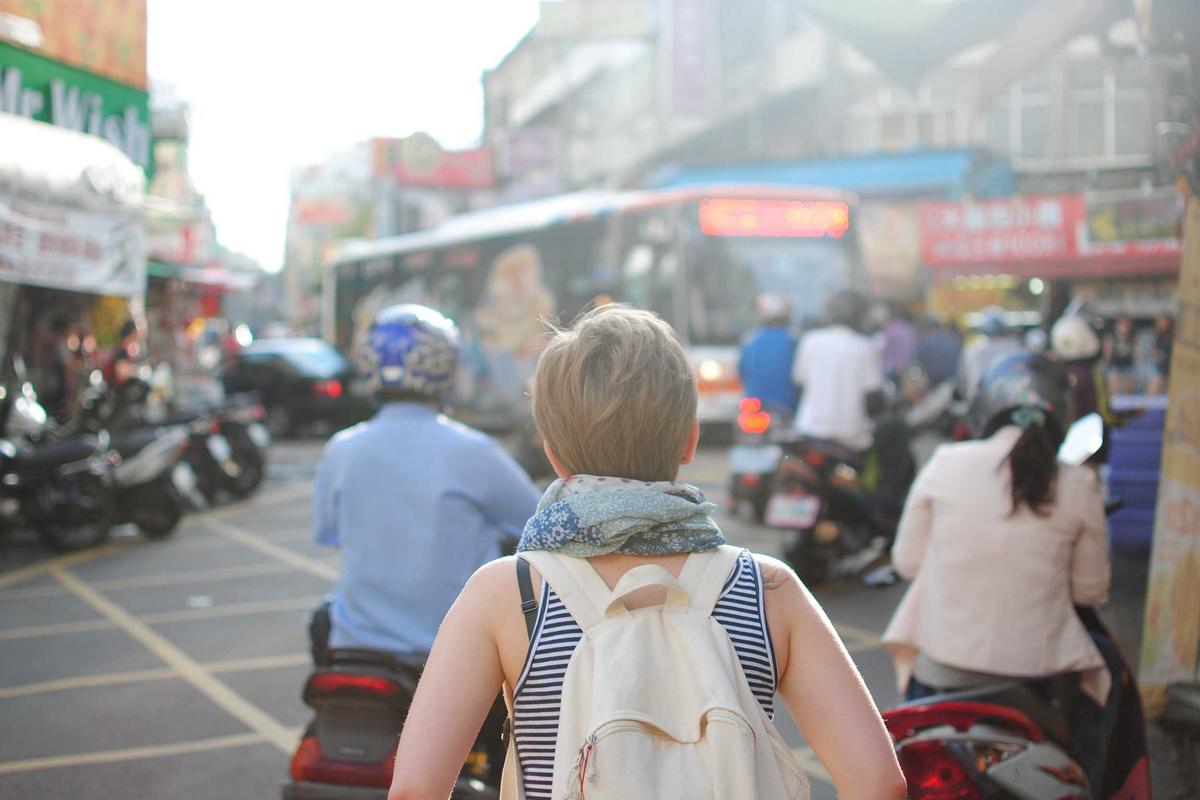
There is also the matter of intellectual decadence. In an age where we value experience over understanding, the tourist is the ultimate consumer. He does not learn the language; he does not engage with the culture; he merely consumes it. Spain becomes a backdrop for selfies, a stage for the performance of leisure. The country itself is reduced to a commodity, its history and struggles flattened into a brochure.
To those who see this boom as unalloyed good, I say: look closer. The Middle East's loss is Spain's gain, but at what cost? The diversion of travel is a symptom of a world in crisis, and the sun will not always shine. When the next crisis comes, and it will, where will the tourists go? Perhaps they will stay home, and Spain will be left with the detritus of a hundred million footprints.
There is a lesson in all this, though few will heed it. The pursuit of pleasure, untethered from responsibility, is a fool's errand. Spain's tourism boom is a party on the edge of a volcano. The music is loud, the sangria flows, but the ground is shaking. Enjoy it while you can. The fall of Rome was preceded by similar bacchanalia.
So here's to the record numbers. Here's to the endless summer. But keep one eye on the horizon. The barbarians are not at the gate; they are already inside, sipping cocktails and checking their flight times home.