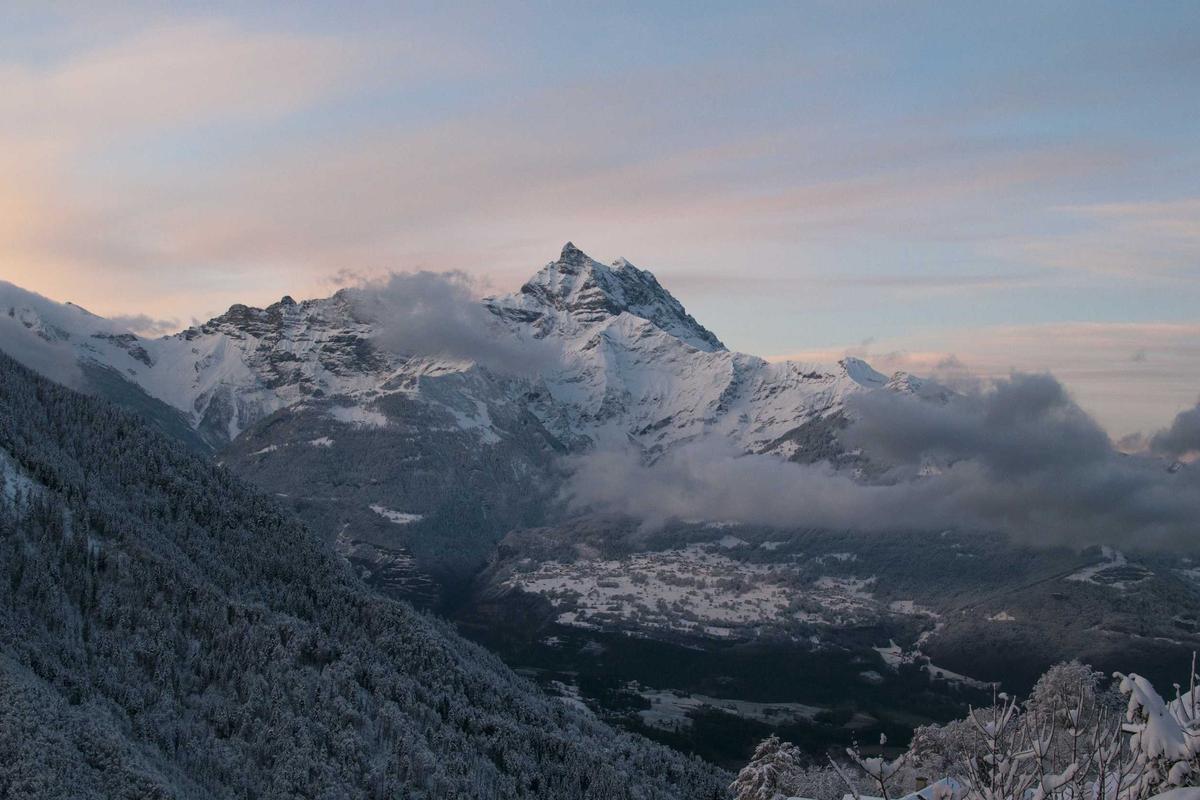
A British mountaineer's harrowing account of being left for dead on Everest has ignited a fierce debate about safety standards in Nepal's lucrative trekking sector. The climber, who has not been named, was rescued by a rival expedition after his own guide allegedly abandoned him above 8,000 metres. The incident has prompted calls from British climbers for tighter regulation, including mandatory insurance and certified rescue plans for all expeditions.
For those who have never stood in the 'death zone', the story might read as a cautionary tale of human endurance. For the Sherpas who carry the loads and fix the ropes, it is a grim reminder of their own devalued lives. The economics of Everest are brutal. With permits costing £11,000 a head and no cap on numbers, the mountain has become a marketplace where profit often trumps prudence.
This latest near-tragedy exposes the fault lines in Nepal's tourism model. Nepal's government has long resisted stricter regulations, fearing a hit to its vital revenue stream. But it is the people on the ground, the guides and porters who risk their lives for a season's wages, who pay the highest price. A shift in the law is inevitable, but it will not heal the deeper wound: a system that treats the mountain as a commodity and its guardians as disposable. The real change must begin with how we value the lives of those who make our summits possible.