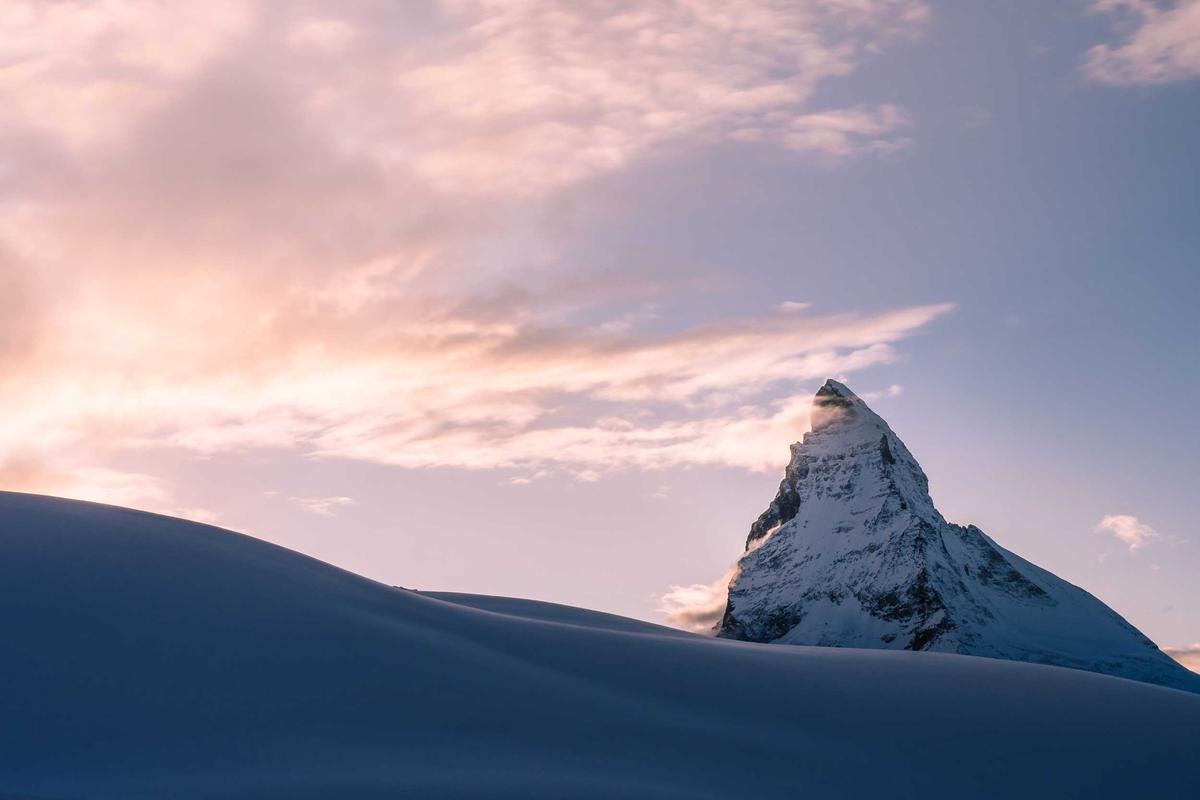
In the thin, bitter air of the death zone, where each breath is a negotiation with mortality, a story has emerged that feels less like a news report and more like a myth. A Sherpa, reported missing on the upper slopes of Everest, has walked back into Base Camp under his own steam. The British Mountaineering Council has called it a “display of extraordinary resilience”. But for those who know the mountain, it is something else: a stark reminder of who really holds the rope in this high-altitude economy.
The missing climber, whose name is being withheld pending family notification, was last seen near the South Col, that desolate lunar plateau at 7,900 metres where bodies sometimes serve as grim cairns. Rescue at that altitude is a logistical nightmare, a calculus of risk and resource that often ends in a body bag. Yet this man, against all odds, untethered himself from the mountain’s grip. He self-rescued. He came down. He survived.
I have spent years watching the Everest machine churn. The industry of guided summits, the queues of wealthy hobbyists, the oxygen bottles turned into litter. And always, always, the Sherpas. They are the invisible infrastructure, the ones who fix the ladders, carry the loads, and in the worst moments, drag clients down with their own lungs burning. When a Western climber goes missing, the world holds its breath. The helicopter scramble, the international headlines. But when a Sherpa disappears, it is often a quiet tragedy, a footnote in the dispatches.
This self-rescue changes the narrative, at least for a day. It speaks not just to physical toughness but to a profound psychological resourcefulness. To be alone, above 8,000 metres, with no support, no radio, no certainty of rescue, and to still choose movement, to choose life, that is a kind of heroism we rarely grant to the hired help. The British Mountaineering Council’s praise is welcome, but it also rings hollow. Where is the systemic change? The insurance? The recognition that these men and women are not interchangeable parts?
On the streets of Kathmandu, in the tea houses of Namche Bazaar, this story will be told with a quiet pride. It is a defiance of the odds, but also a defiance of the narrative that casts Sherpas as background characters in other people’s adventures. This is not a miracle. It is a man who knew the mountain better than any client ever could, and who refused to become another statistic.
As the climbing season resumes its relentless churn, let us mark this moment. Not with platitudes about the indomitable human spirit, but with a reckoning of who we valorise and why. The next time a Western climber stands on the summit and thanks their ‘team’, let them remember this: the team can survive without them, but they would be lost without the team.