Portugal has recorded its hottest May day on record, reaching 36.9°C in the Algarve. This is not a statistical blip. It is a sign of a cultural shift happening beneath the solar glare. The British tourist, historically a creature of stoic optimism and Factor 15, now faces a new reality: the Mediterranean summer is moving north, and the rules of the holiday are being rewritten.
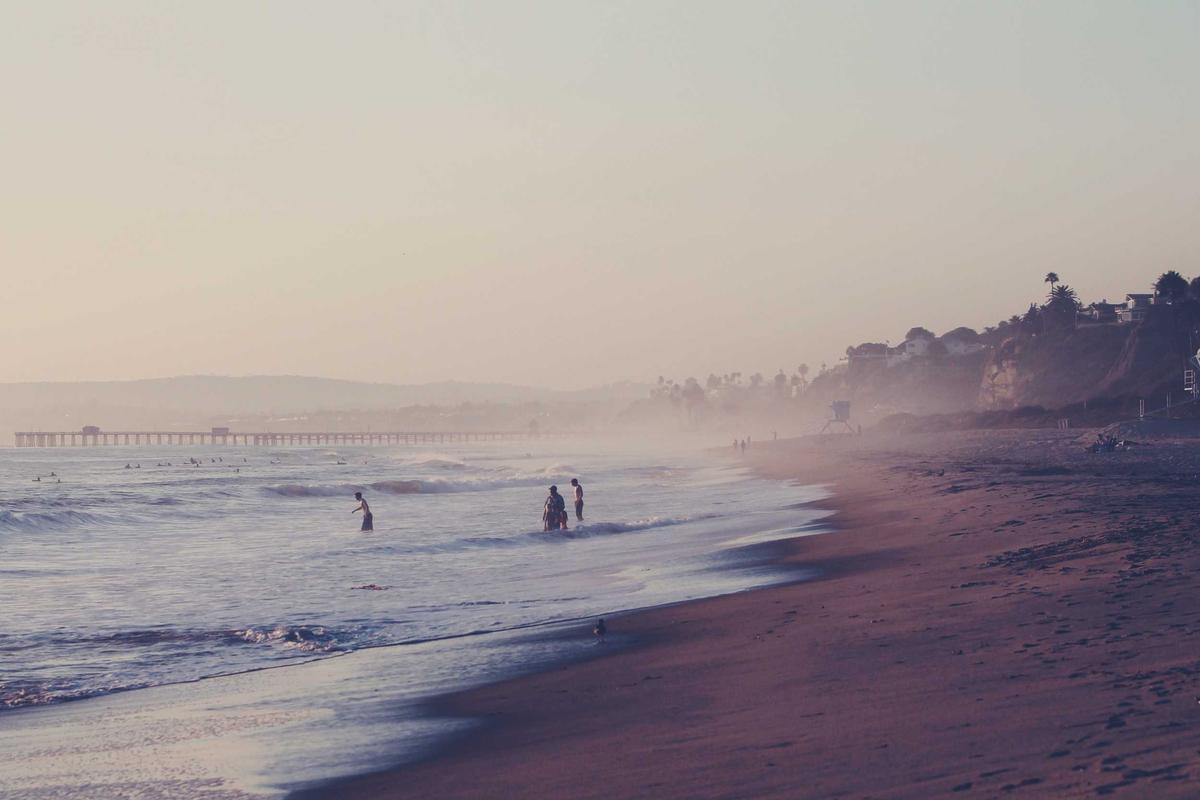
Consider the scene on a typical Algarve beach. The sun loungers are occupied by pale northern Europeans who have come for the reliable warmth that once made Portugal an affordable alternative to the Costas. Now that warmth is turning into something more aggressive. The local medics report a spike in heat-related admissions. The souvenir shops sell bigger hats and stronger sun cream. The social contract of the package holiday is shifting beneath our feet.
This is not just about weather. It is about class and expectation. The British tourist industry has long been built on the promise of a certain kind of heat: benign and controllable. You sit in it. You roast chicken in it. You do not flee from it. But a 36.9°C May day is not benign. It is the kind of temperature that forces a change in behaviour. The midday beer becomes a dangerous proposition. The afternoon siesta, once a charming foreign custom, becomes a survival strategy.
I spoke to a family from Croydon on their first day in Albufeira. The father, a man in his fifties with a reddening chest, told me they had not expected to be inside by 11am. 'We came for the sun,' he said, squinting at a sky that seemed to be vibrating with heat. 'But this is a different beast.' His wife nodded, fanning herself with a straw hat. Their children were in the hotel pool, which is now busy at 9am.
The economic implications are clear. Tour operators will need to rethink their scheduling. The May half-term break, once a safe bet for tolerable warmth, is now a gamble. The travel insurers will start including heatwave clauses. And the British psyche, so long conditioned to see the continent as a source of dependable sunshine, will have to adjust to a new unpredictability.
But there is a deeper cultural shift. We are seeing the end of the 'lark on the beach' era. The idea that a holiday is about lying in the sun for maximum hours is becoming physically untenable. The young, who are more climate-aware, already favour cities or cooler destinations. The old, with their weaker skin and fixed expectations, are the most vulnerable. This is a slow-moving class divide: those who can adapt their holiday habits and those who cannot.
On the streets of Faro, the locals are pragmatic. They have seen summers get hotter for years. The British tourists, however, are only now realising that their beloved Algarve is changing. The souvenir T-shirts now feature jokes about 'surviving the heatwave'. It is a gallows humour that masks a genuine anxiety. The heat is not just a topic of conversation. It is a character in the story of their holiday, demanding respect and rewriting the plot.
What does this mean for the future? We will see a rise in 'heat tourism' to cooler microclimates. The Scottish Highlands might become a viable alternative. The concept of the 'summer holiday' itself may need to be rebranded as a 'climate holiday' where the goal is to escape heat rather than court it. The British tourist, always adaptable, will find new ways to chase a manageable sun. But the loss of a reliable Algarve is a cultural blow. It is the end of a certain innocence, a belief that the summer will always be what it was.
For now, the forecast is for more of the same. The heatwave is expected to continue into June. The tourists will fan themselves, drink water, and stay indoors. They will do what people have always done when the climate shifts: they will adapt, grumble, and talk about the weather. But the weather is no longer just small talk. It is the biggest story on the beach.