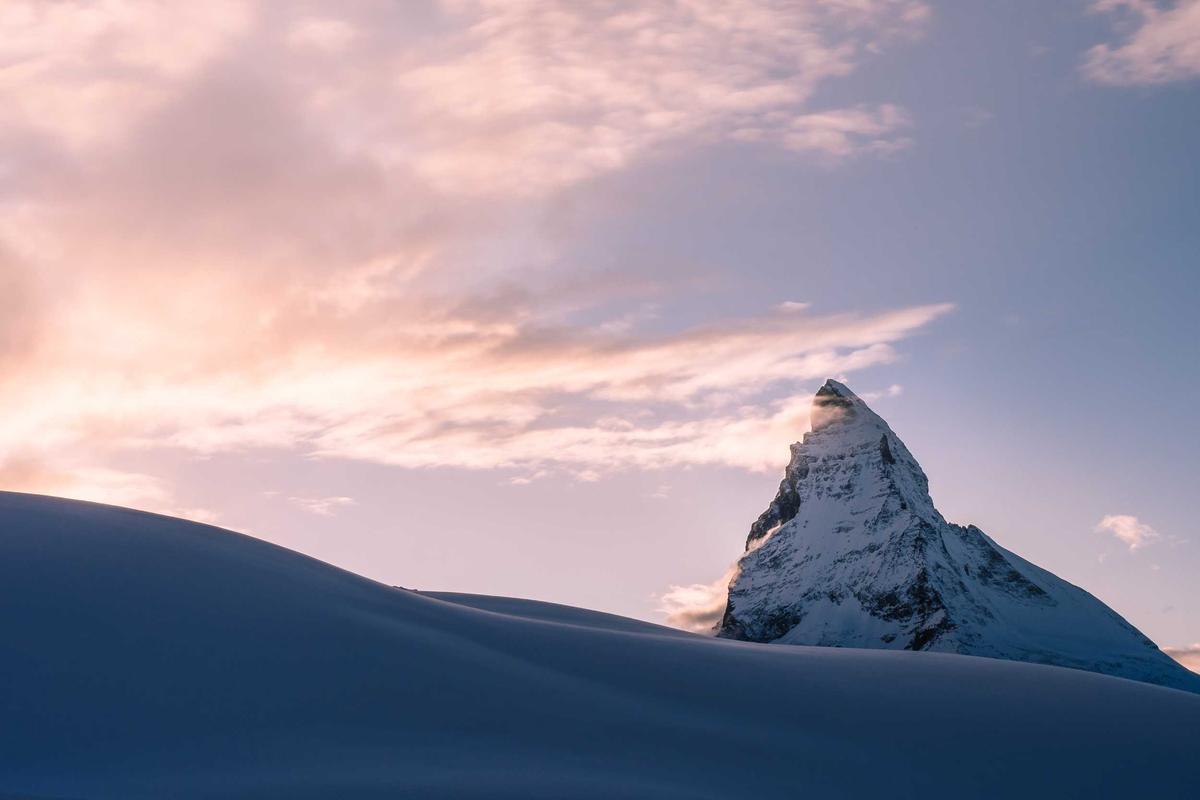
It was a scene of alpine opulence: the sort of Swiss resort where the concierge remembers your preferred vintage and the spa offers collagen facials for the jet-lagged. But when JD Vance walked through those revolving doors last week, the conversation wasn't about ski runs or fondue. It was about Iran. And the question ricocheting through Westminster this morning is simple: why was a US Senator, known for his isolationist leanings, holding court on Tehran in a venue synonymous with diplomatic discretion?
The news broke late Wednesday. A leaked tip, a blurry photograph of Vance exiting a hotel in the Engadin region, and suddenly the quiet corridors of the Palace of Westminster were buzzing. Demands for UK intelligence scrutiny came fast. Labour MPs asked if MI6 had a man on the ground. Conservative backbenchers, still smarting from the Afghan withdrawal, muttered about being blindsided. The Swiss, as ever, said nothing.
But the real story, the one that tells us about how our world is shifting, lies not just in the agenda but the setting. A luxury Swiss resort is not a neutral space. It is a territory of its own, a de facto state where the border guards wear Rolexes and the official language is dollar. To meet there is to signal that the conversation is above politics, beyond accountability, insulated from the noise of the voting booth. It is the geography of power in the age of the super-rich.
Vance’s presence there, discussing Iran, raises a profound cultural question. This is a man who built his political career on railing against the élites, on the idea that the coastal gentry had sold out the heartland. Yet here he was, in the very cathedrals of that élite, negotiating the terms of a nuclear dialogue that could shape the Middle East for decades. The cognitive dissonance is so stark it hurts. It suggests that the language of populism is a costume, easily shed when the real business of statecraft begins.
On the streets of Islington and Leeds, people are noticing. The cost of living crisis might be the headline, but there is a quieter anger brewing about the theatre of politics. We watch these figures fly to mountain retreats, eat canapés, and decide the fates of millions. The human cost of this Swiss summit is not the hotel bill. It is the sense that democracy is a side show, that the real deals are done in places most people cannot even afford to holiday.
There is also the matter of trust. Iran talks have historically been conducted through labyrinthine diplomatic channels, through the Swiss embassy in Tehran, through months of tedious negotiation. To bring in a populist senator, even one with foreign policy chops, is to bypass that system. It is to say that the old architecture of international relations is obsolete. And perhaps that is true. But it also says that the new architecture is built on private jets and club memberships.
The demands for UK intelligence scrutiny are not just bureaucratic paranoia. They reflect a genuine unease. If Vance was there in an unofficial capacity, what did he promise? What did he hear? The UK has its own interests in Iran: detentions, nuclear proliferation, regional stability. A rogue direct dialogue, unaccountable to the Foreign Office, could undermine years of careful work. More to the point, it could place British citizens further in harm's way. That is not a hypothetical. It is a human reality.
Ultimately, the Vance summit is a parable of our times. It shows that power has a new zip code: not the White House or Downing Street, but a suite in St. Moritz with a view of the glaciers. And it shows that the divide between the people who vote and the people who decide has never been wider. The irony is that Vance rose to prominence by claiming to bridge that divide. Now he has become its most glittering symbol.