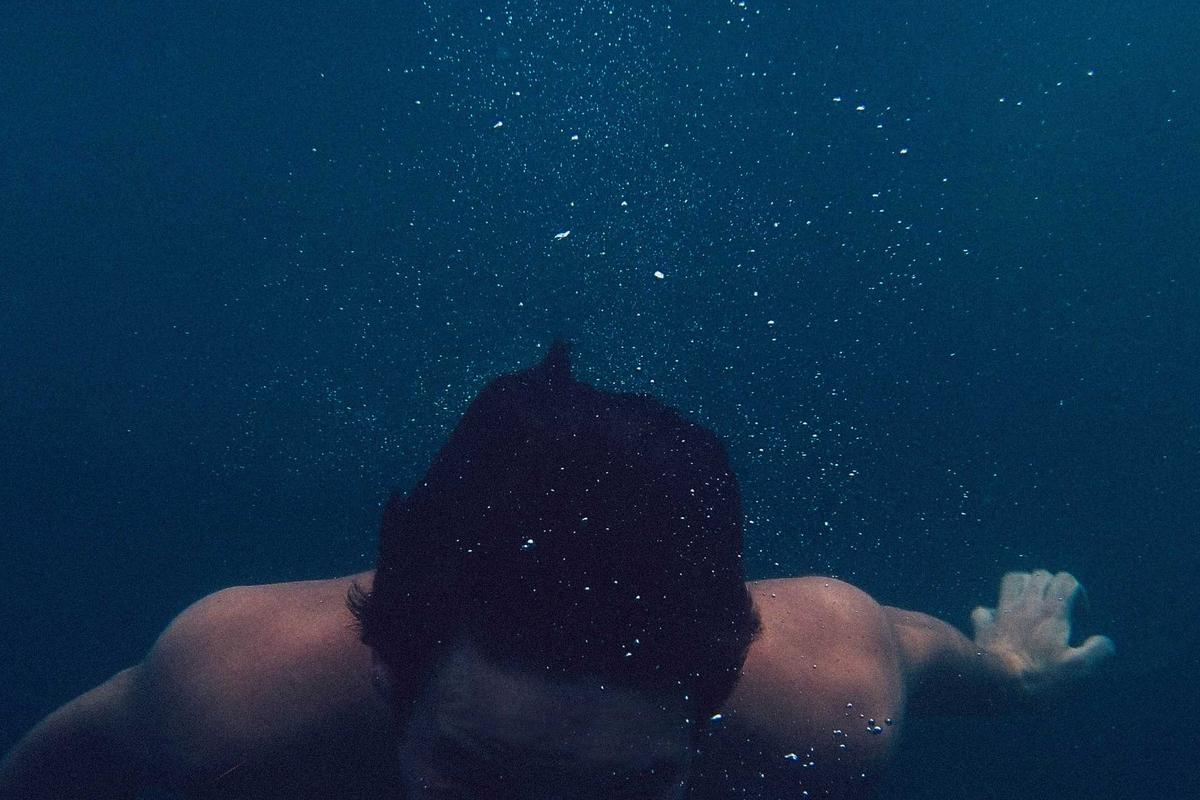
A surfer off the coast of Oaxaca drops into a swell the size of a cathedral. The crowd on the beach holds its breath. This is not just a sporting moment: it is a cultural flashpoint. A Mexican surfer is attempting to break the world record for the largest wave ever ridden, and the debate over who owns the ocean has risen with the tide.
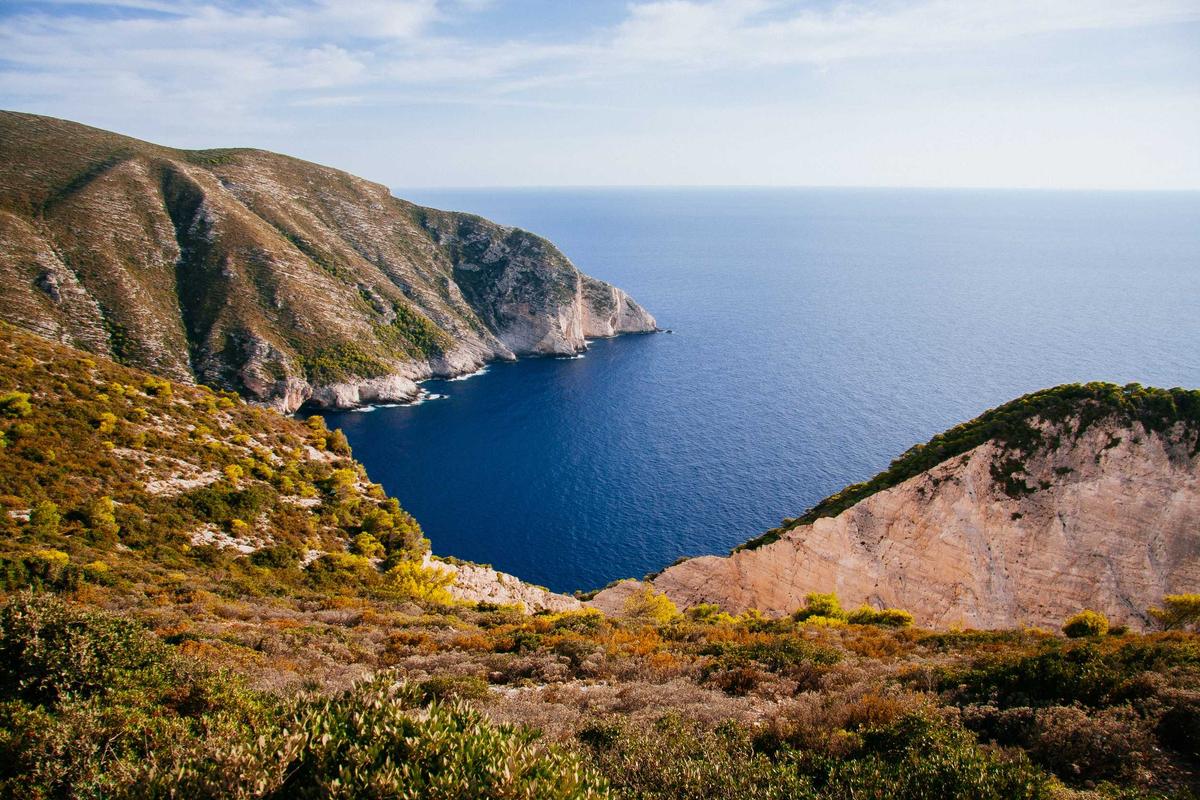
The record attempt itself is staggering. Waves in the Pacific off Puerto Escondido can reach heights of 30 metres, a churning wall of water that could swallow a bus. For local surfers, these waves are part of their heritage, a natural amphitheatre where generations have tested their nerve. But as global surf culture descends on the spot, the question of who gets to claim the record has become a social wound.
Critics argue that international surfers, predominantly white and wealthy, have long treated Mexican breaks as their own private playground, flying in for the swell, collecting accolades, and leaving little but footprints. The chase for the record, they say, is a colonial wave: the extraction of glory from local waters without respect for local customs. On social media, hashtags like #NotYourWave and #RespectTheBreak have gathered force, calling for a moratorium on foreign record attempts until local communities are properly consulted and compensated.
But the reality on the street is more complicated. In the dusty beach towns of Oaxaca, the surf economy is a lifeline. Every foreign surfer brings dollars that pay for school fees, medical bills, and roof repairs. The locals who work as guides, cooks, and cleaners rely on the very industry they are now being told to reject. The surfer making the attempt, a Mexican national named César Morales, grew up in a fishing family and learned to surf on a broken board. He represents a fragile hope: that Mexicans can reclaim their own coastlines, not by closing them off, but by riding the same waves as the outsiders and winning.
Yet even he is caught in the undertow. Some activists have accused him of being a 'sellout', sponsored by foreign brands and trained by Australian coaches. His response: 'This wave is my mother. She does not belong to a passport. I am chasing the record for my people, to show that we can stand on our own.' The sentiment is heartfelt, but the politics of the ocean do not easily forgive.
The human cost of this debate is visible in the faces of those who line the shore. They cheer for César, but they also wonder whether any victory will change the fact that the best surf spots are increasingly ringed by gated developments catering to foreign buyers. The cultural shift here is not about a single wave, but about the slow erosion of local control over local resources. The ocean, once a common, is becoming a commodity.
What happens if César breaks the record? Will it be a moment of national pride, or will it simply reinforce the idea that Mexican waves are prize territory for anyone with a board and a visa? The answer depends on who tells the story. The journalists, the camera crews, the sponsors: they will frame it as a triumph of the human spirit. But the people in the water know that every wave carries a hidden current of history, class, and identity.
As the swell builds and the countdown begins, the beach holds its collective breath. For a few seconds, a man will fly across a wall of chaos. And then the debate will resume, fiercer than the sea.