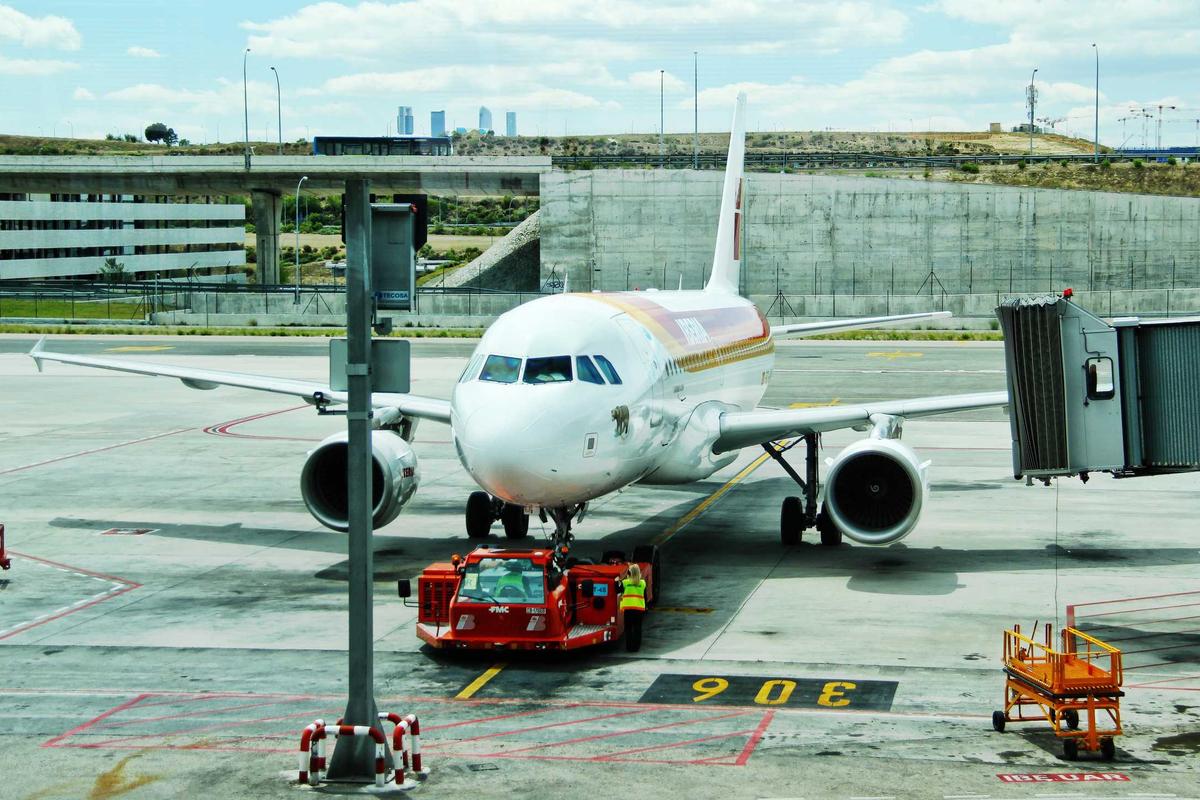
There is a moment in every disaster when the crowd stops being a crowd and becomes something else. A collective. A single organism driven by a shared instinct to help. That moment came at the airport today when a regional jet veered off the runway and skidded into a muddy field, its fuselage buckling and one window sealed shut by twisted metal. The passengers inside, strapped into their seats, were trapped. Smoke began to seep into the cabin. Then the bystanders acted.
Witnesses describe a scene of controlled chaos. Men and women who had been waiting at the terminal gate or walking through the concourse sprinted across the tarmac. They did not wait for instructions. They did not ask for permission. They found a broken luggage cart, a piece of concrete, and began smashing the reinforced glass of the emergency window. It took several blows. The window held. Then it cracked. Then it gave way.
The first passenger to be pulled out was a woman in her fifties, her face smeared with soot. She was handed down to someone who did not know her, who held her steady and told her she was safe. The queue formed quickly. People who had never met worked as a relay team. One man lifted a child to a woman outside. A teenager scrambled out and immediately turned back to help an elderly man.
This is not a story about policy or procedure. This is a story about human nature at its most raw. In the minutes after the crash, the airport's official emergency response had not yet fully mobilised. The fire trucks were still turning onto the taxiway. The paramedics were running from their stations. But the bystanders were already there. They did not need training to know that a window could be a door.
We talk a lot about the psychology of disaster. About panic, about self-preservation. But there is another script that plays out just as often: the script of sudden, uncalculated altruism. The woman who broke her fingernails clawing at the seal. The man who used his jacket to shield a passenger from broken glass. These are not heroes in the usual sense. They are ordinary people who, for a few moments, forgot their own safety because someone else needed them.
What happened here is a microcosm of a larger cultural shift. In an age of individualised risk and digital detachment, we still know, deep down, that survival is a collective act. The airport crash is a tragedy in the making, but the response is a testament to something hopeful. It reminds us that the first responders are not always the ones in uniform. Sometimes they are the ones holding a piece of luggage cart, smashing a window, and reaching out their hand.
The passengers are receiving medical attention. The investigation into the cause will begin. But the image that will stay with me is the line of strangers, dirty and determined, pulling people out of a broken plane. That is the human cost, yes. But also the human gift.