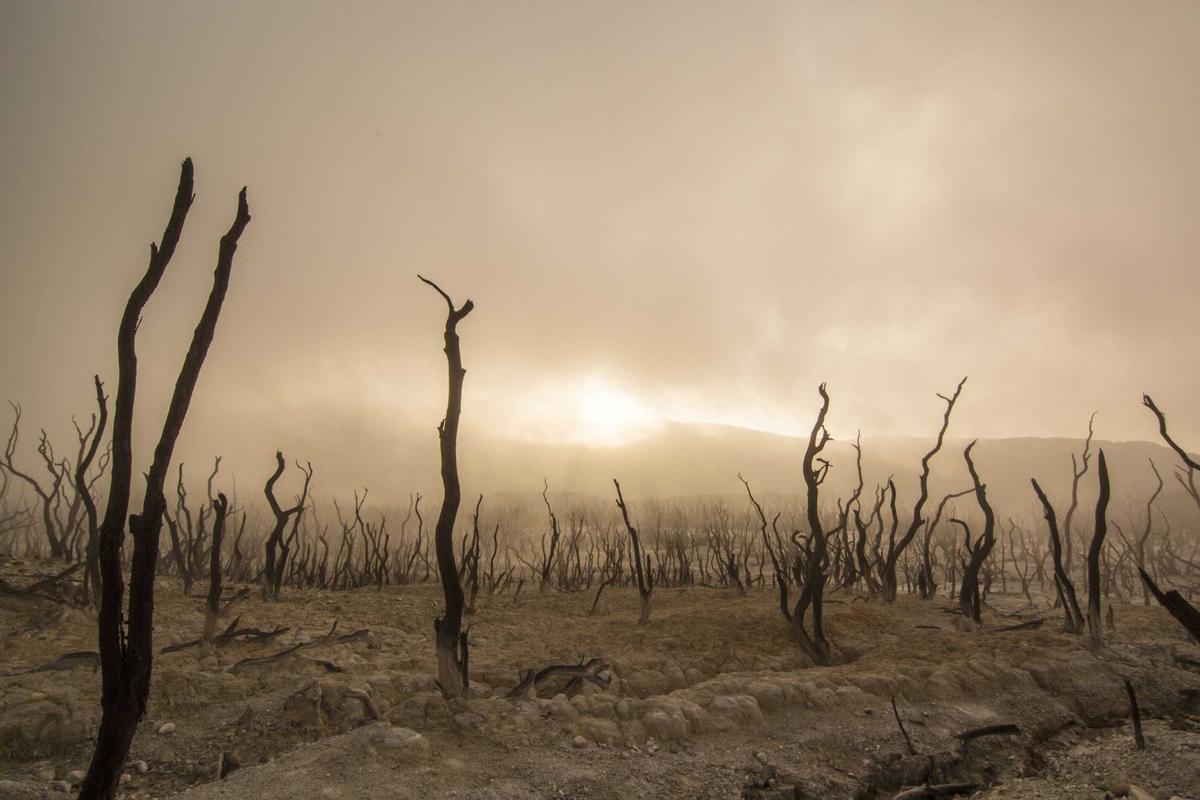
Three firefighters have perished while fighting the devastating wildfires in Colorado, a tragedy that underscores the escalating cost of a warming planet. As extreme fire seasons become the new normal, experts are increasingly looking to the United Kingdom's comprehensive Climate Resilience Plan as a template for adaptation. But can policies alone keep pace with a biosphere in collapse?
The deceased, members of an elite hotshot crew, were overtaken by a wind-driven firestorm in the Rocky Mountains. This is not an anomaly. It is a statistical inevitability in a world where atmospheric vapour pressure deficit, a measure of fire weather, has increased by 10% per decade. The physics is simple: hotter air holds more moisture, drawing it from vegetation, turning forests into tinder. A single ignition, a lightning strike or a downed power line, can now produce a fire that defies suppression.
Carbon Brief analysis shows that the area burned by wildfires in the western United States has quadrupled since the 1980s. The fire season is now two to three months longer. Every degree of global warming increases the probability of extreme fire weather by up to 100% in some regions. These are not predictions. They are measurements.
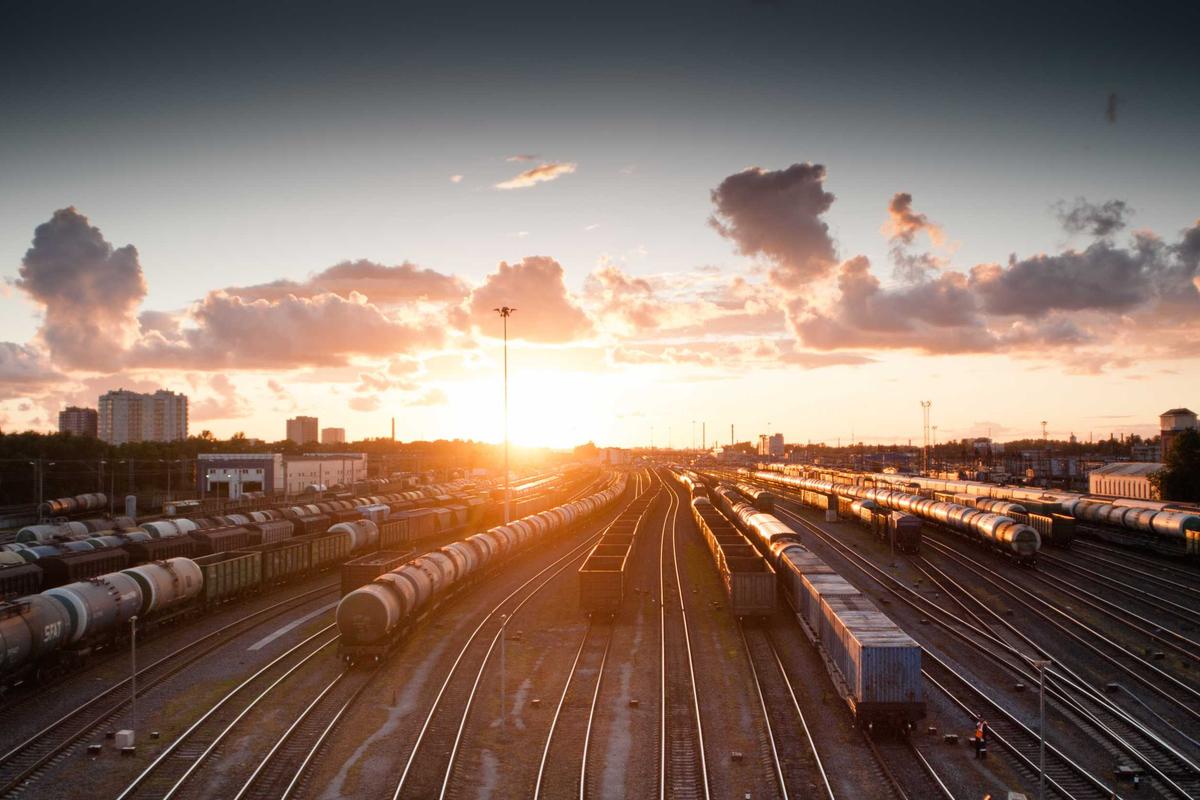
In response to such accelerating risks, the UK government published its Climate Resilience Plan in 2023, a framework that goes beyond mitigation to embrace systemic adaptation. The plan mandates heatwave-proofing of rail lines, flood defences for coastal communities, and water storage infrastructure. It also calls for a 'national resilience standard' for wildfires, something the UK, with its peat bogs and gorse, increasingly needs. But the plan's true innovation lies in its recognition that climate resilience is not a stand-alone issue. It must be embedded in every government department, from housing to health.
Yet critics argue that the plan is too slow. The UK's own Climate Change Committee warns that current adaptation efforts are 'woefully inadequate'. The recent heatwave that buckled railway tracks in East Anglia was a reminder that infrastructure built for a 20th-century climate is failing. The Colorado fire deaths are a dire warning: no amount of firefighting heroics can substitute for systemic change.
Technological solutions exist. In Portugal, a government programme uses goats and controlled burns to reduce fuel loads. In Australia, fire-resistant building materials are now mandatory in bushfire-prone zones. The UK could adopt similar measures, but it requires political will and sustained investment. The Climate Resilience Plan is a start, but it needs to be accelerated, funded, and enforced.
The physics of the situation is unyielding. Increased wildfire risk is not a future scenario; it is a present reality. The three firefighters in Colorado knew this. They understood that every time they stepped onto the fireline, they were confronting a planet in flux. Their deaths should not be in vain. They should be a catalyst for the kind of urgent, evidence-based action that the Climate Resilience Plan envisions.
The Earth system is sending a clear signal. We have a choice: invest in adaptation now, or count the costs in lives lost. The UK has a plan. It must now find the will to implement it.