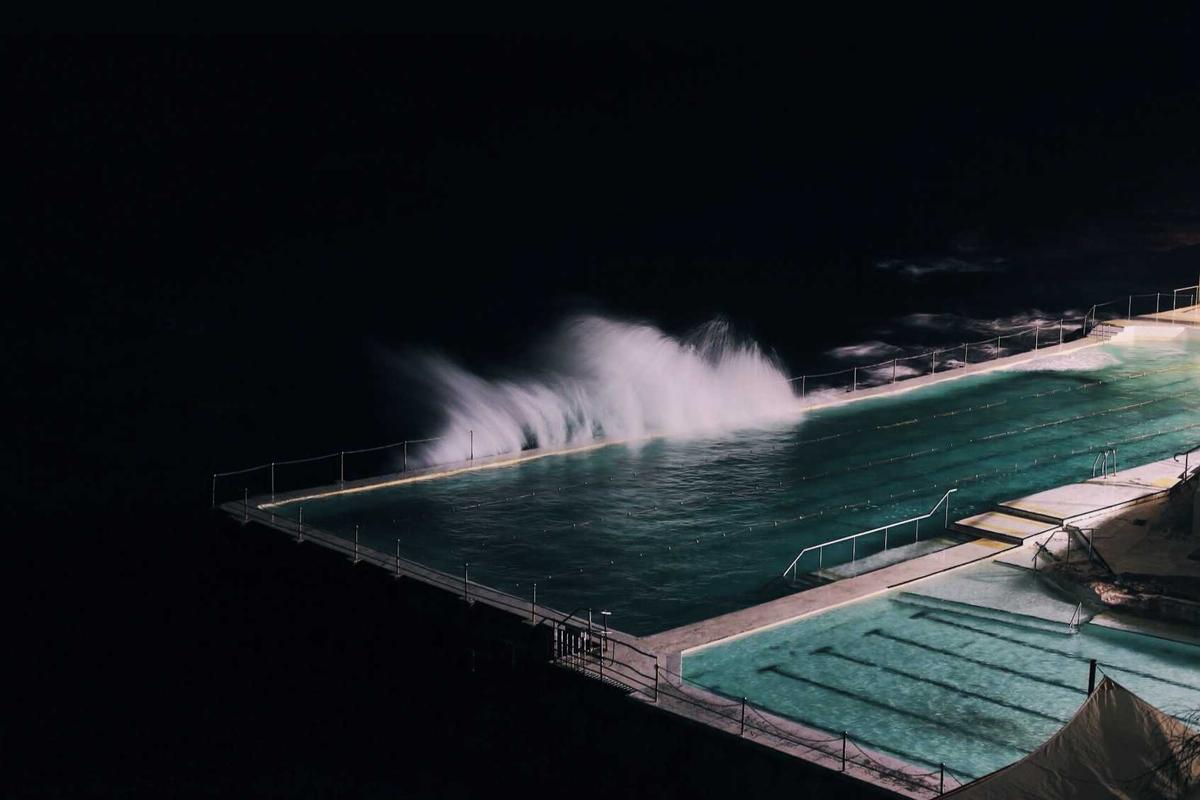
A world record wave attempt in Mexico City. It sounds like a headline for the lifestyle section, but to anyone tracking threat vectors, it is a flashing red indicator of strategic vulnerability. The surf community is divided. British environmental scientists question the authenticity of the recorded wave. And I ask: who benefits from this chaos?
Let's break this down. A large wave is recorded. Data is contested. Accusations of manipulation surface. This is not a sporting dispute; it is a soft target for hostile actors. Information warfare begins in the grey zones of public trust. If we cannot agree on the height of a wave, how do we maintain consensus on sea-level rise data that drives our coastal defence spending?
The strategic pivot here is the weaponisation of environmental data. State actors have long understood that environmental science is the new front line. A contested wave record is a microcosm of a larger battle: the erosion of scientific authority. When Mexican officials claim a record, and British scientists cry foul, the public sees a split. That split is a vulnerability. A hostile actor can insert false narratives, amplify doubts, and stall international cooperation on climate security.
Now look at the hardware. Wave measurement technology, from buoys to satellite altimetry, is a critical component of naval and coastal defence. If the data from a high-profile event is questionable, what does that say about the integrity of the entire monitoring network? This is a logistics failure waiting to happen. We rely on that data for everything from shipping lane safety to storm surge models. If we cannot calibrate trust in a single wave, our entire environmental sensor grid is open to exploitation.
The intelligence community should already be flagging this. The division between the surf community and the scientists is a textbook example of cognitive warfare. The aim is to confuse and exhaust. By the time the argument is settled, the window for action has closed. Meanwhile, the real threats roll in: rising sea levels, disrupted weather patterns, and the geopolitical instability that follows.
Let's be clear. The debate over a wave in Mexico City is not trivial. It is a diagnostic test of our information resilience. We failed. The surfers and the scientists are both right to question the data. But they are missing the larger picture. This is a hostile act by a system that profits from chaos. The question is not whether the wave was 22 metres or 20 metres. The question is: who is now in control of the narrative?
We must treat every contested data point as a threat vector. The British scientists deserve praise for their rigour, but they must understand their role in a broader security context. Likewise, the Mexican authorities must tighten their verification protocols. This is not about pride. It is about hardening the information supply chain that underpins our strategic decisions.
In military intelligence, we call this an ambient threat. It is the background noise that masks a direct attack. Right now, the noise is deafening. And while the surfers argue over a record, the tide is changing. We are not paying attention to the gap between what is measured and what is believed. That gap is where the enemy operates.
Final assessment: treat this as a proof-of-concept attack on environmental data integrity. Immediate action required: cross-reference all wave measurement protocols with global standards. Verify the sensor chains. And for God's sake, stop arguing about the wave. Start tracking who gains from the confusion.