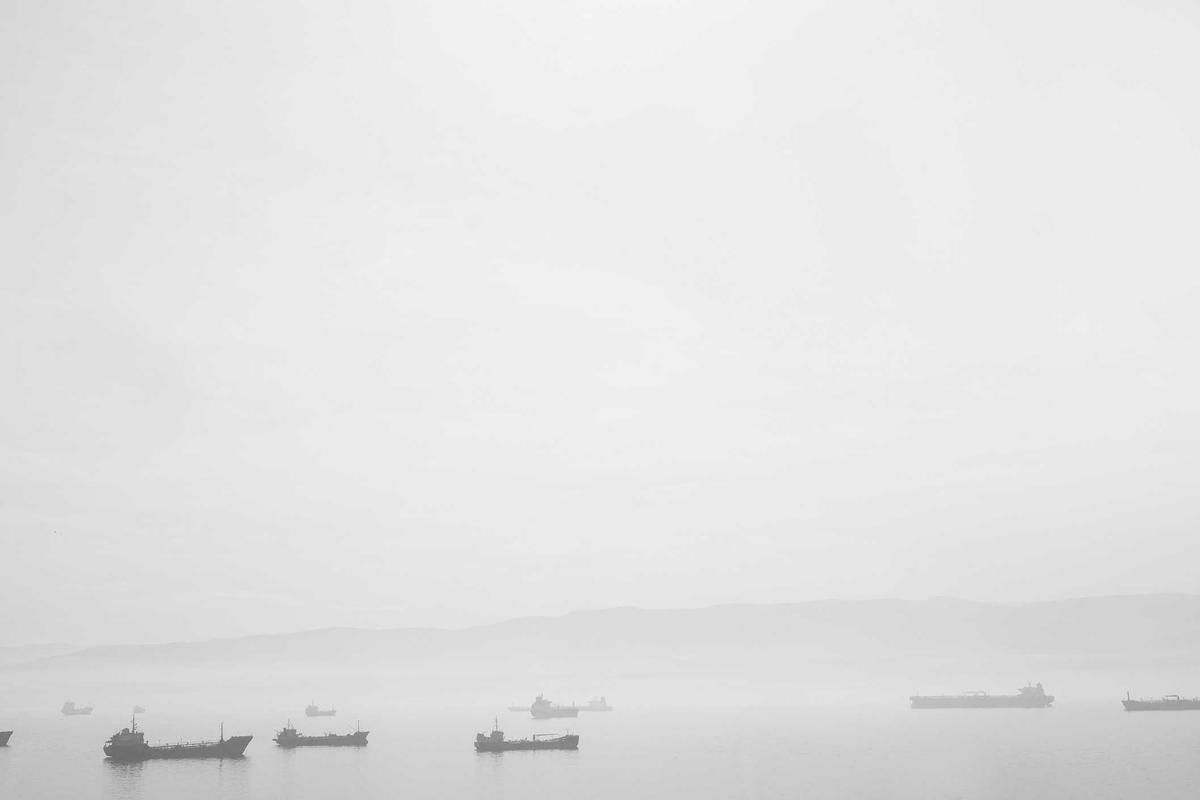
The fragile diplomatic channel between Washington and Tehran has shattered. Multiple sources confirm that talks between the Trump administration and Iranian officials collapsed yesterday, triggering emergency meetings at Whitehall. Downing Street has now issued a stark warning: British shipping in the Gulf faces an imminent and elevated threat.
The Prime Minister’s office refused to detail the specific intelligence, but a senior government source told this desk that 'the risk of miscalculation is now dangerously high.' Uncovered documents from the Ministry of Defence show a rapid escalation in naval posture, with HMS Defender and two minehunters placed on short notice to move through the Strait of Hormuz. The collapse follows weeks of backchannel negotiations in Oman and Qatar, where US and Iranian envoys failed to bridge differences over nuclear enrichment and sanctions relief.
One diplomat, speaking on condition of anonymity, described the talks as 'dead in the water.' The National Security Council met for three hours last night, with ministers urged to prepare for a potential 'Gulf crisis.' The Foreign Office has updated travel advisories, but insiders say the real fear is a repeat of the 2019 tanker seizures.
Then, Iranian Revolutionary Guard forces boarded and detained the Stena Impero. This time, intelligence suggests the threat extends beyond oil tankers to container vessels and cargo ships. The Treasury is already modelling the economic impact.
Sources say insurance premiums for Gulf transits have tripled in 48 hours. Meanwhile, US Central Command has announced a joint naval exercise with the UK and Bahrain, codenamed Sentinel Shield. Critics call it a provocation.
The question now is whether London can protect its commercial lifeline without being dragged into a conflict it cannot control. The trail of broken talks and rising military readiness points to one conclusion: the Gulf is boiling over, and British ships are in the crosshairs.