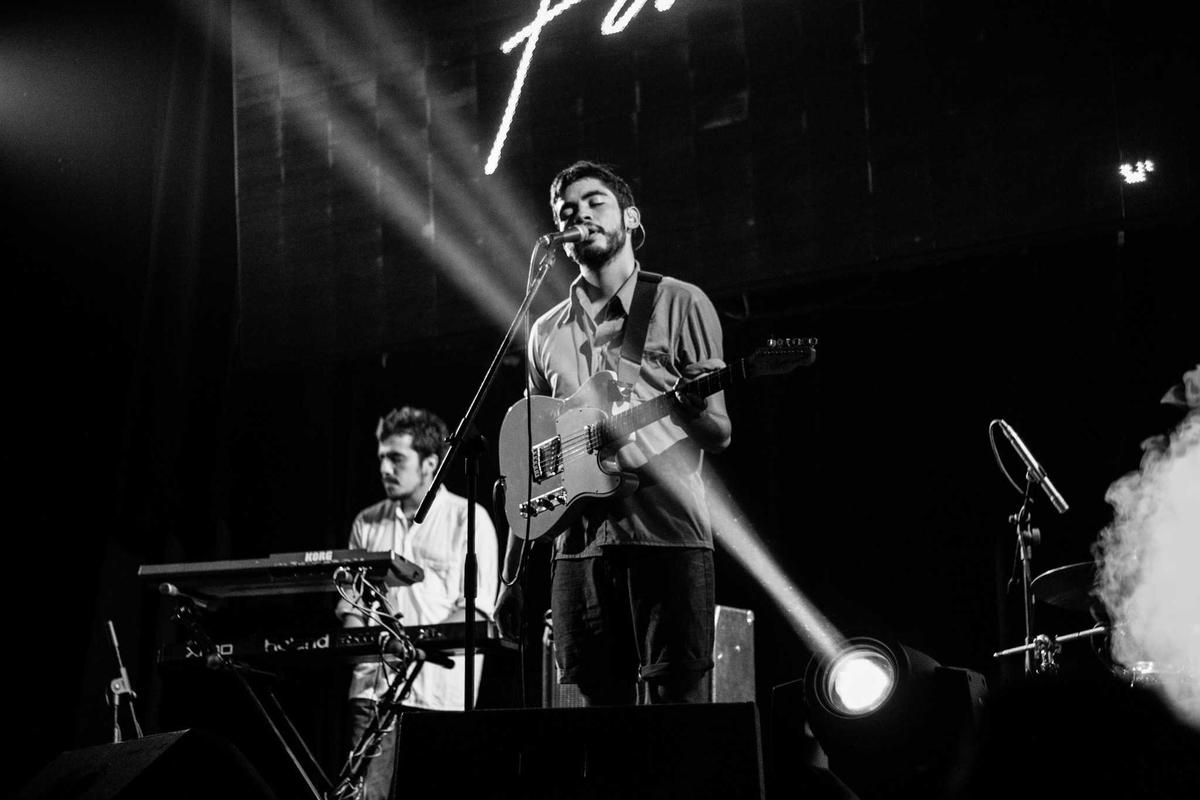
The much-hyped US Freedom 250 festival, intended to showcase American cultural resilience, has unravelled in what intelligence analysts would call a textbook operational failure. President Trump’s direct order to ‘cancel it’ came after a cascade of artist withdrawals turned the event into a strategic embarrassment. The festival, scheduled to mark the 250th anniversary of American independence, was meant to project soft power and national unity. Instead, it has exposed deep fractures in the domestic cultural landscape and handed a propaganda victory to hostile actors watching from Moscow and Beijing.
From a threat vector perspective, the mass exodus of performers is not merely a public relations debacle. It signals a loss of confidence in the administration’s ability to manage large-scale national events. Artists cited concerns over political messaging, logistical chaos, and a toxic atmosphere. This mirrors the breakdown of command and control in a military operation where subordinate units refuse to follow orders. The festival’s collapse will be used by adversaries to frame the United States as a nation in decline, incapable of rallying even its own cultural elite.
Technically, the failure highlights critical shortcomings in event security and strategic communications. The Department of Homeland Security had designated the festival as a Level 1 special event, requiring interagency coordination. Yet the withdrawal of headliners suggests a failure in vetting and contingency planning. In military intelligence, we would flag this as a failure of reconnaissance: the organisers did not accurately assess the willingness of key assets to participate under current conditions.
Moreover, the timing is disastrous. The festival was intended to counter foreign disinformation campaigns that paint America as divided and weak. Instead, the cancellation provides raw footage for adversaries to splice into their narratives. Chinese state media and Russian RT have already begun broadcasting segments of the ‘humiliation’, as they frame it. This is an asymmetric information operation where a single event can amplify perceptions of decline far more effectively than a year of propaganda broadcasts.
From a logistics standpoint, the cancellation order at such a late stage incurs massive sunk costs. Taxpayer funds allocated to infrastructure, security, and marketing are now written off. This will invite scrutiny from oversight committees and could lead to personnel changes within the event’s leadership. In the corporate world, this would be a boardroom firing. In the government, it may trigger a cascade of blame-shifting and audits.
What worries defence analysts most is the signal it sends to allies and adversaries. US allies in Europe and Asia rely on American soft power projection as a complement to hard military guarantees. A bungled festival may seem trivial, but it reinforces a pattern: the Trump administration’s inability to execute complex, high-visibility events without internal collapse. Our adversaries will interpret this as a systemic vulnerability.
There is also a cyber dimension. The festival’s digital infrastructure, including ticketing platforms and livestream capabilities, was a potential target for state-sponsored hackers. With the cancellation, any embedded malware or backdoors remain dormant but could be repurposed for future attacks. The full post-mortem must include a digital forensics sweep.
In summary, the Freedom 250 fiasco is more than a cancelled party. It is a strategic own goal that will be exploited by every hostile actor with a keyboard and a graphics card. The lesson for future event planners is stark: never assume cultural assets will follow the political line. And for the intelligence community, it serves as a reminder that soft power failures can be as damaging as hard power defeats.