A grand spectacle of national pride, the US Freedom Festival, has collapsed under the weight of its own contradictions. In a series of posts on Truth Social, President Donald Trump commanded organisers to “cancel it” hours before the event was due to begin in Washington DC. The festival, intended to celebrate American values, had become a lightning rod for controversy after a roster of British entertainers publicly withdrew, citing ethical objections.
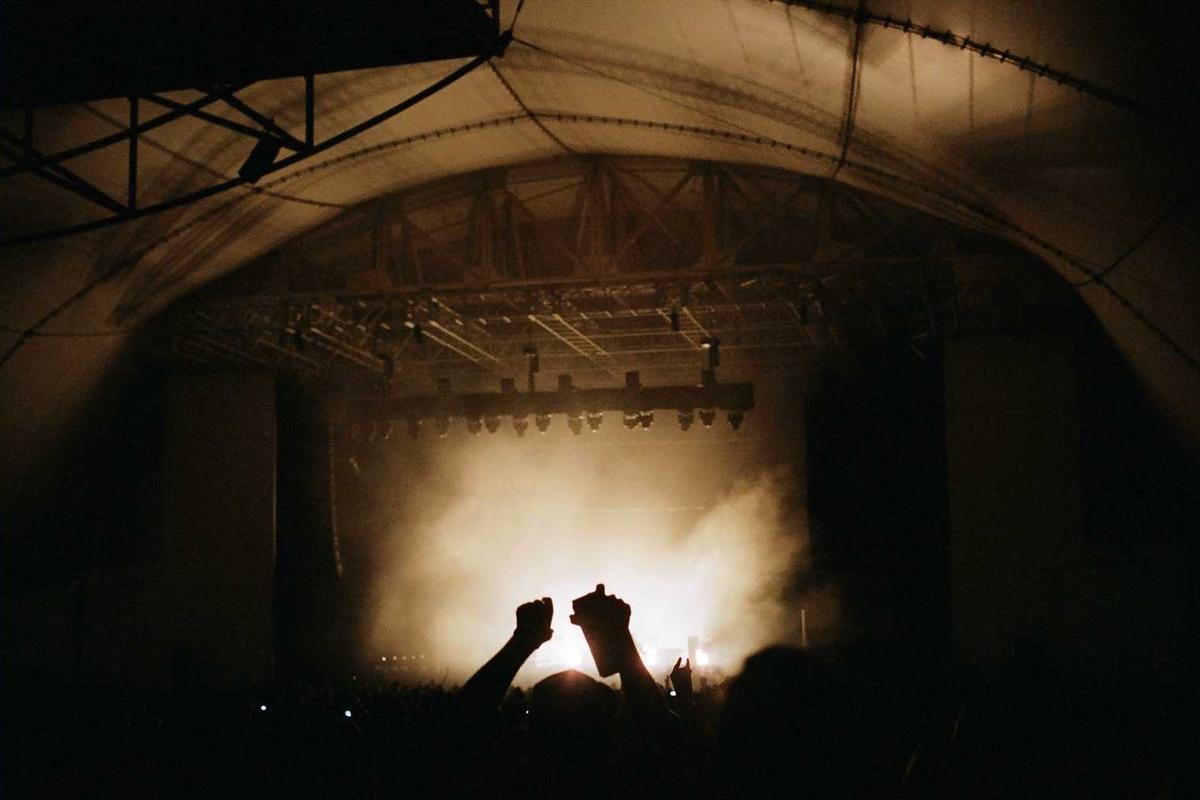
The implosion was swift. Within minutes of Trump’s directive, the festival’s main stage was dismantled, vendors packed their stalls, and the audience, which had gathered from across the country, dispersed in confusion. The event’s organisers, a coalition of conservative groups, released a terse statement: “We respect the President’s decision. The Freedom Festival is postponed indefinitely.”
At the heart of the collapse was a cascade of cancellations from UK performers. The comedian John Bishop, the rock band Elbow, and the actress Emma Thompson all pulled out, each releasing statements that pointed to the festival’s overt political messaging. “I cannot in good conscience perform at an event that claims to represent freedom while promoting division,” Thompson wrote on Instagram. The exodus followed a leaked internal memo suggesting the festival would feature speakers who had previously endorsed restrictions on voting access and women’s reproductive rights.
The British government, through a Foreign Office spokesperson, expressed concern but declined to intervene. “We respect the artistic decisions of UK citizens. The United Kingdom maintains a commitment to free expression,” the spokesperson said. However, the episode has reignited debates in Westminster about the UK’s cultural ties with the Trump-aligned wing of American politics.
For Trump, the cancellation is a rare admission of defeat. His post read: “The Freedom Festival was a beautiful idea, but the Radical Left has poisoned it. I am ordering it cancelled. We will do something bigger and better. Watch.” Yet, critics were quick to note that the president had himself headlined the event’s promotion, appearing in videos endorsing it as “the greatest show of American spirit ever.”
The festival’s financial backers, including several PACs and a major conservative donor network, are now facing losses in excess of $10 million. Refunds for the 50,000 tickets sold have not been promised, and the future of the organising committee is uncertain. “This was a debacle,” said Dr. Amelia Grant, a political scientist at Georgetown University. “It shows that even within the president’s base, there is a limit to what can be sold under the banner of freedom.”
From a broader perspective, this incident reflects a growing global realignment of cultural forces. The UK’s entertainment industry, already wary of associating with Trump’s brand of politics, is increasingly aligning with the Biden administration’s emphasis on international collaboration. The Freedom Festival’s failure may accelerate this trend, leading to a more insulated American cultural sphere.
The environmental organisers of the event, who had planned extensive use of fossil fuels for power and transport, will now avoid scrutiny. The carbon footprint of the cancelled festival is estimated to have been 2,000 metric tons, had it proceeded. In an era of climate crisis, the cancellation may represent a small victory for those pushing for lower-impact events.
As the dust settles, the question remains: what does this say about freedom itself? The festival was meant to be a celebration of liberty, but it ended as a monument to its co-option by political forces. In the end, the only truly free action was the choice of entertainers to walk away, and of the President to pull the plug. The rest, as is often the case, is just noise in the data stream of history.