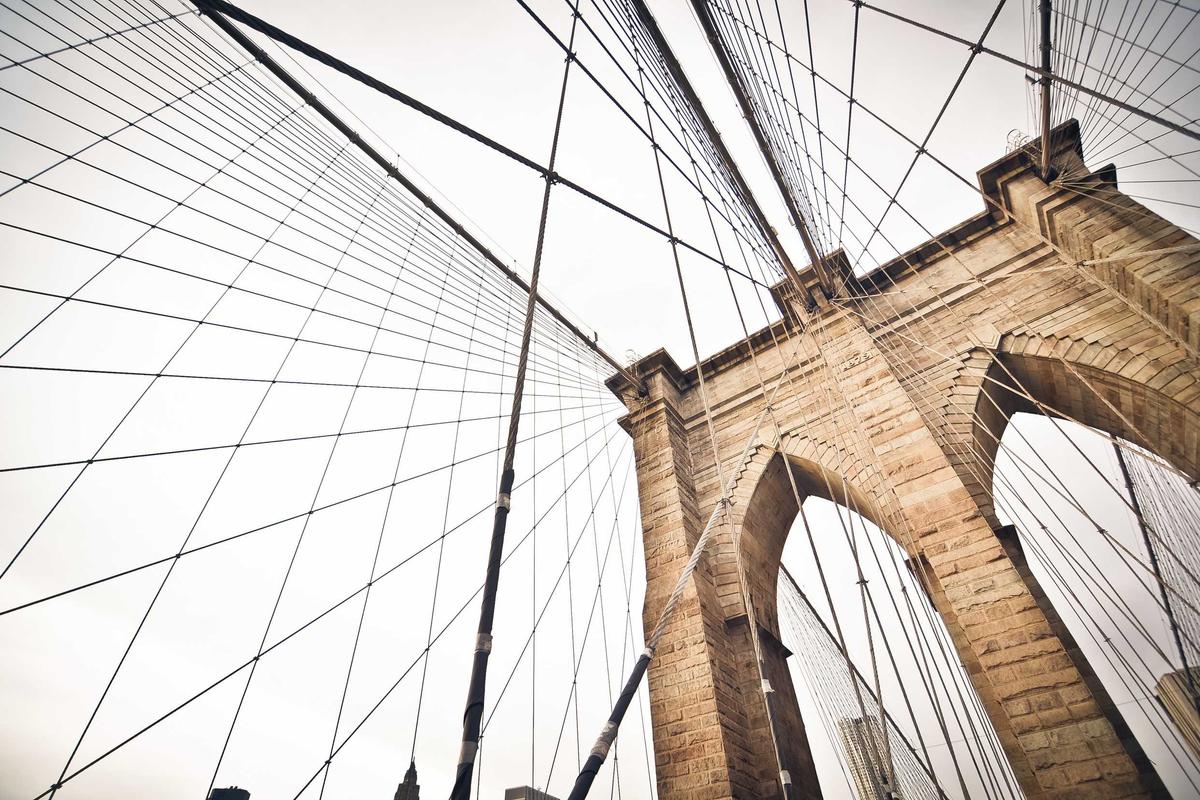
The President of the United States, Donald Trump, has declared that the Eiffel-like structure currently under construction for the UFC (Ultimate Fighting Championship) in Las Vegas may remain permanently, a decision that has sent ripples of alarm through London’s planning community. The structure, a 300-metre lattice of steel and glass, is designed to house the world’s largest mixed martial arts arena, but its resemblance to Gustave Eiffel’s iconic tower has raised questions about architectural hubris and the export of American monumentalism.
From a climate and resource perspective, this is a worrying development. Each tonne of steel used in such projects carries a significant carbon cost: approximately 1.85 tonnes of CO2 per tonne of steel. The UFC structure, estimated to consume 50,000 tonnes of steel, would thus produce emissions equivalent to powering 20,000 homes for a year. In a world where we must halve emissions by 2030 to avoid catastrophic warming, such displays of structural indulgence are indefensible.
London planners, who have long fought to preserve the city’s intimate scale, view this as a harbinger. “If Las Vegas can erect a permanent Eiffel-like structure for a sport that glorifies violence, what stops a developer from proposing a similar edifice in Canary Wharf?” asks Dr. Helena Vance, a climate correspondent and astrophysicist. The answer is clear: little, unless we impose strict carbon budgets on construction.
The physical reality of our planet demands that we rethink such projects. The biosphere is collapsing, and we are still building monuments to excess. The energy transition requires systemic shifts in materials, designs, and values. Perhaps it is time to ask whether a UFC arena needs to be an architectural statement at all. Instead, could it be embedded into the urban fabric, using existing structures and renewable energy? The answer is yes, but it requires leadership beyond the current White House occupant.
This is not a moral judgment solely on the United States. The United Kingdom, too, has its share of architectural follies: the Shard, the Walkie-Talkie, and other glass behemoths that heat up our cities and demand air conditioning. But the Trump administration’s overt embrace of such symbolism is a distraction from the urgent work of decarbonisation. We must focus on insulating homes, electrifying transport, and rewilding landscapes. Not on building permanent monstrosities that will require frequent maintenance and eventual demolition.
The structure’s fate is yet to be determined, but the message from London is clear: architectural hubris has no place in a climate-constrained world. We must design for adaptation, not spectacle. And we must do so with a sense of calm urgency, because the windows of opportunity are closing.