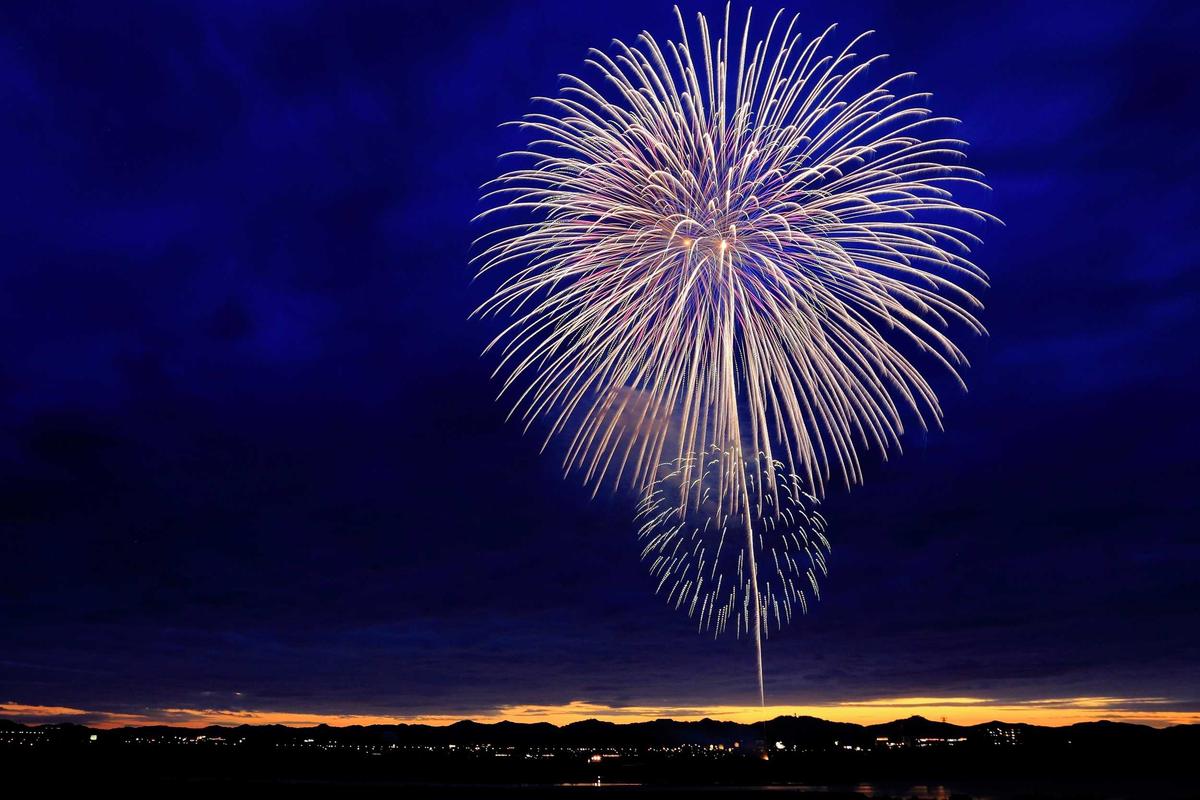
A developing incident. The President of the United States, Donald Trump, has reportedly threatened to disrupt a 'Freedom Concert' organised by British-led NATO allies. This is not a mere diplomatic gaffe. It is a signal, and signals in the current geopolitical climate are always layered with intent. The venue, the timing, the target: all are threat vectors that demand analysis.
First, the concert itself. A celebration of liberal democratic values, broadcast across the alliance. To 'crash' it is not to attend spontaneously. It is to impose disruption, to force a recalibration of the script. The British, as lead organisers, will already be running contingency protocols. They know that a US president operating outside diplomatic norms is a destabilising force. Their caution is not political timidity. It is the professional wariness of an ally that has seen intelligence channels weaponised and communiqués leaked.
Second, the operational implications. If this threat is real, it forces a defensive posture on the NATO side. Security perimeters, media management, and even the sequencing of speeches will now be treated as hostile terrain. The British intelligence community, GCHQ and MI5, will be assessing whether this is a bluff or a prelude to a more aggressive posture. They will be checking chatter, monitoring Trump's inner circle, and preparing for a kinetic information operation. This is not hyperbole. The line between a political stunt and a hybrid warfare tactic has been erased.
Third, the strategic pivot. Why now? The alliance is already fractured over burden-sharing and strategic autonomy. Trump's threat to 'crash' a cultural event is a direct assault on the soft power that NATO relies on to maintain cohesion. It is a move designed to test the British nerve, to see if they will push back or fold. If they fold, the message is sent: Washington can dictate terms even in the symbolic realm. If they resist, the stage is set for a public spat that weakens the alliance's image of unity.
Let us examine the hardware and logistics. The concert will have a robust communications node. A presidential intervention, even a verbal one, would need to be carried through social media, press releases, and perhaps a surprise appearance. The US Secret Service and diplomatic protocols would normally prevent such a breach, but if the order comes from the top, those barriers can be dismantled. The British should already be drafting a 'no-show' protocol, a decoy schedule, and a rapid-rebuttal media package.
Intelligence failures are possible. The British may have underestimated the extent to which Trump sees these events as adversarial. They may have assumed that cultural diplomacy is a safe zone. It is not. Every public gathering is now a battlespace in the information war.
Finally, the chess move. Hostile state actors, notably Russia, will be watching this with keen interest. A visible rift between the US and its key European ally is a strategic victory for Moscow. They will amplify the discord, feed disinformation into the fringes of the narrative, and exploit any security lapse that emerges from the chaos.
This is not a crisis yet. But it is a pre-crisis. The British-led NATO allies must now treat the Freedom Concert as a defended asset, not a celebration. The threat is not merely to stage-crash. It is to the credibility of the alliance itself. They are right to watch with caution. They should be watching with their fingers on the operational alert switch.