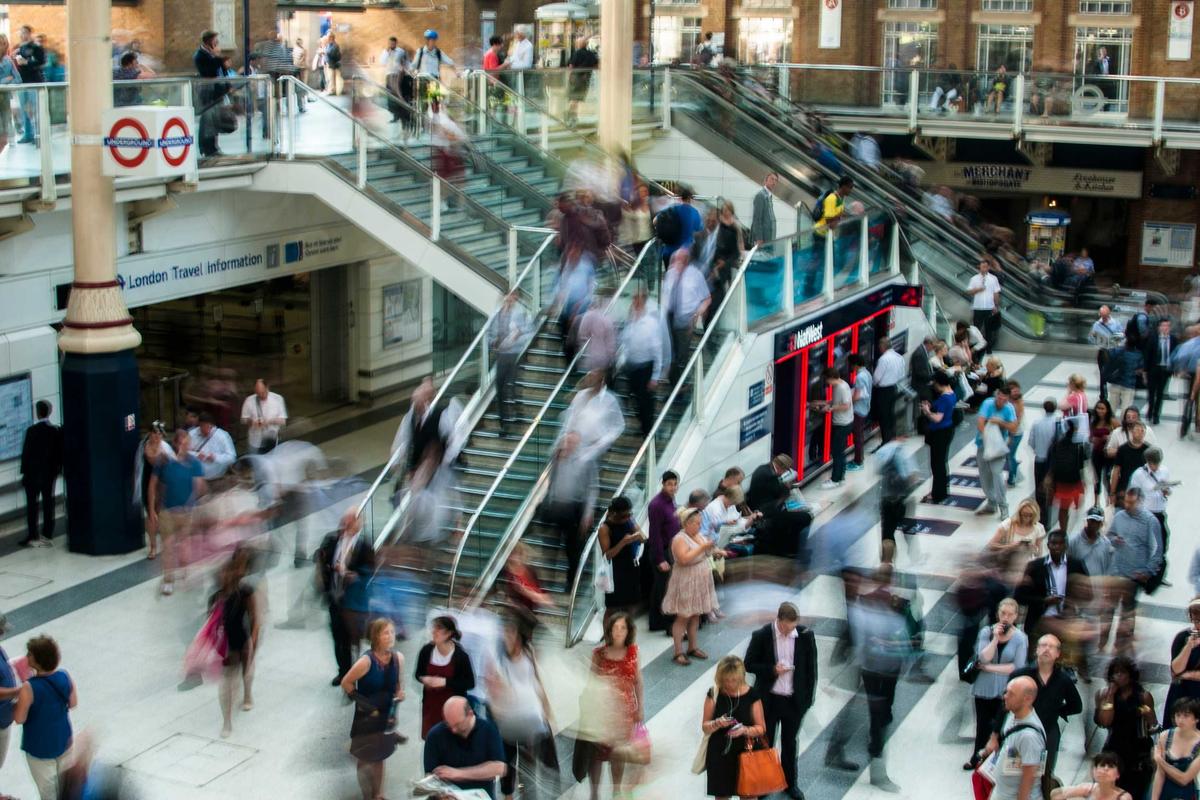
The news that Donald Trump plans a visit to India, coupled with a perceived warming between Narendra Modi and the West, signals more than diplomatic pleasantries. For those of us watching the cultural and economic currents, this is a moment where the human cost and opportunity of global realignment come into sharp focus. On the streets of London's Little India, shopkeepers and entrepreneurs have been feeling the chill of uncertain trade winds.
The prospect of a US-India axis, with Britain potentially playing a pivotal role, offers a glimmer of hope. But let's not get carried away. Trump's visit is a spectacle, a reality TV moment in geopolitics.
Yet beneath the photo ops and handshakes lies a realignment of class dynamics. The Indian middle class, long courted by British luxury brands and universities, now looks to America. Modi's thaw is pragmatic: he needs US investment and technology.
For Britain, this could be a chance to broker a three-way trade deal, leveraging its historical ties and soft power. But the cultural shift is palpable. The days of tea and empire are over; now it's about data, services, and supply chains.
In curry houses and boardrooms, people are watching. The human element is the anxiety of small business owners who have bet on British-Indian ties. They see this as a pivot point.
If Britain plays its cards right, it might not just survive the post-Brexit landscape but thrive. But if it fumbles, the cost will be borne by those who can least afford it. This is not just diplomacy; it's the stuff of everyday lives.