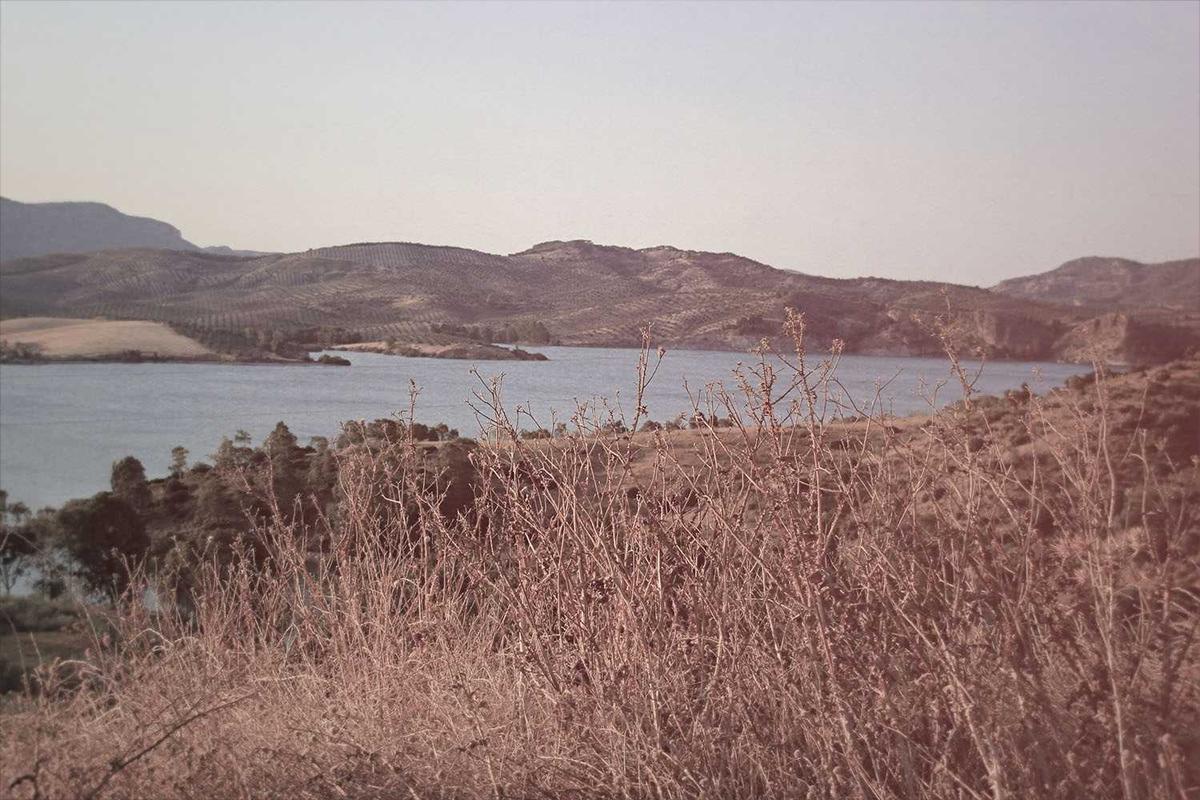
The British energy sector is recalibrating its international investments as protests in Albania intensify against a luxury resort project backed by Jared Kushner's investment firm. Demonstrators in the southern coastal town of Dhërmi have clashed with police over plans to develop a 1,200-hectare site, including high-end hotels and a marina, which critics argue threatens protected ecosystems and local livelihoods. The project, led by Kushner's Affinity Partners in collaboration with Albanian developers, has drawn particular ire for its potential environmental impact on the Albanian Riviera, a biodiversity hotspot.
For UK energy companies, the timing is critical. Several British firms, including BP and SSE, have been exploring renewable energy partnerships in Albania, drawn by its hydroelectric and solar potential. The political instability sparked by the resort project threatens to undermine these investments, with Albanian Prime Minister Edi Rama facing calls to halt construction pending an environmental review. Sources within the UK Department for Energy Security and Net Zero confirm that officials are monitoring the situation closely, with some companies now pivoting towards the Gulf states as an alternative investment destination.
The pivot reflects a broader trend in British energy strategy. Gulf nations, particularly Saudi Arabia and the UAE, have aggressively courted UK investment in their renewable energy sectors, offering streamlined regulatory processes and government-backed financing. Meanwhile, Albania's allure as a low-cost, high-potential market has waned amid mounting civil unrest. The protests in Dhërmi, now in their third week, have drawn comparisons to previous conflicts over energy projects in the Balkans, where community rights versus development have clashed.
Environmental groups have amplified the protests, citing the resort's potential to damage marine habitats and water resources. The Albanian Ornithological Society has documented over 200 bird species in the area, including migratory routes for endangered species. Critics point to similar projects in Montenegro and Croatia that led to irreversible coastline degradation. The British Embassy in Tirana has issued statements encouraging dialogue, but investors remain wary.
The economic stakes are high. The UK is Albania's fifth-largest trading partner, with trade valued at £180 million in 2023. Energy investments alone account for £40 million. A prolonged crisis could stall Albania's transition to renewables, forcing UK firms to redirect capital to the Gulf's expanding green hydrogen and solar markets. BP, for example, recently signed a memorandum of understanding with Saudi Arabia's ACWA Power for a $2 billion green hydrogen facility, while SSE has partnered with Abu Dhabi's Masdar on offshore wind projects in the North Sea.
For the British energy sector, this is a sobering lesson in geopolitical risk. Albania's protests underscore the volatility of emerging markets, where local resistance can dismantle carefully laid plans. The Gulf, with its authoritarian stability and state-controlled land use, offers predictability but raises ethical questions about human rights and climate impact. Dr. Helena Vance, Science and Climate Correspondent, notes: "The biosphere does not recognise borders. Whether in the Gulf or the Balkans, any energy transition must account for ecological integrity. The protests in Albania are a warning: communities will defend their ecosystems."
As the situation develops, UK energy giants face a choice: double down on Albanian renewables with political risk, or embrace Gulf partnerships that sidestep democratic scrutiny. The coming weeks will determine whether British investment shifts permanently eastward.