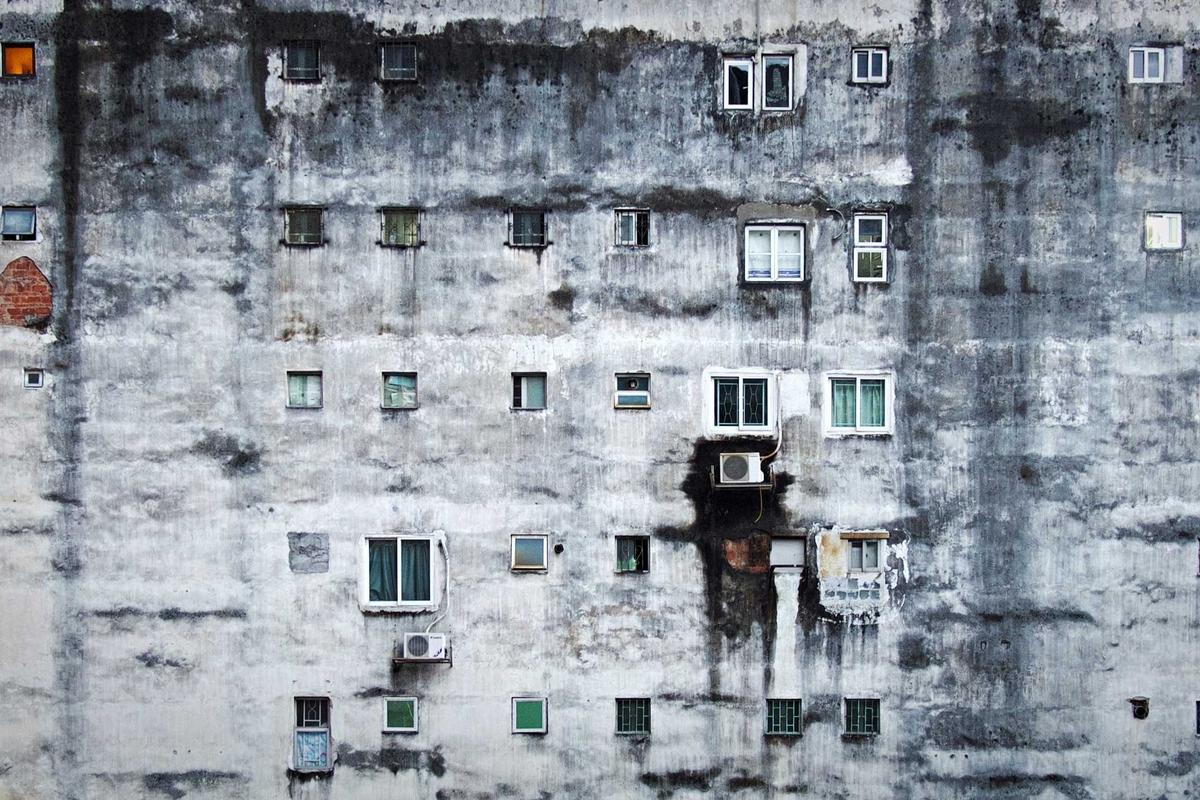
The mercury has soared past 30 degrees Celsius in large swathes of Britain, but the real heat is being felt by millions who cannot afford to cool their homes. The latest heatwave has laid bare a new dimension of inequality: the cooling gap. While the wealthy retreat into air-conditioned comfort, low-income families and renters are left sweltering in poorly insulated housing stock that turns into greenhouses when temperatures spike.
Official data shows that fewer than 5% of UK homes have full air conditioning, one of the lowest rates in the developed world. But the divide is stark. In affluent postcodes of London and the South East, installation of cooling units has surged by 30% in the past year, according to the Heating and Ventilating Contractors Association. Meanwhile, in the North and Midlands, local councils report a spike in calls from elderly residents and families with young children struggling to cope with the heat.
Helen Griffiths, a single mother from Barnsley, told me her two-bedroom flat on the seventh floor of a 1960s tower block has become unbearable. “I’ve got a fan from the pound shop, but it just blows hot air. The kids can’t sleep, they’re irritable. Last week, my youngest had to go to A&E with heat exhaustion,” she said. Her rent, paid to a private landlord, eats up more than half her income as a care worker. Air conditioning is a luxury she cannot even contemplate.
The problem is compounded by the UK’s housing stock. The majority of homes were built before the 1980s, with little thought for overheating. Modern building regulations focus on energy efficiency for winter warmth, often sealing homes so tightly they become ovens in summer. The Chartered Institute of Building Services Engineers warns that without intervention, heat-related deaths could triple by 2050.
The government’s response has been piecemeal. The Department for Levelling Up, Housing and Communities says it is “reviewing” building regulations for overheating, but campaigners argue that is too slow. The TUC has called for a national programme to improve insulation and install passive cooling measures, such as external shutters and reflective roofs, especially in social housing and rental properties.
Meanwhile, the private sector is racing to meet demand at a price. John Lewis reported a 400% increase in sales of portable air conditioning units in the first week of the heatwave. But these units cost from £200 to £800, with running costs adding up to £50 per week. For families already struggling with the cost of living crisis, that is a bill they cannot pay.
The health implications are serious. The NHS is braced for a surge in admissions, with heat exhaustion, dehydration, and heart attacks among the most common issues. Older people, those on low incomes, and those with existing health conditions are most at risk. Dr. Adeola Adebayo, a GP in Leeds, said: “This is a health inequality crisis. People are dying because they cannot afford to keep cool. We need urgent action on housing standards and a public health campaign to protect the most vulnerable.”
Unions are also raising the alarm for workers. The TUC warns that millions of employees, especially in warehouses, factories, and delivery vans, are exposed to dangerous temperatures. Current law only sets a minimum working temperature, no maximum. Labour has pledged to introduce a maximum workplace temperature if elected, but for now, bosses are not legally obliged to take action when the heat is unbearable.
Climate scientists predict that such heatwaves will become more frequent and intense. The Met Office has warned that 40-degree days could become the norm by 2050. Without major investment in cooling infrastructure, the divide will only widen. As one community organiser in Manchester put it: “We are building two Britains. One with cool air, and one that sweats.”
The government must recognise that cooling is not a luxury, it is a necessity. Until policy catches up with the reality of a heating planet, the poorest will continue to bear the brunt of the heat.