The United Kingdom has issued a stark warning that any military confrontation between Iran and the United States in the Persian Gulf risks a catastrophic escalation across the Middle East, as London confirms the deployment of additional naval assets to the region. The statement, delivered by the Foreign Office this morning, comes amid rising tensions following a series of skirmishes involving Iranian fast-attack craft and US destroyers in the Strait of Hormuz.
Dr. Helena Vance, Science and Climate Correspondent, analyses the geopolitical thermodynamics at play. The Gulf region functions as a pressure cooker of energy interdependence and sectarian instability. The Strait of Hormuz, a 33-kilometre-wide choke point, carries about 21% of the world's petroleum liquids. Any disruption here would send shockwaves through global energy markets, but the physical reality is more immediate. A naval engagement in these confined waters would involve anti-ship missiles, minefields, and swarming drone tactics. The kinetic energy released would not stay contained. A single burning tanker could block the channel for weeks. A retaliatory strike on desalination plants by Iran could collapse water supply for millions in Gulf states within days.
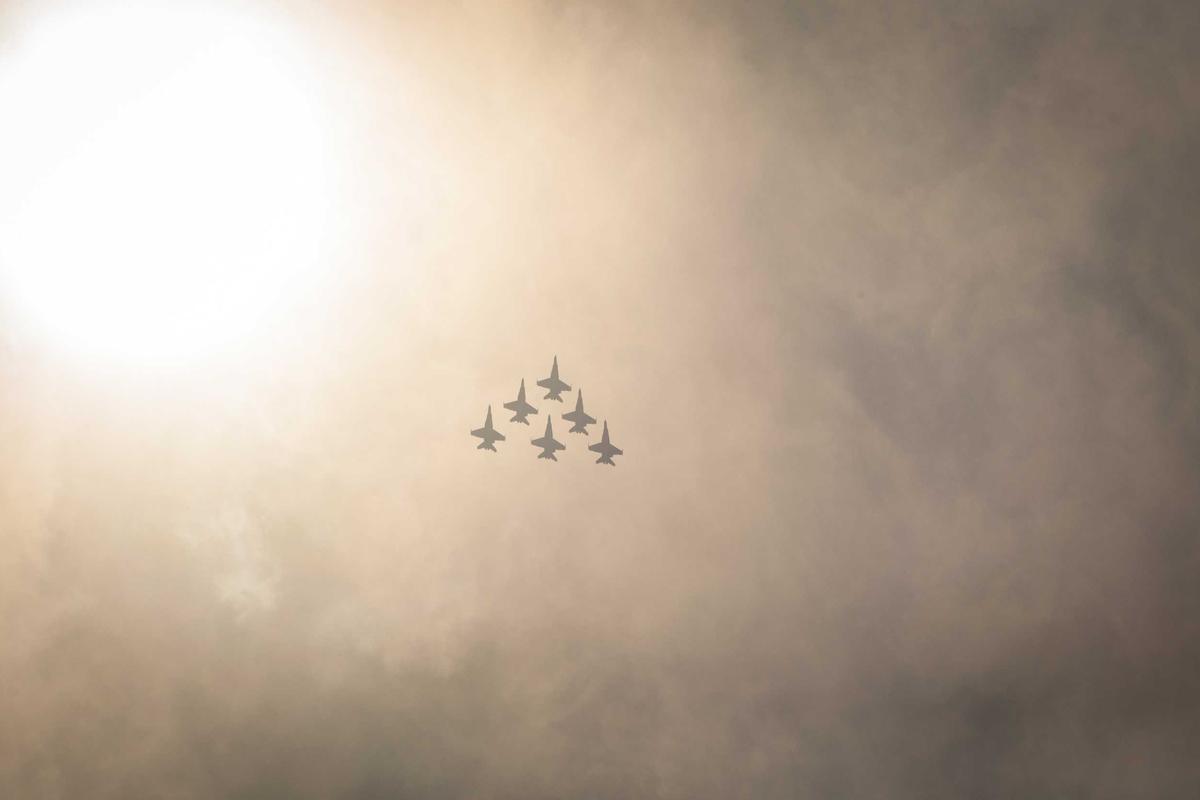
The UK's decision to pledge destroyers and mine-hunting vessels is framed as a defensive measure to protect commercial shipping. But the Royal Navy's presence also acts as a tripwire. Any attack on British forces would trigger Article 5 of the NATO treaty, pulling the entire alliance into a conflict that no party has the capacity to win cleanly. The US already has an aircraft carrier strike group in the Arabian Sea. Iran has invested heavily in asymmetrical capabilities: fast boats, sea mines, and ballistic missiles that can reach Israeli and Saudi infrastructure. The margin for miscalculation is shrinking below the threshold of conventional military strategy.
Climate scientists have long noted that the Persian Gulf is one of the most thermally stressed regions on Earth. Summer surface water temperatures exceed 35 degrees Celsius, reducing the efficiency of naval cooling systems and increasing the volatility of fuel stores. A prolonged conflict would also release massive amounts of carbon from burning oil infrastructure, accelerating the very warming that compounds regional instability. This is not a side effect. It is a feedback loop embedded in the physics of fossil fuel dependency.
The Foreign Secretary's language was measured but carried the weight of historical precedent. 'We urge all parties to step back from the brink,' he said. 'A full-scale conflict would be devastating for the region and the world.' The phrasing echoes the warnings issued before the Iraq War, but the stakes are higher now because the climate system has less capacity to absorb additional shocks. The UK's pledge of naval support may deter an immediate incident, but it does not address the underlying drivers: the security dilemma between Iran and the Gulf states, the unresolved nuclear issue, and the economic desperation caused by sanctions. These are longer-wave forces, but they build potential energy that can discharge without warning.
For the immediate future, expect a period of armed vigilance. Commercial shipping will reroute through the Bab el-Mandeb, adding days to transit times and increasing costs. Insurance premiums for Gulf cargoes have already spiked. The physical supply chains that underpin the global economy are being stress-tested in real time. What happens next depends on whether political will can match the precision required to avoid a cascade. The laws of physics do not negotiate.